Talks fail, U.S. orders Hormuz blockade as oil tops $100
Talks in Islamabad collapsed after 21 hours, and oil vaulted above $100 as Washington moved to block traffic through Iran’s ports and the Strait of Hormuz.
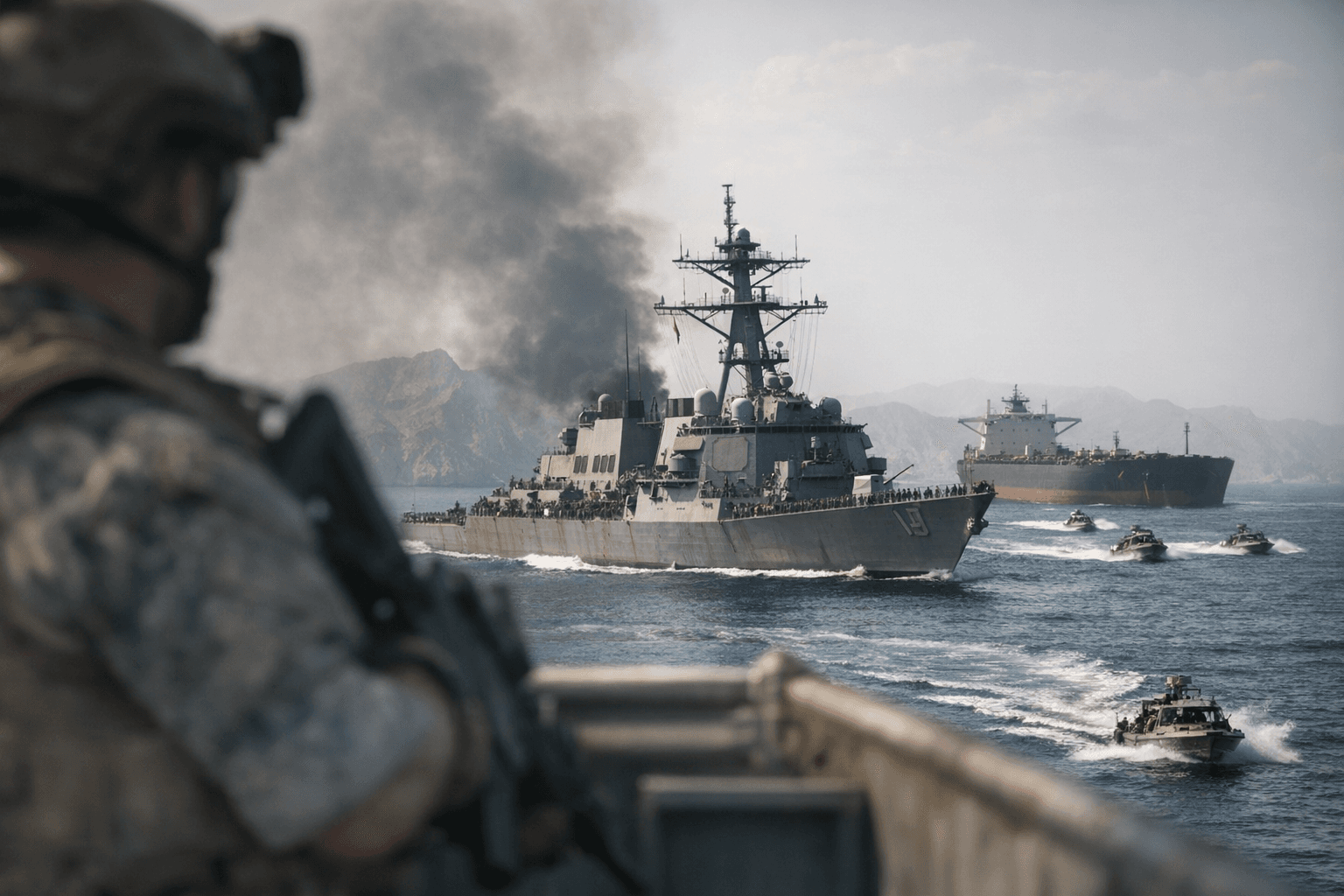
Oil surged past the $100 mark as weekend talks in Pakistan ended without an agreement and Washington moved to choke off Iranian maritime traffic. President Donald Trump said the U.S. Navy would begin blockading the Strait of Hormuz immediately, while U.S. Central Command said the broader blockade of vessels entering and leaving Iranian ports would begin Monday, April 13, 2026, at 10 a.m. ET.
Markets reacted fast. U.S. crude for May delivery climbed nearly 8% to about $104.20 a barrel, while Brent for June rose about 7% to about $101.86. The jump underscored how quickly traders repriced risk once the talks in Islamabad, which lasted about 21 hours, broke down. The prospect of a wider energy disruption sent buyers scrambling for contracts tied to the world’s main benchmark grades.
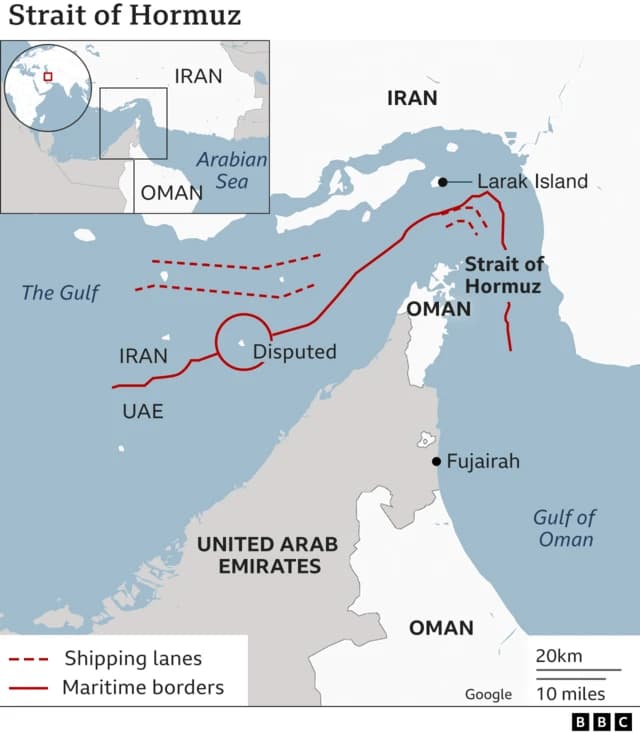
The Strait of Hormuz sits at the center of that alarm. Roughly 20% of global oil supplies passed through the waterway before the conflict, and it is also described as carrying about a fifth of the world’s oil and gas. Any sustained interruption there would immediately strain tanker routes, hit refinery margins and lift freight costs across Asia, Europe and the United States. Even a partial slowdown would tighten supply because the market had already been operating with tanker traffic sharply reduced by the war.
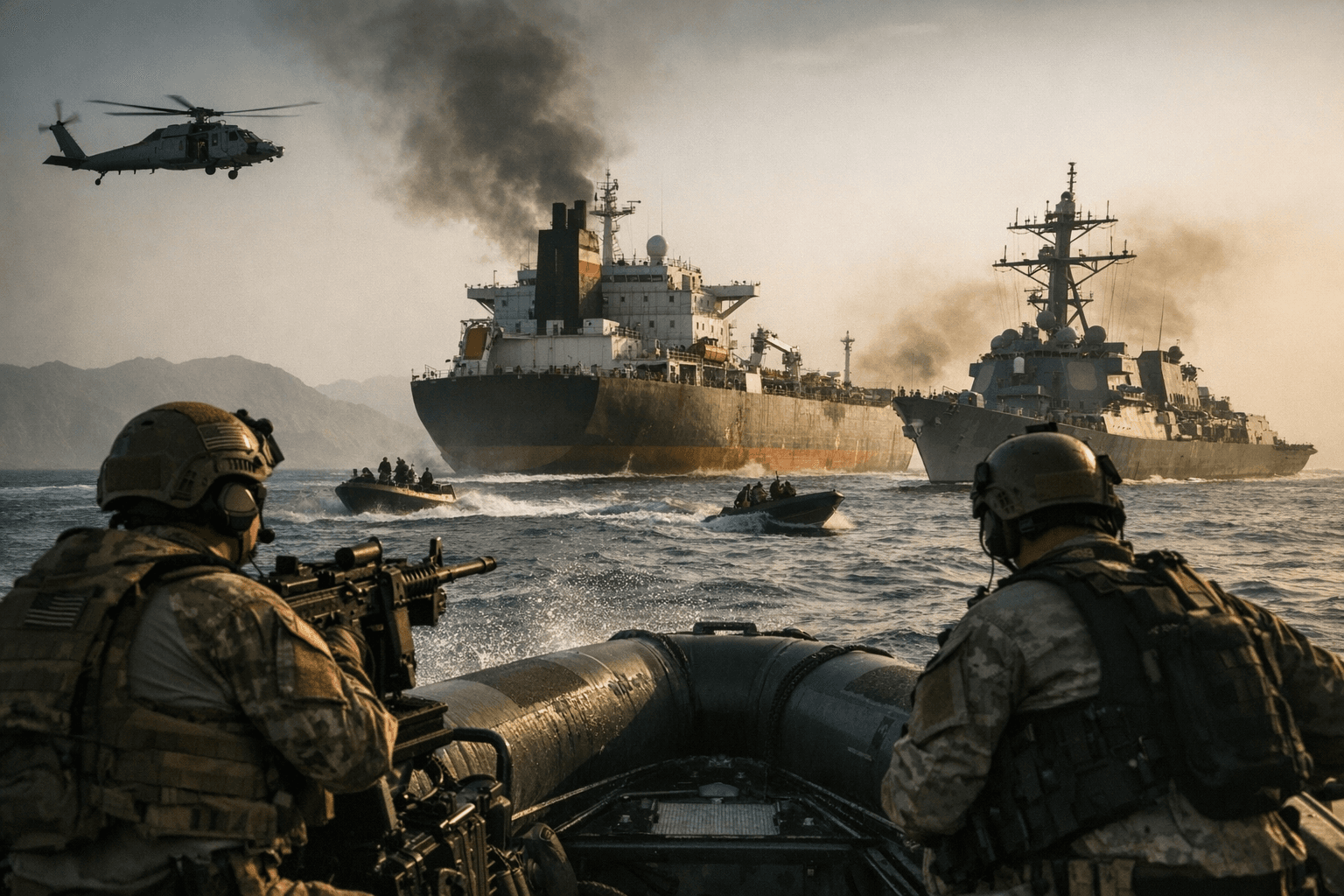
CENTCOM said the blockade would be enforced impartially against vessels of all nations entering or departing Iranian ports and coastal areas, while allowing some transit to and from non-Iranian ports. Trump also said the Navy would interdict ships in international waters that had paid Iran a toll to transit the strait, broadening the pressure on shipping firms that already face soaring insurance costs and longer rerouting times through the Gulf of Oman.
The economic fallout could show up quickly at the pump if the disruption lasts. Oil above $100 feeds directly into gasoline, diesel and jet fuel costs, and it can keep inflation elevated even if the shock is temporary. The collapse of the talks also came amid a fragile ceasefire, leaving open the risk that airstrikes on Iran could resume and deepen the supply shock. For now, the market is signaling that the biggest threat is not diplomatic theater but a tighter flow of crude from one of the world’s most critical chokepoints.
Know something we missed? Have a correction or additional information?
Submit a Tip