Tanker struck in Strait of Hormuz as Iran, US trade strikes
A projectile hit a tanker in Hormuz, damaging its bridge and jolting a deal that had briefly cooled oil markets and reopened shipping lanes.

A tanker was struck by a projectile in the Strait of Hormuz, damaging its bridge and sending a fresh shock through the narrow waterway that carries a major share of the world’s oil shipments. UKMTO said all crew were safe and no environmental damage had been reported, but the attack landed in the most sensitive shipping lane in the Gulf just as traders and insurers were beginning to reset their risk calculations.
The vessel was hit on June 27 off Oman’s Musandam Peninsula, according to the maritime warning. The Joint Maritime Information Center, which tracks threats to commercial shipping for the U.S.-led naval coalition, had only recently lowered Hormuz from severe to substantial. That downgrade captured a brief easing in tension after shipping traffic began recovering from months of disruption, but the attack showed how quickly confidence can evaporate when the strait is treated as a battleground.
The strike came as Washington and Tehran traded fire and accused each other of breaking the terms of an interim peace deal signed on June 15, ending a four-month-old war. The agreement had briefly pushed oil prices down because it opened the door to reopening Hormuz, but it left Iran’s nuclear program for later talks and did not settle the broader security fight. Iranian state television said Revolutionary Guard forces fired warning shots at vessels using routes not approved by Tehran, while the IRGC said it had hit U.S.-linked targets in response to American strikes. Bahrain, home to the U.S. Navy’s regional headquarters, said it had also come under an Iranian drone attack during the escalation.
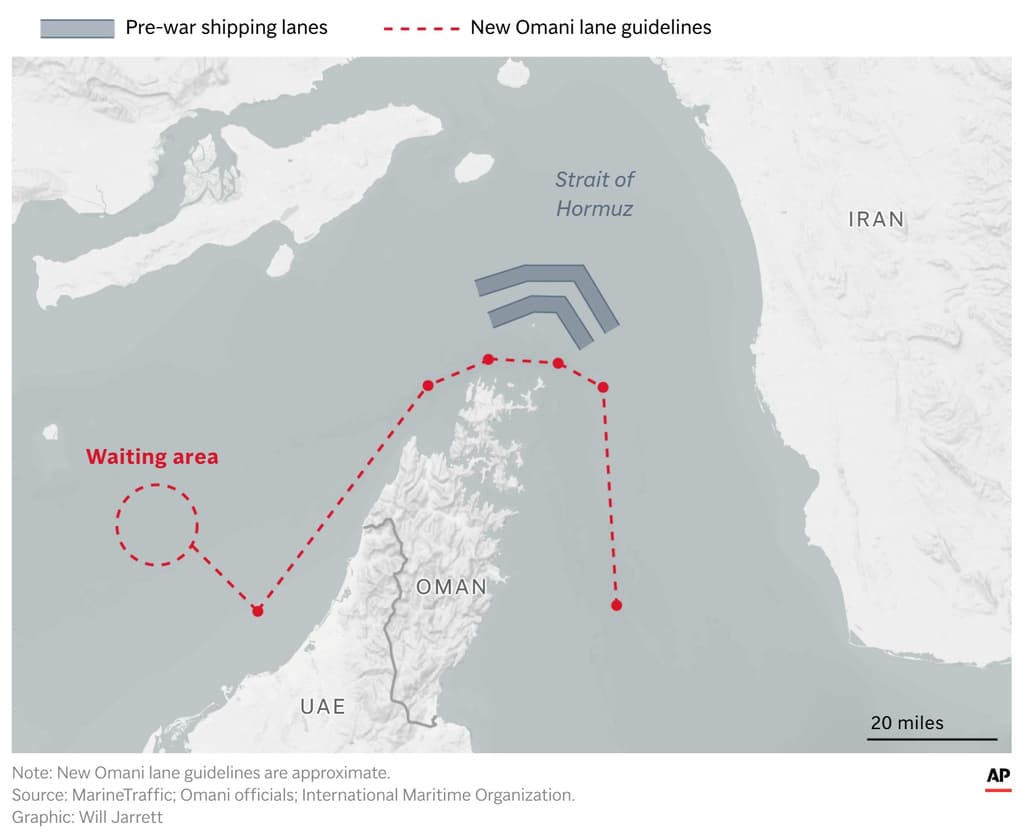
For shipping companies, the immediate issue is not only whether vessels can pass, but whether they can pass at a price that makes commercial sense. A renewed perception that Hormuz is unstable would drive up maritime insurance costs, increase the need for naval escorts, and slow the return of traffic that had only just begun to recover. Because the strait is the main outlet for crude from Kuwait, Bahrain and other Gulf producers, any sustained disruption would move quickly from freight markets to energy markets and then to U.S. gasoline prices.
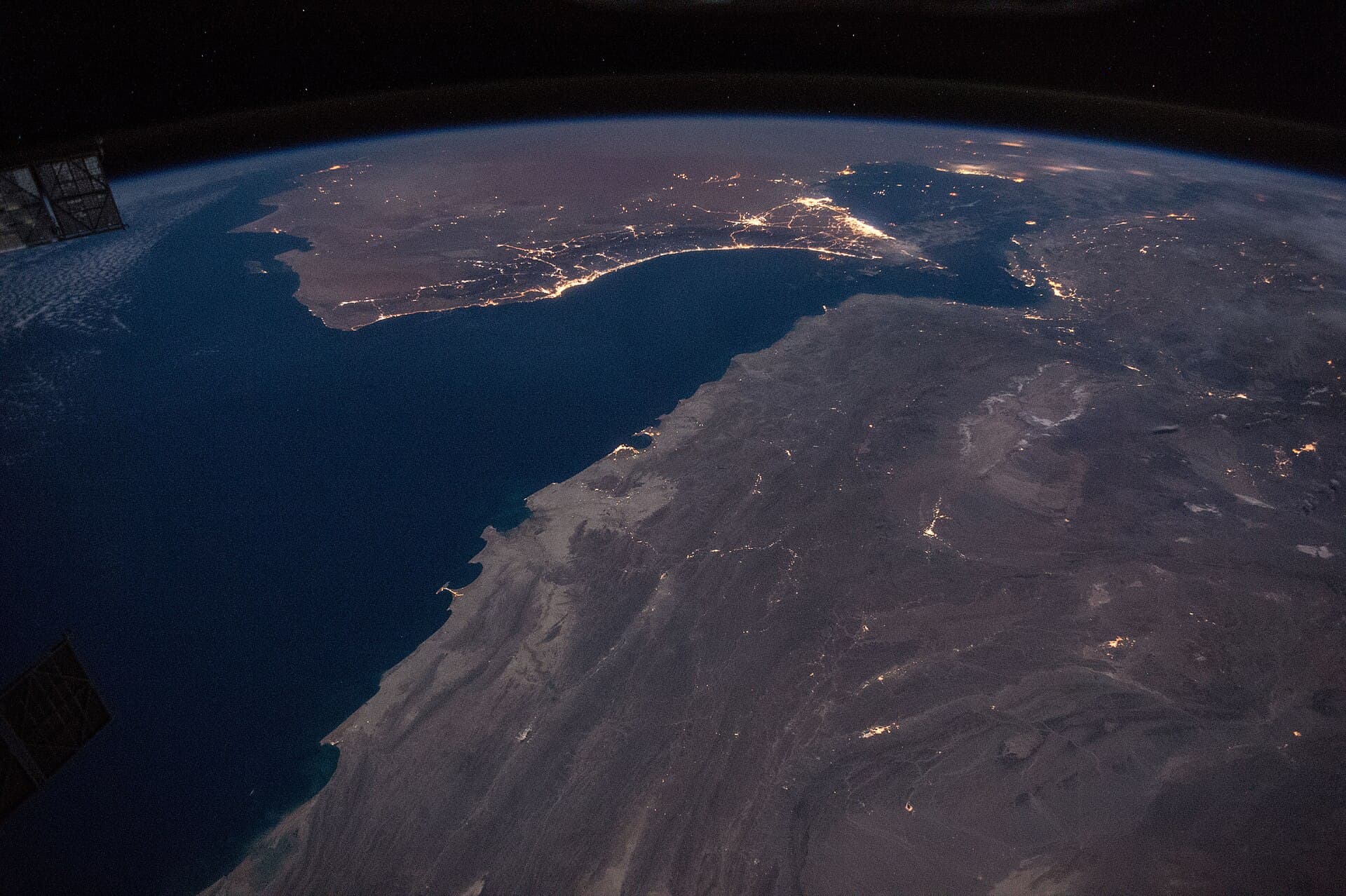
The political risk is just as stark. The June 15 deal had been cast as a preliminary step toward ending the war and reopening the strait, but the new attack suggests the ceasefire is already fraying under pressure from the same forces it was meant to contain. If Hormuz stays volatile, the cost will not be limited to tankers in the Gulf: it will be measured at the pump, in higher insurance bills, and in a wider sense that the region’s most important energy corridor remains one incident away from closure.
This article was produced by Prism’s automated news system from verified source data, official records, and press releases, then run through automated quality and moderation checks before publishing. The system is built and supervised by the people who set the standards it runs under. Read our full AI policy.
Did this article answer your question?


