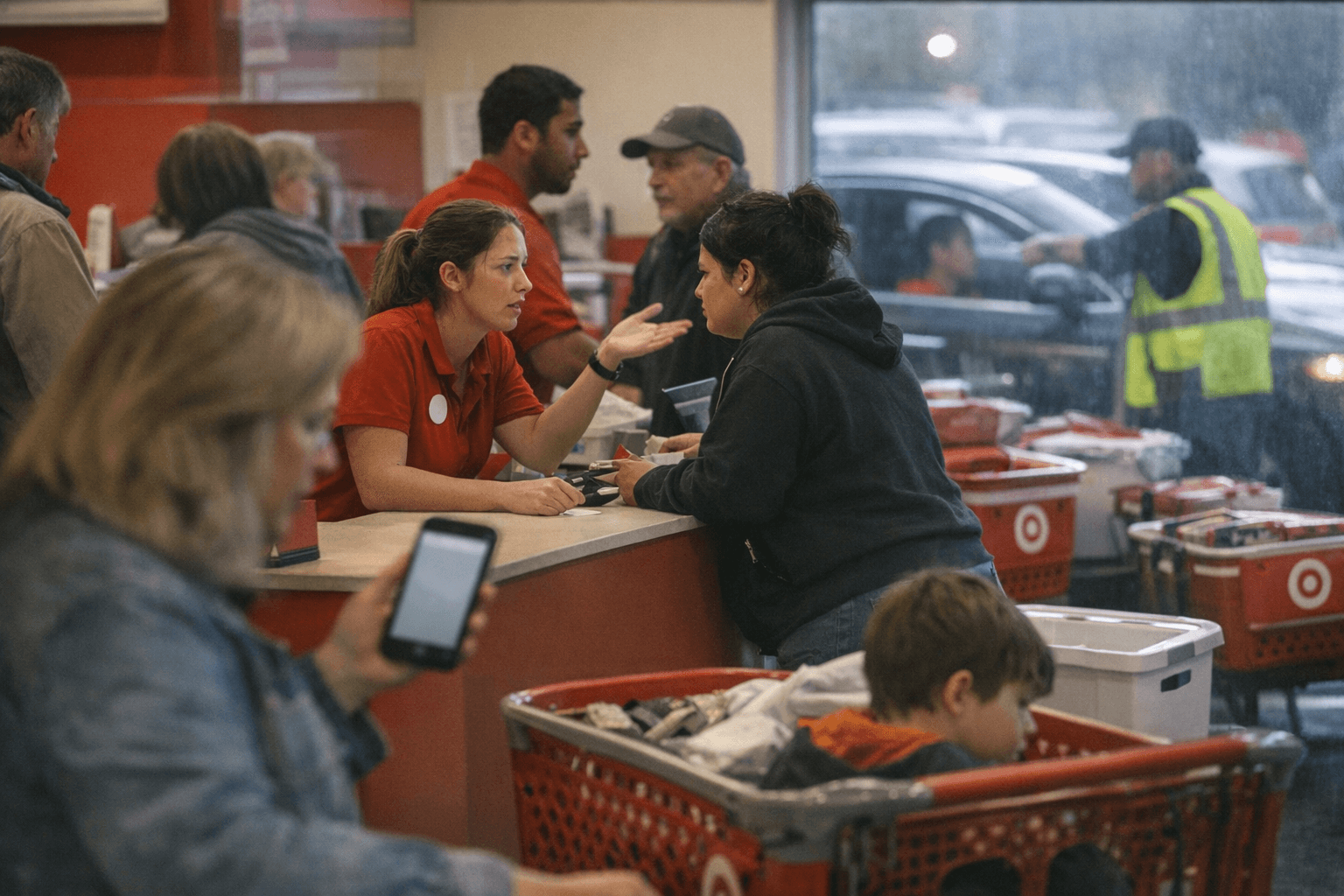
Target Details Safety Commitments, Training, and Store Design Investments
Target published a workplace health and safety outline that lays out the company approach to preventing incidents, ensuring compliance with laws and training team members and leaders. The resource matters because it clarifies expectations for frontline staff, explains store security and design measures, and signals how illness and public safety interactions are handled across stores and facilities.

Target’s Workplace Health and Safety page presents a comprehensive view of the company approach to reducing incidents, injuries and illness while meeting applicable laws and OSHA standards. The corporate resource emphasizes prevention, ongoing training for team members and leaders, and investments in store design and technology intended to mitigate risk. It also describes operational practices that affect daily work for employees across stores and facilities.
Key elements include dedicated asset protection team members in stores and a focus on leadership training in de escalation. The page links a Team Member Illness Policy to local public health guidance, and it lays out partnerships with local public safety agencies as well as a secure channel for law enforcement assistance requests. Target also summarizes exterior and interior safety design features, such as lighting and landscaping considerations, a no solicitation policy, and a range of in store security measures. Where local law permits open carry, the company states a preference that guests not bring firearms into stores.
For workers the document clarifies responsibilities and the expectations that accompany them. Frontline staff can expect specific training on how to reduce risk and how leaders will be prepared to manage difficult situations. The presence of store asset protection staff and formal links to law enforcement may change the dynamic of customer interactions and staff involvement in safety incidents. The illness policy tied to local guidance provides a framework for when team members should stay home, and it influences scheduling and coverage decisions for store leadership.

The page signals that Target is combining policy, training and physical investments to shape a safer workplace environment. For employees this means clearer standards and more formal support systems, but it also means new or reinforced duties around compliance, reporting and engagement with public safety partners. As retailers continue to contend with complex safety challenges, the outline offers a blueprint for how one large chain is aligning operational practices with legal obligations and community relationships.
Know something we missed? Have a correction or additional information?
Submit a Tip