Target Plans $5B FY26 Investment in AI, Merchandising, Remodels
Target will boost capital spending to about $5 billion in fiscal 2026 to fund AI, merchandising resets and an expanded remodel program, a move that will affect store schedules, training and corporate roles.

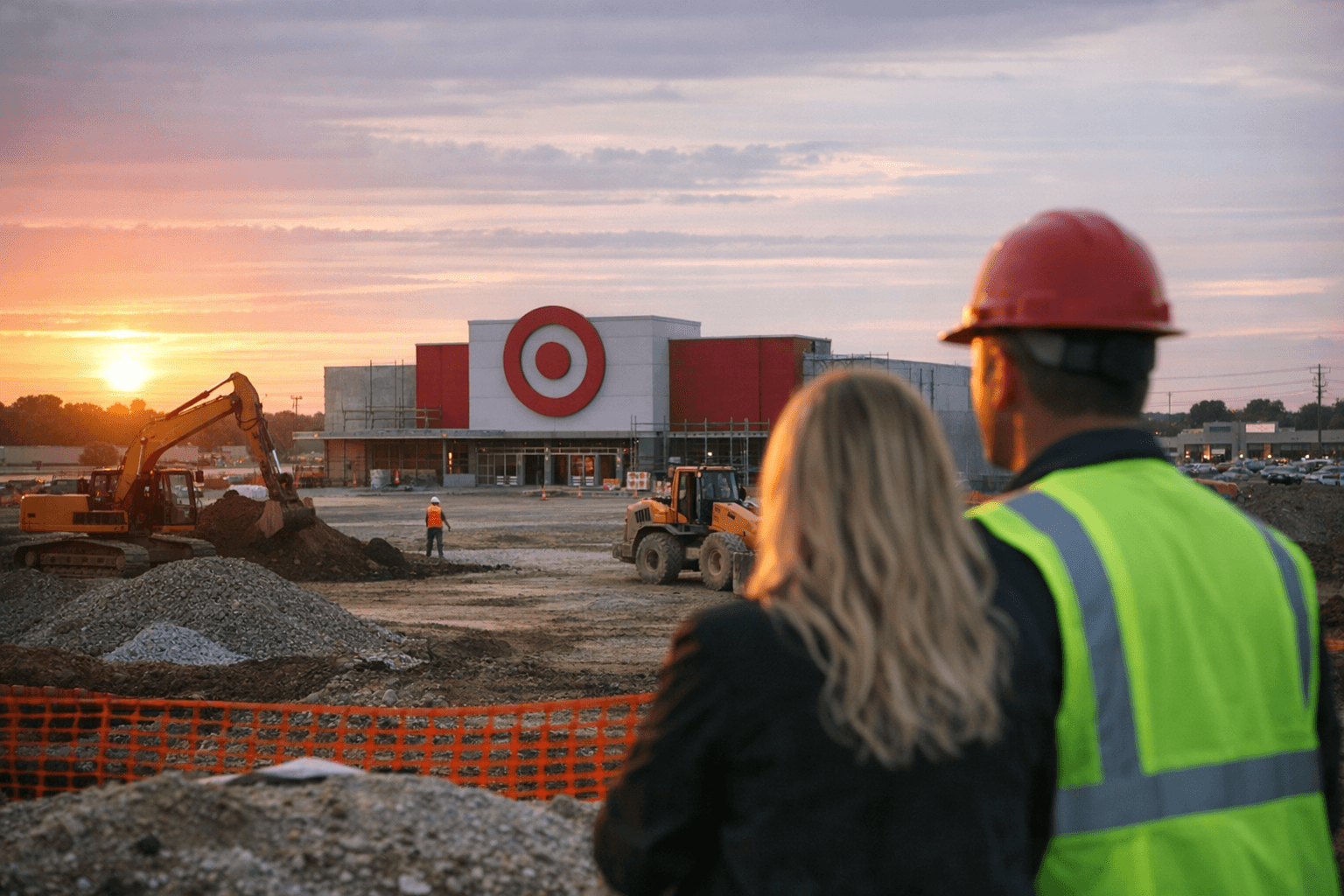
Target said it will increase capital expenditures to roughly $5 billion in fiscal 2026, up from about $4 billion, directing the extra spending to technology modernization, merchandising floor-pad resets and a wider store-remodel program. The plan centers on machine learning and AI investments intended to improve forecasting, in-stock rates and personalization, while substantial merchandising work is slated for Home, Baby, Beauty and other categories.
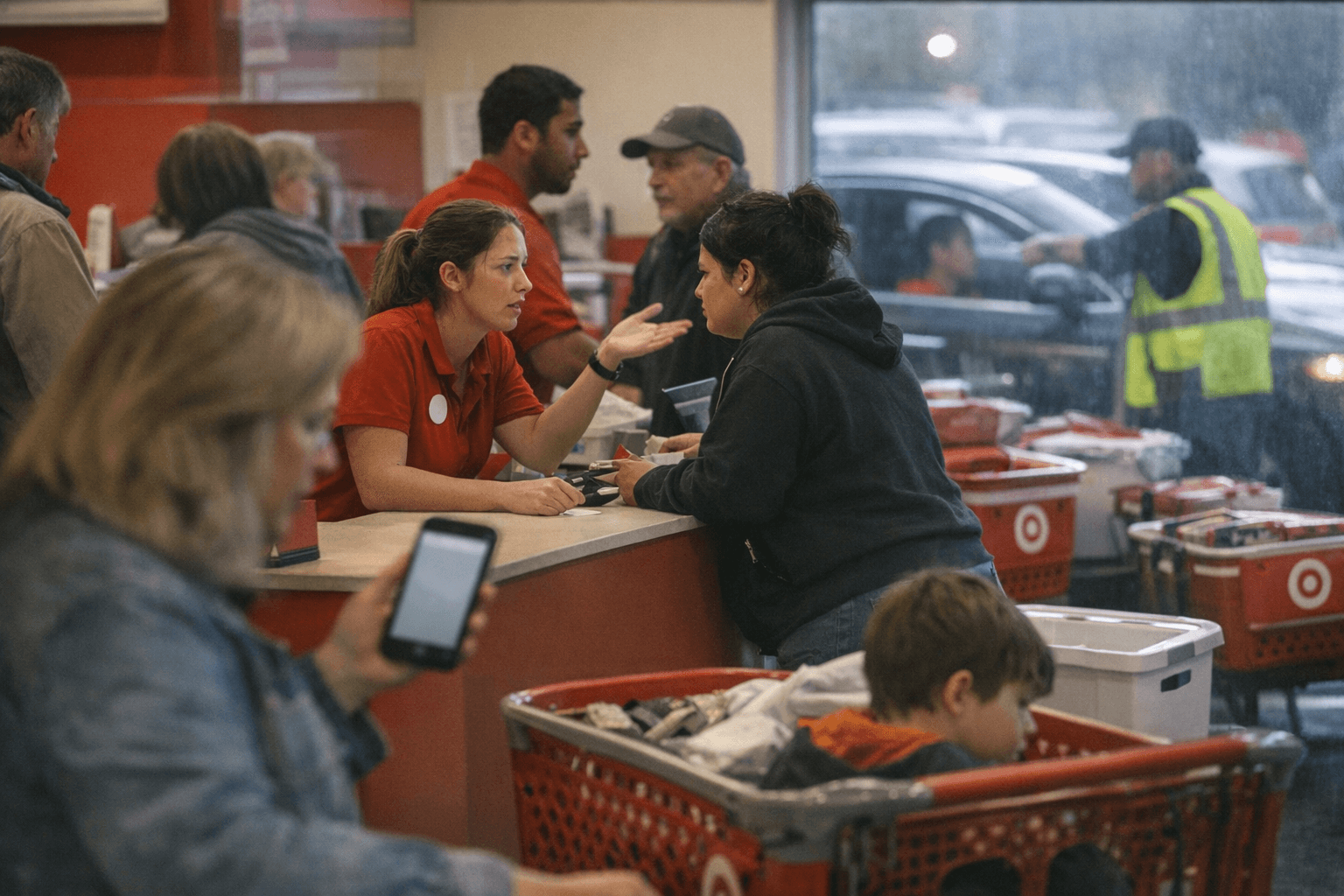
The company framed the uptick in capital spending as a bid to restore discretionary momentum by improving assortment and the in-store experience. For workers, that means two parallel shifts: more demand for hands-on execution at the store level, and more adoption of automated forecasting and fulfillment tools that will change how corporate and operations teams plan and measure performance. Store teams should expect heavier reset schedules and expanded remodel activity that require coordination with project crews, outside contractors and merchandising leads.
Target has been restructuring headquarters roles and had previously reduced staffing at its corporate offices. The FY26 spending push follows that realignment and signals sustained change as the retailer aligns its operating model with new systems and store investments. While some corporate work may remain centralized around technology and analytics, store teams and field leadership will carry more of the physical workload tied to floor-pad resets and remodel rollouts.
Operational impacts are likely to include shifts in scheduling, temporary backroom or sales-floor disruptions during resets and new training requirements. Machine learning-backed forecasting aims to tighten in-stock rates and reduce reactive labor tied to inventory shortfalls, but realizing those improvements will require training for planners, replenishment teams and store leaders on new tools and workflows. The remodel program will also create short-term openings for project coordinators, remodel specialists and seasonal labor to support installations and merchandising changes.
For employees, the rollout could mean new hiring priorities in tech and analytics, redeployment of merchandising talent into execution roles, and opportunities to upskill on AI-driven forecasting and personalization platforms. It also means continued uncertainty for corporate roles that were reshaped in recent restructurings as the company pivots to a more technology-forward operating model.
Target plans to implement these investments across FY26. Workers should watch for communicator updates from leadership about remodel schedules, training timelines and any changes to staffing or role descriptions. If the investments hit their marks, stores could see steadier assortment and a more tailored customer experience while team members adjust to new ways of working and new execution demands.
Know something we missed? Have a correction or additional information?
Submit a Tip