Target's 10-K details pay ranges, benefits and workforce strategy
Target's 10-K details pay ranges, benefits and human capital investments for team members. It provides a baseline for employees and advocates assessing company commitments.
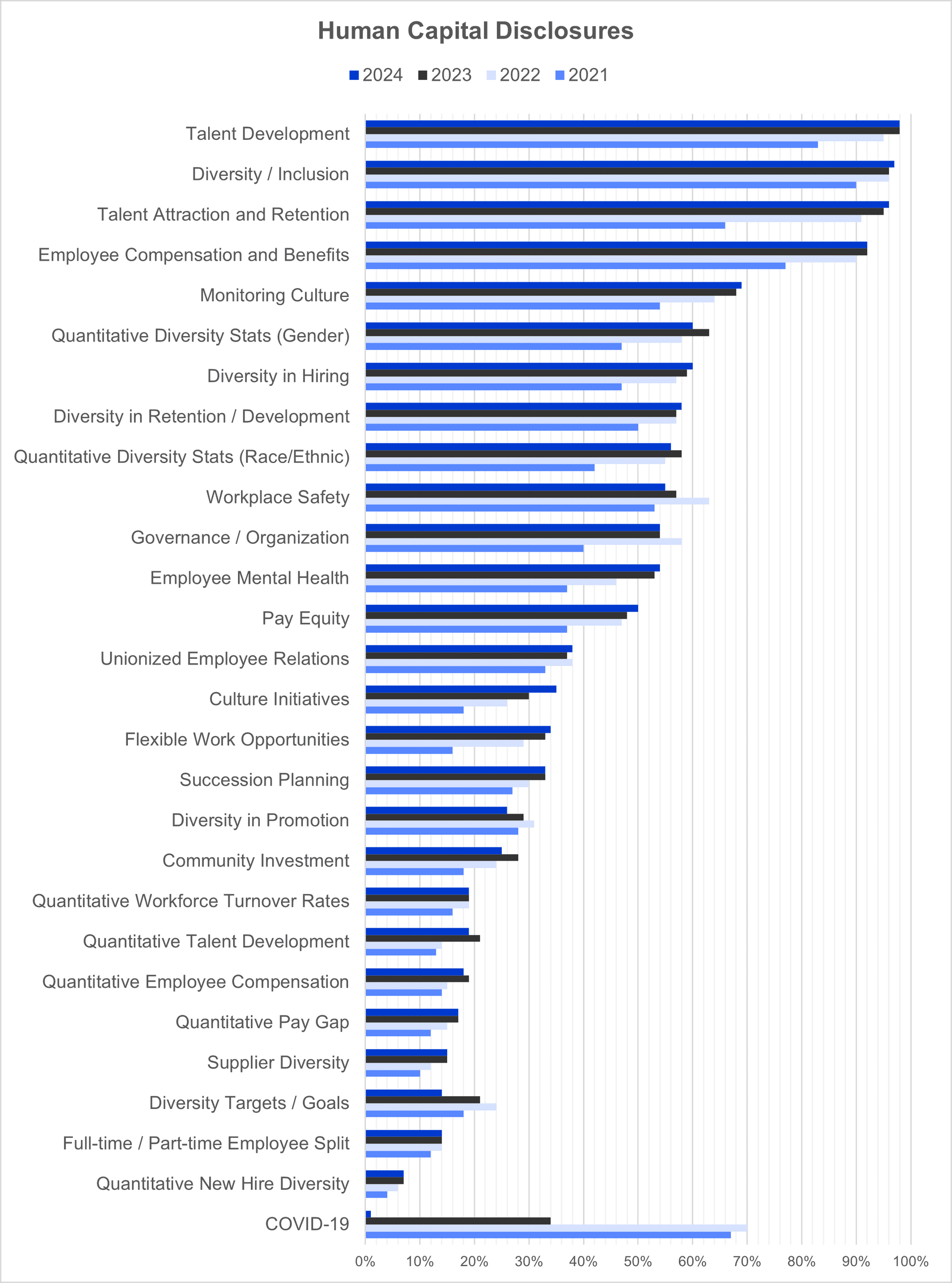
Target’s annual Form 10-K lays out the retailer’s formal disclosures on human capital management, presenting the company’s public account of pay, benefits and workforce strategy. The filing includes the company’s stated starting wage ranges for hourly employees and descriptions of retirement and health benefits, and it frames investments in compensation, training and other supports as part of a broader human capital approach.
Among the programs highlighted are tuition assistance, a 401(k) match, and earned wage access, along with other training and development initiatives. The filing also discusses workforce composition and how the company balances scale and labor strategy across stores and distribution centers. Because these statements are made in a regulatory document, they serve as a high-credibility baseline for facts about Target’s employee programs and public commitments.
For team members and store leaders, those disclosures matter in practical ways. Published wage ranges give workers a clear reference for starting pay expectations and a touchstone when comparing local offers or negotiating schedules. Descriptions of health and retirement benefits, tuition support and tools such as earned wage access help employees understand which programs they can enroll in and which costs the company is representing as part of compensation. For hourly workers who rely on predictable pay and access to benefits, the filing puts corporate-level promises on the record.
The document also matters beyond individual hires. Labor advocates and workplace researchers commonly use these formal disclosures to benchmark employer practices across the retail sector and to assess how companies allocate resources to recruiting, retention and training. Investors and analysts use the same language to evaluate human capital risk and how labor costs factor into long-term strategy.

That said, a regulatory filing is a snapshot of company policy and representation, not an exhaustive picture of how programs operate at the store level. Local pay bands, scheduling practices, eligibility windows for benefits and the implementation of tuition or earned wage access programs can vary in practice. Team members should pair the 10-K’s statements with direct conversations with human resources and store management to confirm eligibility and enrollment details.
The takeaway? The 10-K is a useful, credible starting point for understanding what Target says it offers. Our two cents? Use these disclosures to set expectations, ask informed questions at your store or HR meeting, and make a checklist of which benefits you qualify for and how they fit your budget and career plans.
Sources:
Know something we missed? Have a correction or additional information?
Submit a Tip