Taylor Swift and Travis Kelce inspire 2026’s chalance dating trend
Taylor Swift and Travis Kelce gave chalance dating a pop-culture face, but the real story is a measurable push for clearer, more emotionally direct first dates.
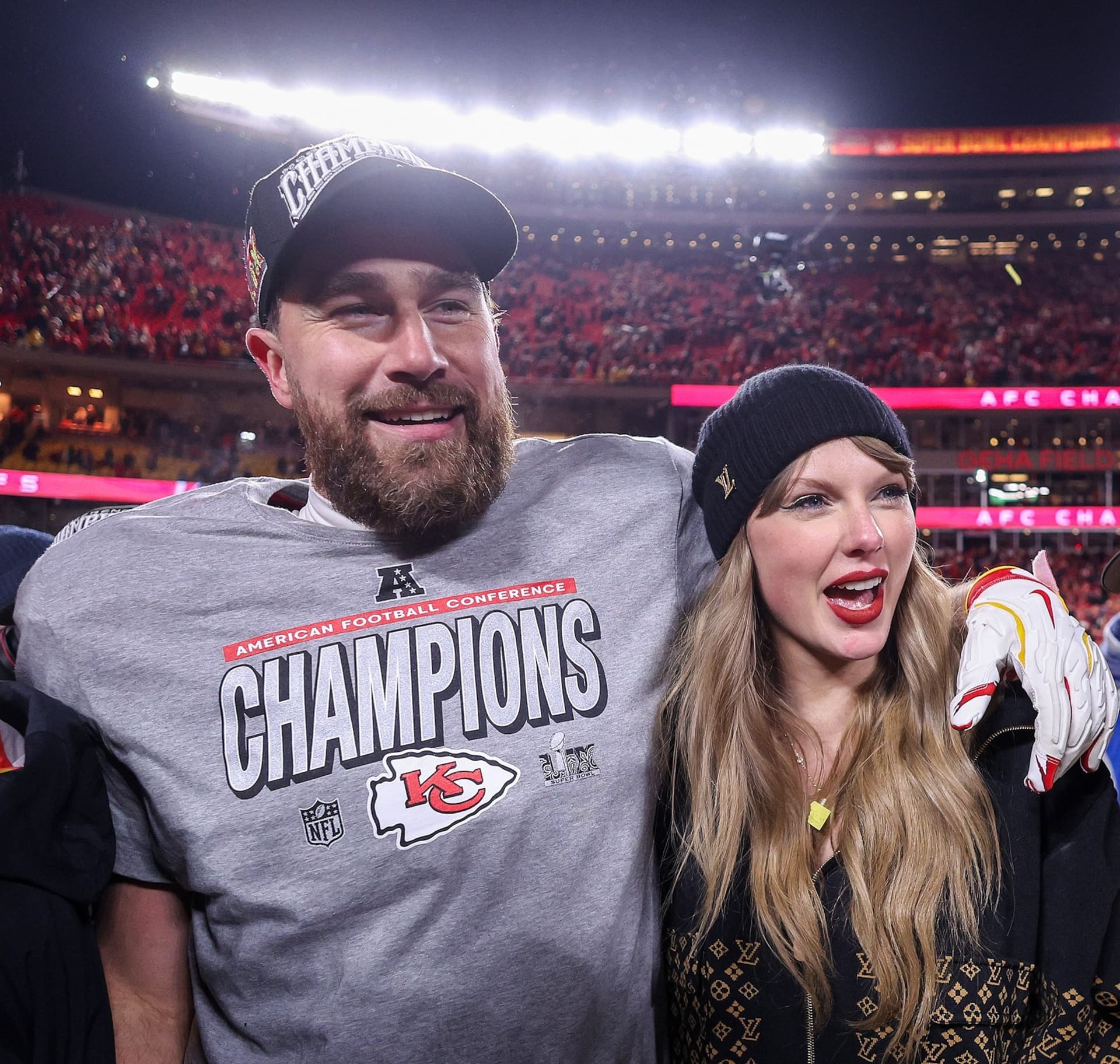
Taylor Swift’s appearance at a Chiefs game at Arrowhead Stadium on September 24, 2023 became the first conclusive evidence that her romance with Travis Kelce was real, and the relationship is now helping define one of 2026’s buzziest dating labels. Chalance dating describes a style of romance that prizes openness over detachment, and the appeal is easy to see in a market fatigued by ghosting, ambiguity, and emotionally unavailable behavior.
What chalance dating is actually saying
At its core, chalance is the opposite of nonchalance in dating. Instead of acting cool, distant, or vaguely interested, the idea is to show genuine effort, make intentions clear, and be emotionally available early rather than late. It captures a shift in tone more than a wholly new relationship model: people are not rejecting dating apps or first dates, they are rejecting the performance of indifference.
Logan Ury, Hinge’s director of relationship science, put the term into the 2026 dating-trends conversation on TODAY, alongside another small but revealing habit change, voice notes instead of texts. Both trends point to a desire for more texture in communication, with daters looking for signals that feel human, immediate, and harder to fake than a polished message thread.
The data behind the mood shift
Hinge’s 2025 Gen Z D.A.T.E. report surveyed more than 30,000 Hinge daters, and 84% of Gen Z respondents said they want to find new ways to build deeper connections. The appetite for emotional clarity is broad enough to shape product features, messaging norms, and the way singles frame first-date behavior.
The same report found that Gen Z Hinge daters are 36% more hesitant than millennials to start a deep conversation on the first date. That complicates the idea that Gen Z simply wants instant vulnerability. The more precise read is that younger daters want depth, but they also want a format that feels safe and natural enough to unlock it.
Why Swift and Kelce became the template
Swift and Kelce’s relationship drew broad attention in the fall of 2023. By August 26, 2025, the couple announced their engagement, giving the relationship a clear arc that moved from rumor to public commitment.

For many daters, that offered visible effort, consistent progression, and no need to decode mixed signals. The relationship became a cultural touchstone because it looked unembarrassed by affection. In a dating environment where people are often taught to withhold interest until the other person proves themselves, Swift and Kelce present the opposite model, one in which obvious investment is part of the appeal.
Travis Kelce’s family life has also kept the relationship in constant public conversation, helping turn one couple into shorthand for a dating style.
Why the term resonates now
Chalance fits the current relationship mood. Ghosting and emotional unavailability have made many singles wary of casual ambiguity, especially when apps make it easy to keep several conversations open without making any real decision. In that climate, a style built around clarity can feel less like a fad and more like relief.
Gen Z daters are large enough, and online enough, to shape the vocabulary of relationships, but the data shows they are not uniformly comfortable with immediate emotional depth. They want deeper connection, yet many hesitate to initiate it right away.
What changes for ordinary daters
For most people, chalance is not a new rulebook, it is a recalibration of how early effort is expressed. The practical shift is toward clearer planning, faster follow-through, and less strategic ambiguity in messages and dates. It also fits with the rise of voice notes, which add tone, timing, and personality in a way text often strips out.
Hinge’s Gen Z data shows a real preference for deeper connection, but it also shows hesitation around initiating it, which means many daters still need structure before they can be emotionally direct.
This article was produced by Prism’s automated news system from verified source data, official records, and press releases, then run through automated quality and moderation checks before publishing. The system is built and supervised by the people who set the standards it runs under. Read our full AI policy.
Did this article answer your question?