Tech giant meets White House on AI computing power shortage
Google’s White House talks exposed AI’s real choke point: scarce computing power, tied to data centers, electricity and permits, not just better models.
The White House is treating computing power as the choke point in AI, and Google’s meeting with administration officials last week underscored why: the race now hinges on data centers, electricity, permits and the workers who keep the system running.
That shift in focus has been building for months. On July 23, 2025, the White House released America’s AI Action Plan, a blueprint with more than 90 federal policy actions spread across innovation, infrastructure and international diplomacy and security. The plan called for faster permitting and modernization for data centers and semiconductor fabs, while also pushing training for electricians and HVAC technicians, a sign that Washington now sees AI capacity as a physical buildout problem as much as a software contest.
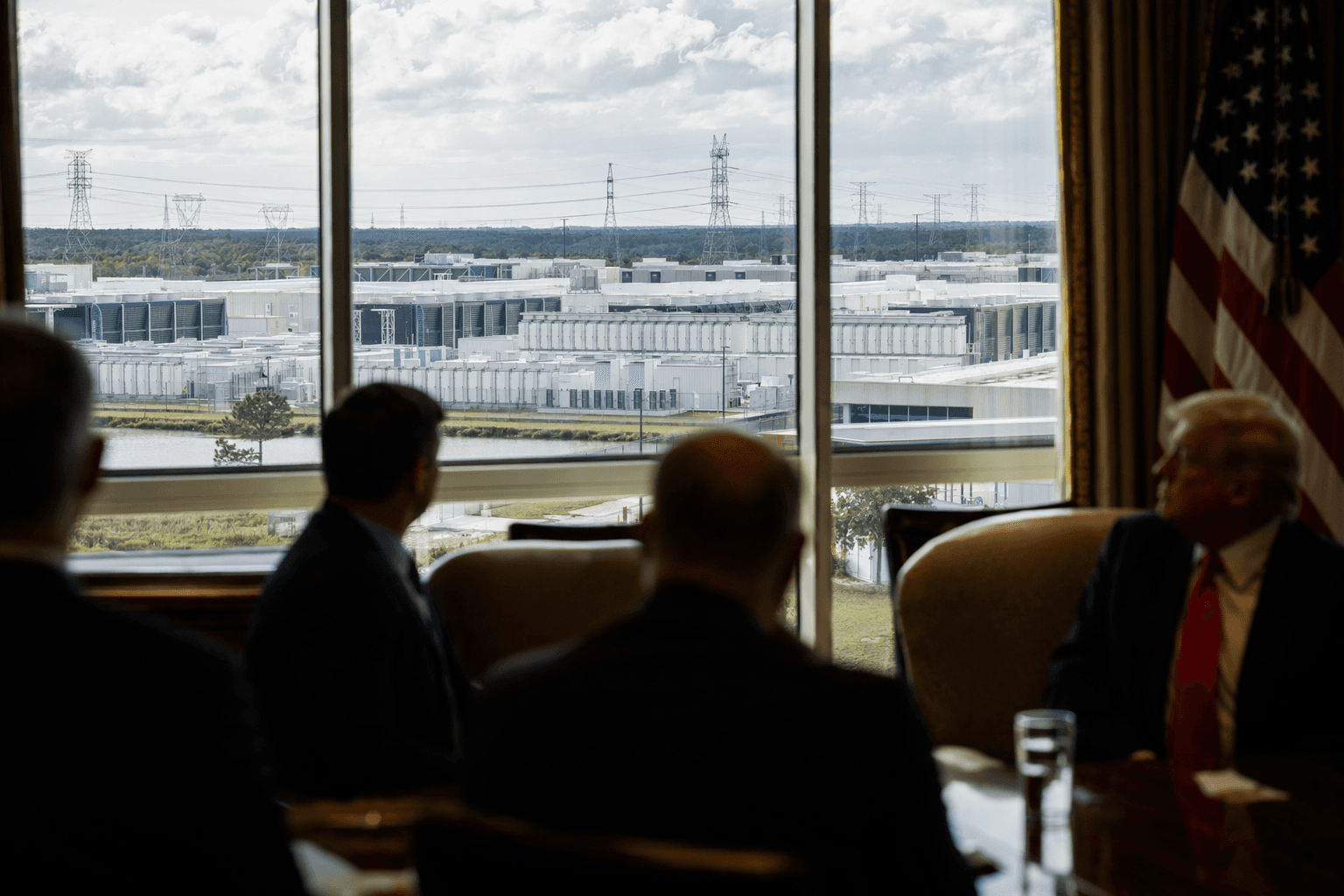
The administration hardened that message on March 5, 2026, when it said major AI and technology companies had signed a Ratepayer Protection Pledge. The commitment required companies to cover the cost of the extra electricity production needed for AI data centers and related grid upgrades, so families and communities would not be left paying more for the power boom. Three weeks later, on March 20, 2026, the White House released a national AI legislative framework saying ratepayers should not foot the bill for data centers and urging Congress to streamline permitting so facilities can generate power on site.

Those moves reflect a broader national-security and economic strategy. White House officials, including Michael Kratsios and David Sacks, have framed AI leadership as a question of American competitiveness, while President Donald J. Trump has cast the push as part of keeping the United States ahead in innovation, infrastructure and global partnerships. The White House has also brought in Cabinet and congressional figures such as Chris Wright, Mike Johnson and Jon Husted as the debate has widened from model performance to grid capacity and industrial buildout.

The pressure is coming from the market itself. Public reporting this spring described AI demand colliding with finite energy and computing resources, with utilities facing interconnection queues, transmission bottlenecks and disputes over who pays for new load. That is why the Google meeting mattered: it was not just about one company’s needs, but about who controls the scarce inputs for AI dominance, and how far Washington is prepared to go if private capacity cannot keep up.
This article was produced by Prism’s automated news system from verified source data, official records, and press releases, then run through automated quality and moderation checks before publishing. The system is built and supervised by the people who set the standards it runs under. Read our full AI policy.
Did this article answer your question?

