Tech Giants Are Building Gas Plants for AI, but Risks Loom
Meta plans 10 gas plants delivering over 7 gigawatts for a single Louisiana AI facility, as Microsoft and Google race to lock up natural gas, raising stranded-asset and climate risks.
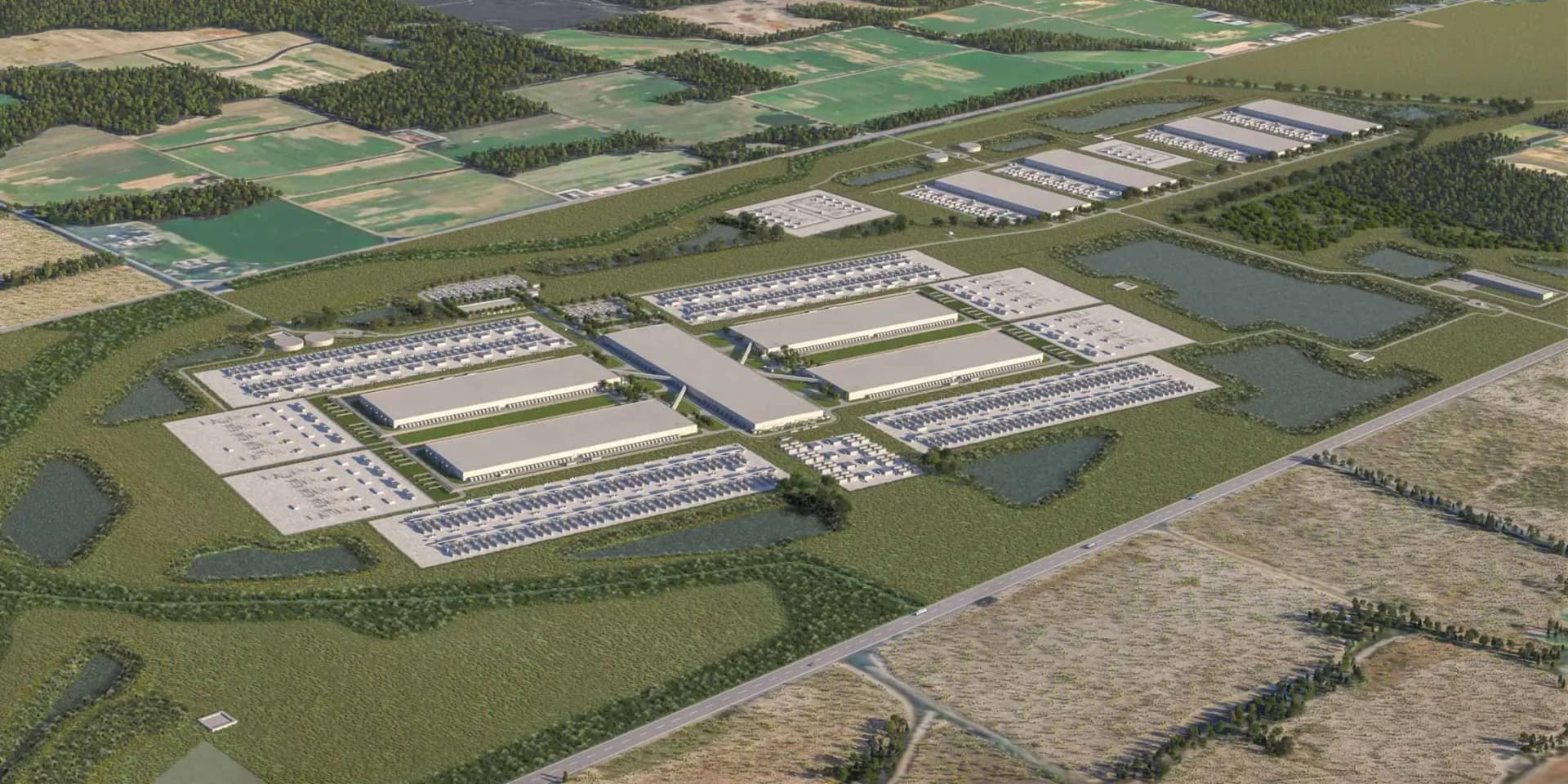
Three of the world's most powerful technology companies are locking in fossil fuel bets of historic proportions, committing billions of dollars to new natural gas infrastructure to feed an AI buildout whose future energy demands, and profitability, remain far from certain.
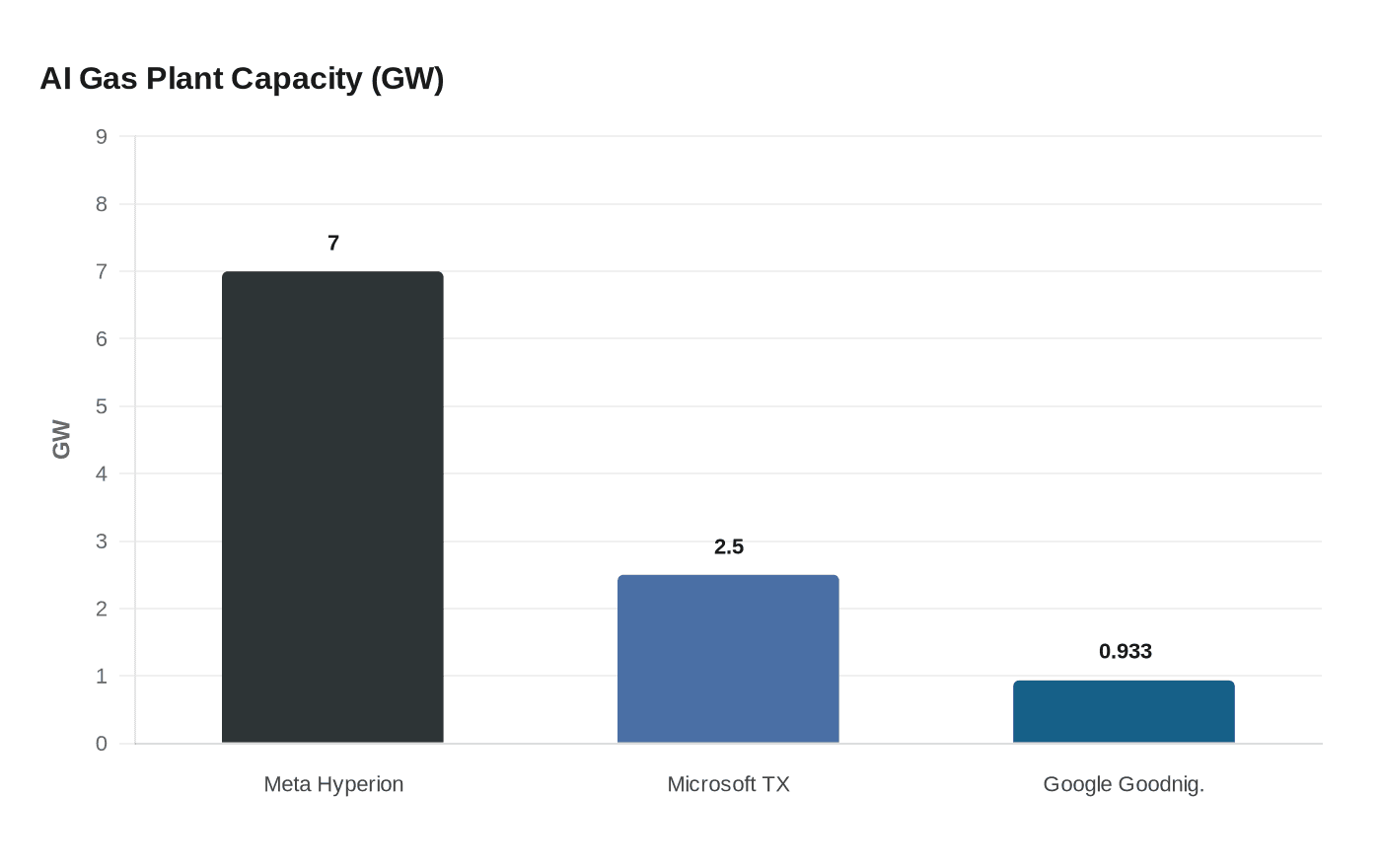
Meta will fund seven new natural gas power plants for its $27 billion Hyperion data center in Louisiana, a deal that would increase the state's electricity grid by more than 30 percent. Combined with three plants already approved by state regulators, Hyperion will ultimately be served by 10 natural gas facilities delivering more than 7 gigawatts of power. That makes it the largest privately powered industrial facility in the United States.
Microsoft, meanwhile, is in exclusive talks with Chevron and investment fund Engine No. 1 to build a $7 billion natural gas-fired power plant in West Texas. The facility, sited near Pecos in the Permian Basin, would initially generate 2,500 megawatts and could ultimately scale to 5 gigawatts. The turbines are planned to use GE Vernova equipment, and the facility is expected to be operational by 2027.
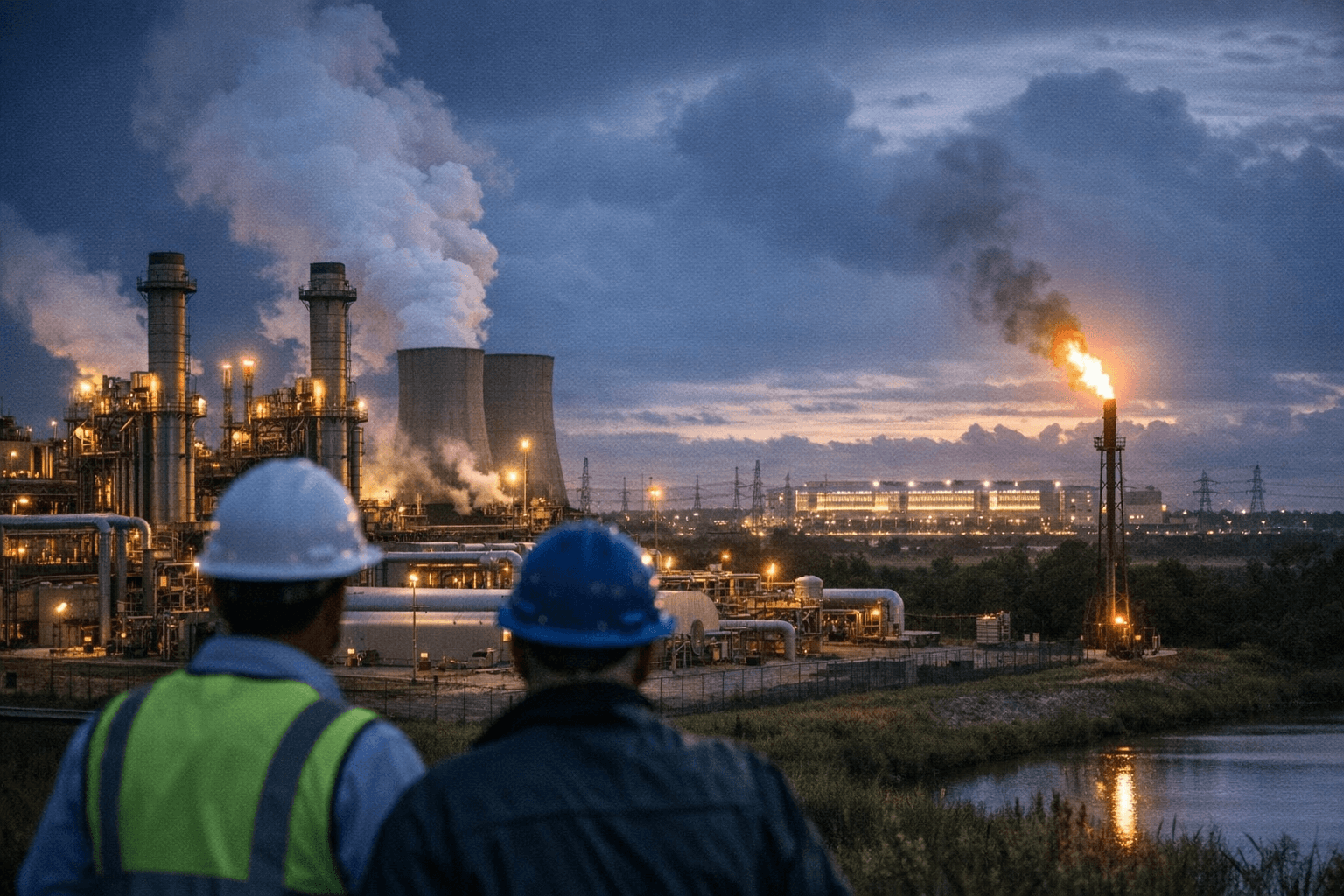
Google confirmed this week that it is partnering with Crusoe Energy to build a 933-megawatt natural gas plant at its "Goodnight" campus in Armstrong County, North Texas. The plant would not connect to the power grid and could emit up to 4.5 million tons of carbon dioxide annually, more than the entire city of San Francisco produces in a year. It is the third known gas project Google has become involved with in recent months, marking a clear shift from the company's earlier carbon-free energy commitments.
The speed of that shift is striking. In 2020, Google set an ambitious goal to run on 100 percent carbon-free energy by 2030. Michael Thomas, founder of energy intelligence platform Cleanview, said the reversal carries reputational weight: "Many climate activists will see Google exploring natural gas as a sort of betrayal." Patrick Huang, a senior analyst at Wood Mackenzie, put it more bluntly about the broader industry: "They are starting to acknowledge that, 'Yeah, we're maybe not on track.'"
The environmental stakes are compounded by financial ones. Critics warn that if demand for AI products plateaus or the economics of large language models shift, companies could be left with enormous, purpose-built generation assets with nowhere to go. "They'll just be stranded assets," said one project opponent cited by Grist. "You can't do anything with a gas turbine besides run gas through it to make it spin."
Senate Democrats launched a formal investigation into Meta, OpenAI, xAI, and six other companies over their use of natural gas to power AI data centers. The probe, led by Senators Sheldon Whitehouse, Martin Heinrich, and Chris Van Hollen, seeks information about 12 planned gas projects, including why companies did not opt for cleaner sources of power and what the impact will be on local air pollution and greenhouse gas emissions.
Amazon, Google, and Microsoft are each investing anywhere from $75 billion to $100 billion in data center construction in 2025. Meta's own capital expenditure budget stands at roughly $70 billion for the year. At that scale, the fossil fuel commitments being made now will carry consequences measured in decades, not quarters.
This article was produced by Prism’s automated news system from verified source data, official records, and press releases, then run through automated quality and moderation checks before publishing. The system is built and supervised by the people who set the standards it runs under. Read our full AI policy.
Did this article answer your question?