Ted Bundy's Full DNA Profile Now in FBI National Database for Cold Case Leads
DNA from Bundy's 1978 blood vial, uploaded to CODIS in 2011, just closed its first confirmed cold case: the 51-year-old murder of 17-year-old Laura Ann Aime.
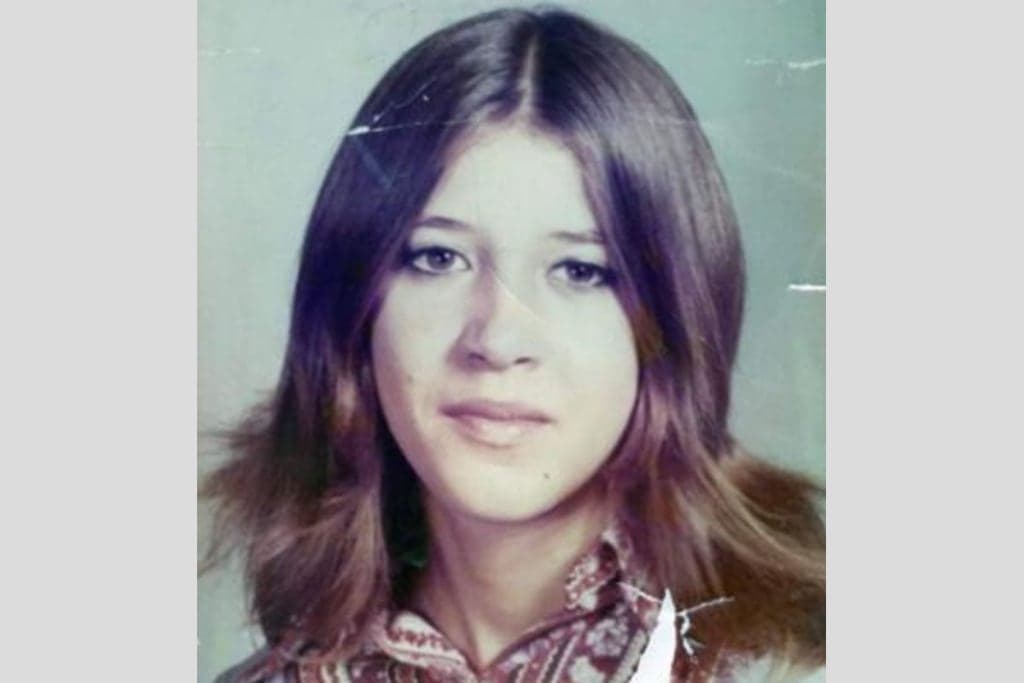
Fifty-one years after Laura Ann Aime vanished on Halloween night, Utah County officials announced Wednesday that DNA evidence has definitively named Ted Bundy as her killer, delivering the first confirmed cold-case resolution powered by the serial killer's full genetic profile in the FBI's national database.
Aime, 17, left a Utah County party on Oct. 31, 1974, telling others she was going to buy cigarettes. She never returned. Two college students found her body on Thanksgiving Day near State Route 92 in American Fork Canyon, roughly 30 miles north of Utah County. She had been bound, beaten, and strangled with a nylon stocking. Investigators believe she may have been kept alive for several days after her abduction.
The breakthrough came through Utah's state crime lab. The Utah Bureau of Forensic Services applied forensic techniques acquired in 2023 to body fluids recovered from Aime's remains, yielding what officials called a full DNA profile of a single male. Department of Public Safety Commissioner Beau Mason confirmed that profile was entered into CODIS, the FBI's Combined DNA Index System. In March 2026, Florida authorities notified Utah investigators that the profile matched Bundy.
"We can now say, without a doubt, that Theodore Ted Bundy did in fact murder Laura Ann Aime in the fall of 1974," Utah County Sheriff Mike Smith said at a press conference in Spanish Fork. Sgt. Mike Reynolds, who helped shepherd the case, called Aime "the quintessential daughter of Utah County" and credited detectives from 1974 for preserving evidence so carefully that it remained viable more than five decades later.
Bundy was studying law at the University of Utah at the time of Aime's death and is believed to have been targeting women across the state that year. Investigators said she was his third confirmed victim in Utah. He acknowledged involvement in the killing before his execution in January 1989 but never formally confessed to it.
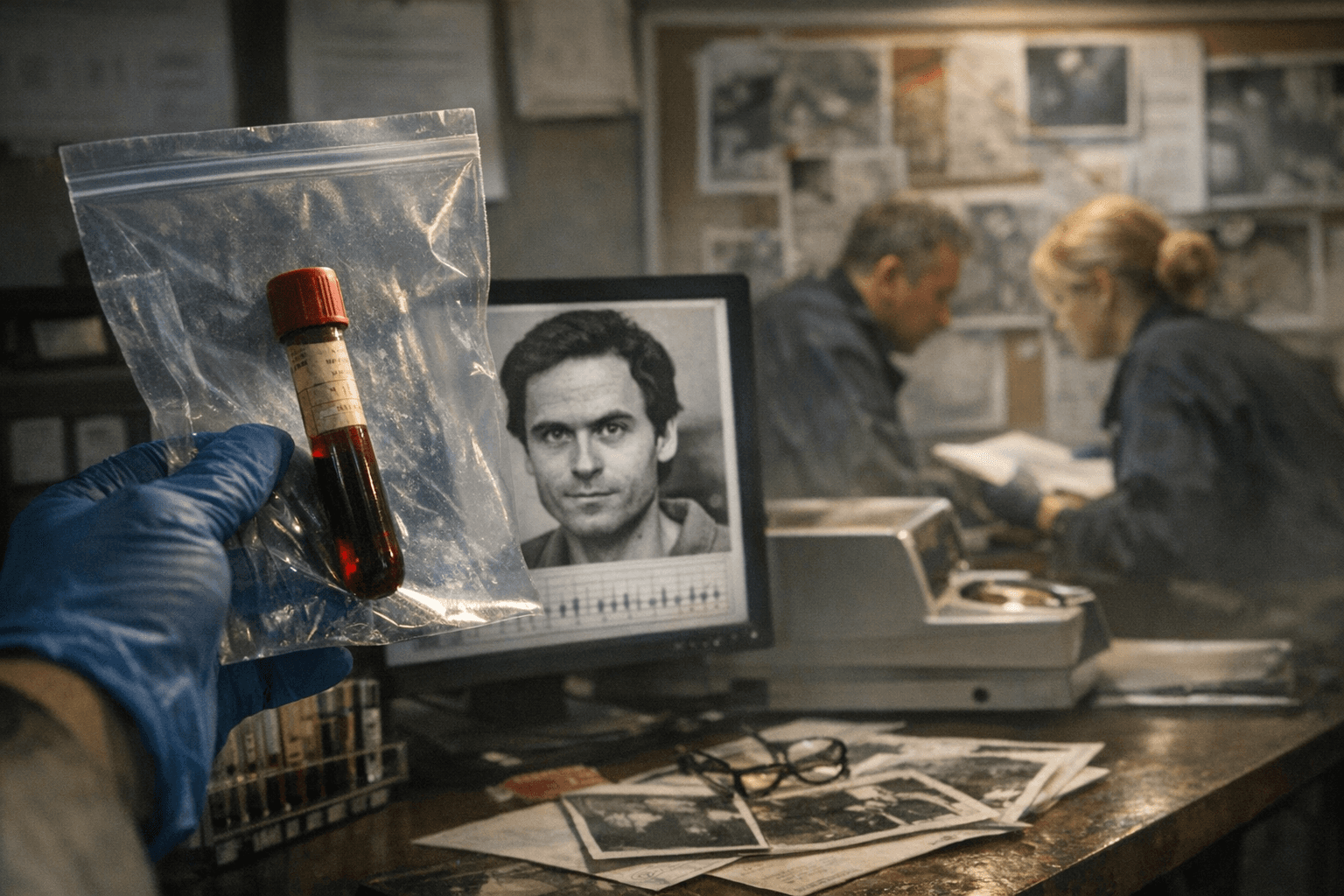
The DNA match itself traces back to a 2011 discovery in Florida. Homicide detective Lindsey Wade, then working a cold case in Tacoma, Washington linked to Bundy, learned no full DNA profile existed for the killer and called David Coffman, chief of forensic services at the Florida Department of Law Enforcement's Tallahassee crime lab. Coffman searched archived evidence and found a vial of Bundy's blood drawn in 1978 following his arrest for the murder of a 12-year-old girl in Columbia County, Florida. The sample had survived despite a court order to destroy much of the biological evidence in the case. Analysts extracted a complete forensic profile containing all 13 core markers required for CODIS matching, and the profile was uploaded to the national database in August 2011.
Reynolds said the now-confirmed full profile opens the door to more resolutions, noting at least one additional cold case could be closed soon. Bundy confessed to more than 30 murders before his execution and was suspected in many more. Laura Ann Aime's sister, Michelle Impala, who was 12 when Laura was killed, attended the press conference and said she had assumed for years the case was simply closed.
This article was produced by Prism’s automated news system from verified source data, official records, and press releases, then run through automated quality and moderation checks before publishing. The system is built and supervised by the people who set the standards it runs under. Read our full AI policy.
Did this article answer your question?

