Teen dies of heat illness during Grand Canyon hike
An 18-year-old died after collapsing below Havasupai Gardens, where Grand Canyon summer heat can top 120 degrees and turn a day hike into a medical emergency.
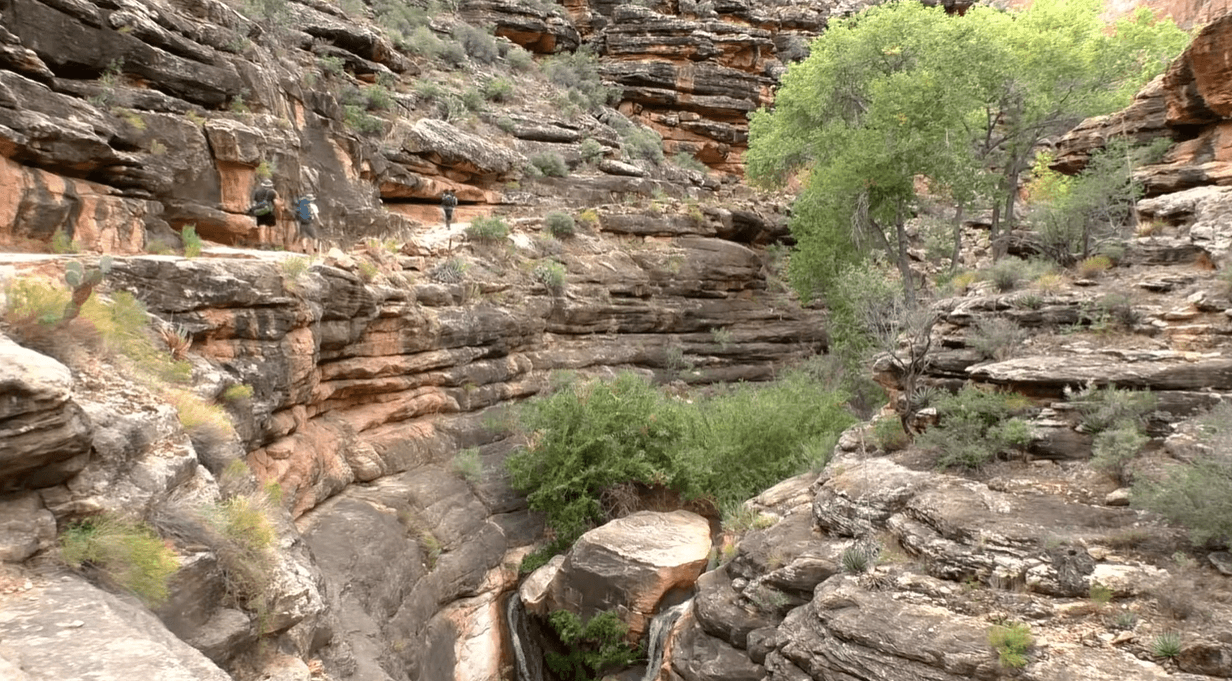
An 18-year-old died after showing signs of heat-related illness on the Bright Angel Trail, a stark reminder that the Grand Canyon’s inner corridor can become dangerous fast, even for young hikers on a day trip. Rangers and rescue crews launched a helicopter response, but lifesaving measures failed in the remote stretch below Havasupai Gardens near Garden Creek.
The National Park Service said the teen was reported in distress at about 1:40 p.m. on June 3, 2026, while hiking from the South Rim to the Colorado River and back. Grand Canyon National Park rangers found him about 30 feet below the trail in rough terrain, then worked with aviation resources to get him out. The case is being investigated with the Coconino County Medical Examiner’s Office, and his name has not been released.
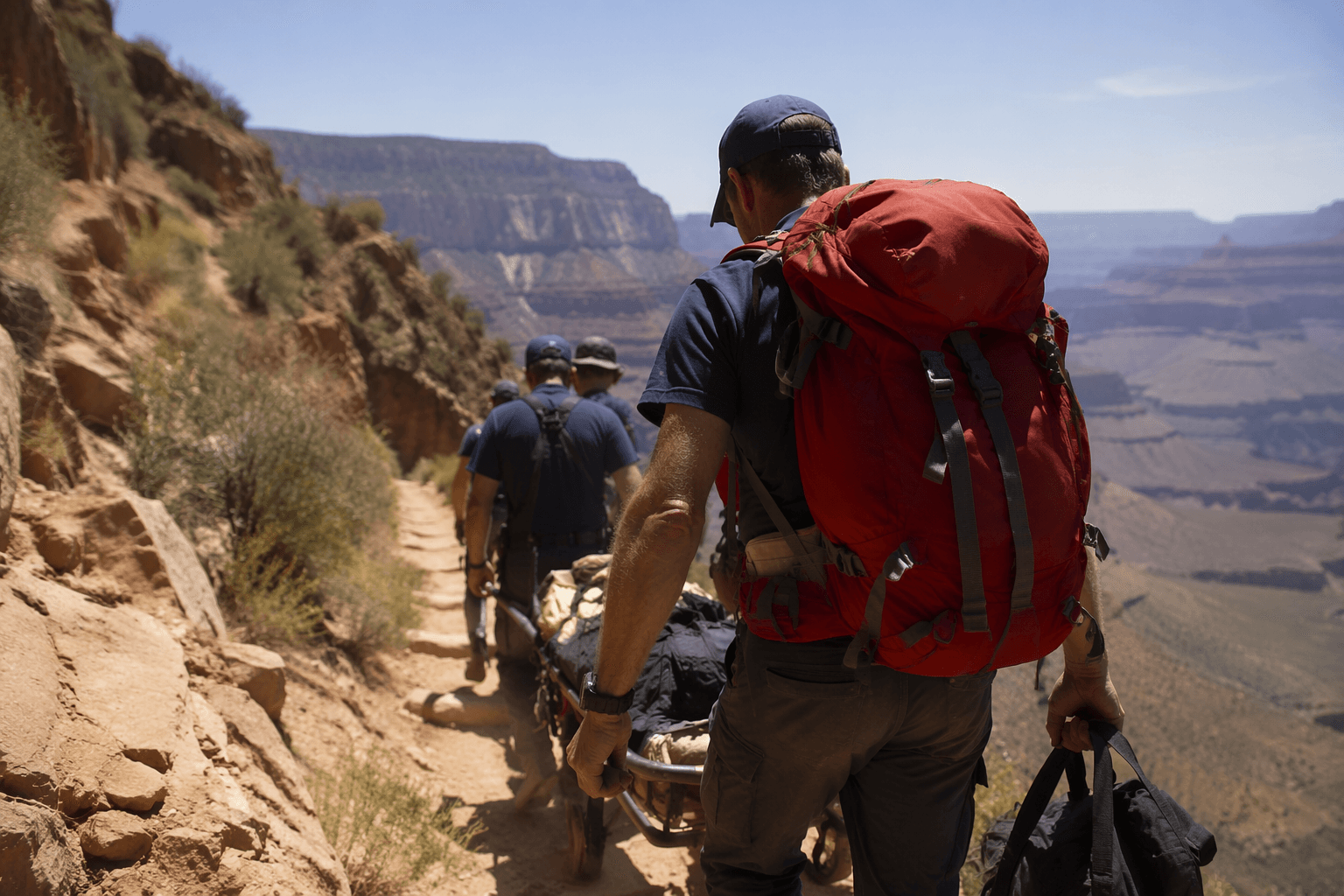
The death lands in the middle of a long-running public safety problem at one of the country’s most visited parks. Grand Canyon National Park warns against hiking below the canyon rim during excessive heat warnings, and park guidance says summer daytime temperatures in the inner canyon can top 120 degrees. Hikers are advised to start before 10 a.m. or after 4 p.m., rest in shade near water and be ready to change plans when conditions worsen.
Those warnings reflect the medical reality of extreme heat, which can trigger heat exhaustion, heat stroke, hyponatremia, hyperthermia and death. The risk rises sharply on the Bright Angel Trail, where a climb that can seem manageable from the rim becomes punishing in the lower canyon, especially when sun exposure, dehydration and exertion stack up over hours.
The fatality echoes another heat death in the park’s remote backcountry. In July 2023, a 57-year-old woman died during an eight-mile hike in the Tuweep area, where temperatures climbed well above 100 degrees and reached about 114 degrees at Phantom Ranch. Together, the deaths show how the Grand Canyon’s summer heat is reshaping the danger profile of iconic trails, and how quickly an outdoor challenge can become a rescue mission.
This article was produced by Prism’s automated news system from verified source data, official records, and press releases, then run through automated quality and moderation checks before publishing. The system is built and supervised by the people who set the standards it runs under. Read our full AI policy.
Did this article answer your question?