Teenage boy’s body recovered from Kent water after major search
Scuba divers recovered a teenage boy’s body from a Swanscombe pond as England and Wales recorded a 10th water death during the heatwave.
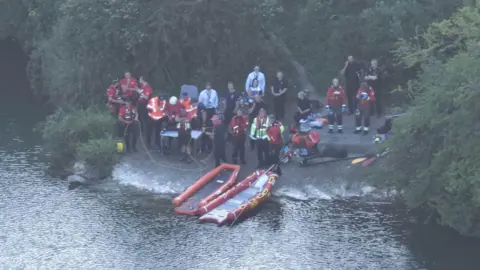
A teenage boy’s body was recovered from water in Swanscombe after a major search that brought together Kent Police, Kent Fire and Rescue Service and the South East Coast Ambulance Service. Emergency crews were called to Galley Hill Road at 2.55pm on Wednesday 27 May 2026 after concern was raised for a swimmer in a pond or lake in the area, with scuba divers also reported near Black Eagle Drive in Northfleet and the Donkey Path linking Ebbsfleet to Swanscombe.
Police said the boy’s death is not being treated as suspicious at this stage. A report will be prepared for the coroner, and his next of kin has been informed.
The tragedy came as England and Wales recorded a 10th water-related death during the latest record-breaking heatwave, underlining how quickly warm weather can turn open water into a lethal hazard. Temperatures reached 35.1C at Kew Gardens on Tuesday 26 May, provisionally breaking the UK’s May and spring temperature record for a second consecutive day, according to the Met Office.

The Royal Life Saving Society UK has urged people to stop and think before entering open water, warning that warmer weather is linked with more accidental drownings. It says teenagers and young adults are proportionately more likely to die in these incidents, and that the risk of accidental drowning rises fivefold on days with average temperatures of 10C compared with warmer weather.
The danger is not limited to how hot the air feels above the water. The RNLI has warned that seas and inland waters can remain cold even during hot spells, increasing the risk of cold water shock. The charity says the safest place to swim is at a lifeguarded beach or inside the red-and-yellow flag zone, where conditions are monitored and swimmers are kept within a protected area.

The death in Kent adds to a wider pattern that has repeated across the heatwave: higher temperatures, more people heading to ponds, lakes and other open-water sites, and a spike in fatal incidents that safety groups say is preventable. With the summer heat drawing more people toward unguarded water, the message from emergency services and safety charities has become increasingly blunt: hot weather does not make open water safe.
This article was produced by Prism’s automated news system from verified source data, official records, and press releases, then run through automated quality and moderation checks before publishing. The system is built and supervised by the people who set the standards it runs under. Read our full AI policy.
Did this article answer your question?