Teenager keeps war memories alive through artifacts and stories
A 15-year-old’s collecting habit becomes a national question: who will carry wartime memory once the last witnesses are gone?

A teenager at the hinge of remembrance
Luke Morrison sits at the center of a story that is less about one young collector than about what happens when living witnesses begin to disappear. An indexed May 24, 2026 item from The New York Times identifies him as possibly “the youngest person keeping alive an age-old tradition” of understanding war through the memories and mementos of those who lived it.
That premise matters because it points to a transfer of responsibility. For generations, families, historians, museums, and veterans themselves have carried wartime testimony forward through letters, photographs, medals, oral recollections, and the objects people keep long after conflict ends. Morrison’s age turns that familiar duty into something sharper: a teenager is now helping hold memory in place at the very moment the number of people who can speak from direct experience is steadily shrinking.
Why the timing is urgent
The broader backdrop is unmistakable. The U.S. Census Bureau says there were 15.7 million military veterans in the United States in 2024, equal to 5.9% of the civilian population age 18 and over, and only 0.4% of veterans served during World War II. That is the oldest living layer of wartime memory, and it is now nearly gone.
The Department of Veterans Affairs projects the veteran population will fall from 17.9 million in fiscal year 2024 to 11.2 million by fiscal year 2053, a drop of 37.6%. In practical terms, that means fewer firsthand voices, fewer family recollections anchored by direct service, and more pressure on younger generations to preserve what older generations remember before it disappears into silence.
This is why Morrison’s role resonates beyond the novelty of his age. A young person can become a bridge between the public record and the private archive, between the official history of a war and the keepsakes, stories, and passing remarks that often preserve its emotional truth. That bridge is not just sentimental. It is a form of historical infrastructure, and the country is increasingly dependent on it.
Artifacts are not just objects, they are evidence
The story’s language about “memories and mementos” points to a deeper truth about how war is remembered. Artifacts give shape to testimony because they make memory tangible. A badge, a photograph, a scrap of correspondence, or a uniform fragment can carry context that is lost when a witness dies, especially if the item is preserved with the story of who owned it and why it mattered.
That is why preserving objects without preserving explanation is only half the job. What turns an item into public memory is the narrative attached to it: who carried it, what battle or homecoming it marked, what loss or survival it represents, and how a family chose to keep it. Morrison’s work, as framed in the indexed story, sits exactly in that space between possession and interpretation. He is not simply collecting. He is helping convert private keepsakes into shared remembrance.
For a general audience, that distinction matters. A nation can easily maintain monuments, anniversaries, and official ceremonies, but those alone do not preserve the texture of lived experience. The intimate record often survives in homes, attics, and the habits of people willing to ask one more question, label one more box, or listen long enough for a veteran or relative to explain why an object was worth saving.
What the next generation inherits
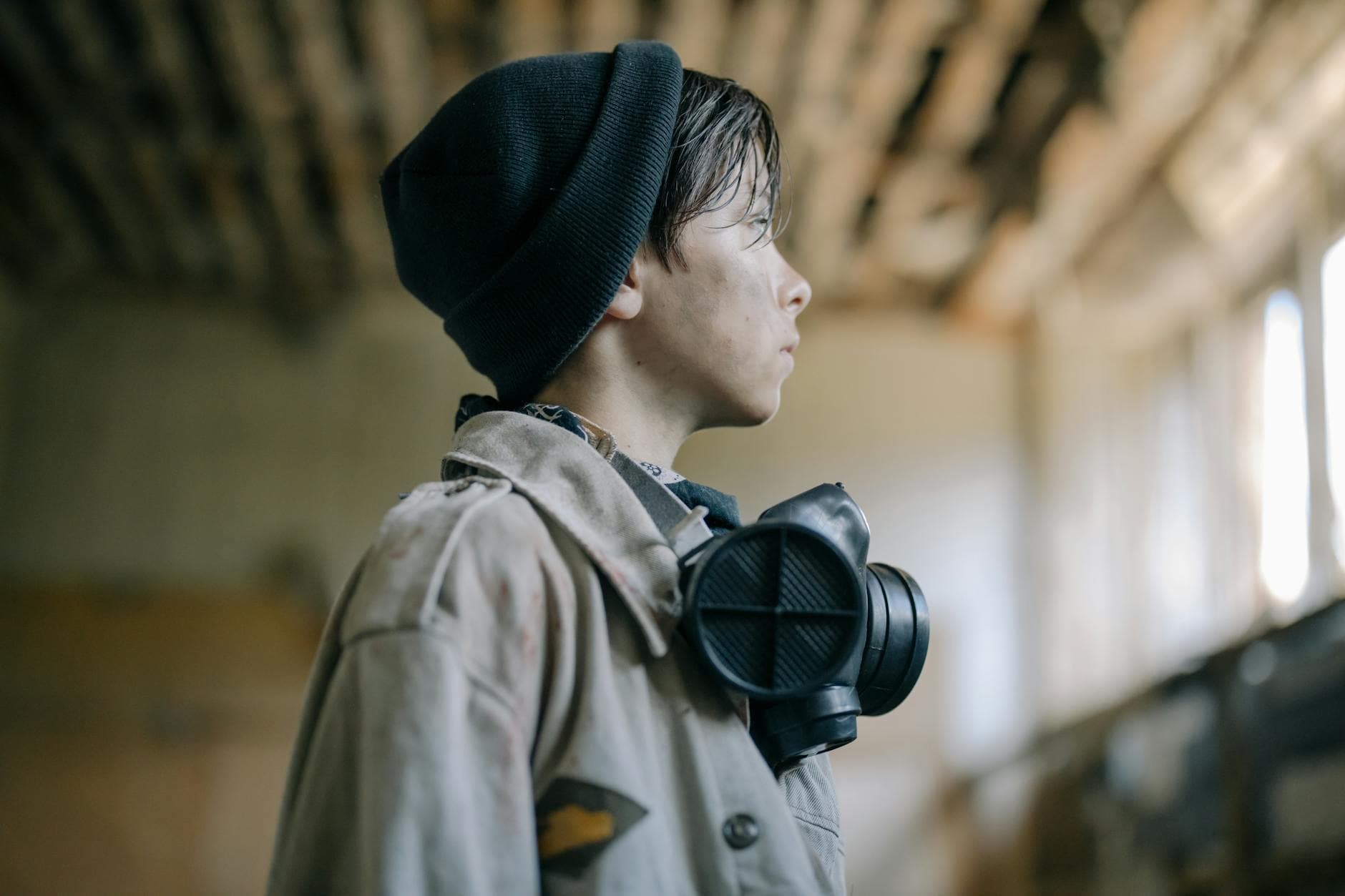
Morrison’s significance is not only that he is young, but that he represents a generational handoff already underway. The question is no longer whether memory should be preserved. It is who will do the preserving once the veterans themselves are gone. In that sense, the story becomes a national test of stewardship, asking whether schools, families, archives, and museums are preparing children and teenagers to become the custodians of the past.
The answer will shape more than historical memory. It will shape civic understanding, because war memory influences how countries explain sacrifice, citizenship, and cost across generations. If the veteran population continues to contract as projected, then the responsibility will shift further toward younger people who can translate inherited objects and fragmentary recollections into something legible for the public record. Morrison’s story suggests that this handoff is already happening, one artifact and one story at a time.
In that light, the teenager is not an exception so much as a preview. A society that loses living witnesses must decide whether it wants memory to fade with them or to be carried forward by the young, who will have to learn not only what happened, but how to keep the evidence of it meaningful.
This article was produced by Prism’s automated news system from verified source data, official records, and press releases, then run through automated quality and moderation checks before publishing. The system is built and supervised by the people who set the standards it runs under. Read our full AI policy.
Did this article answer your question?