Tehran tremors renew fears of a major earthquake near the capital
Nine small quakes near Pardis jolted Tehran overnight, exposing fault lines, weak building standards and the capital’s thin emergency margins.
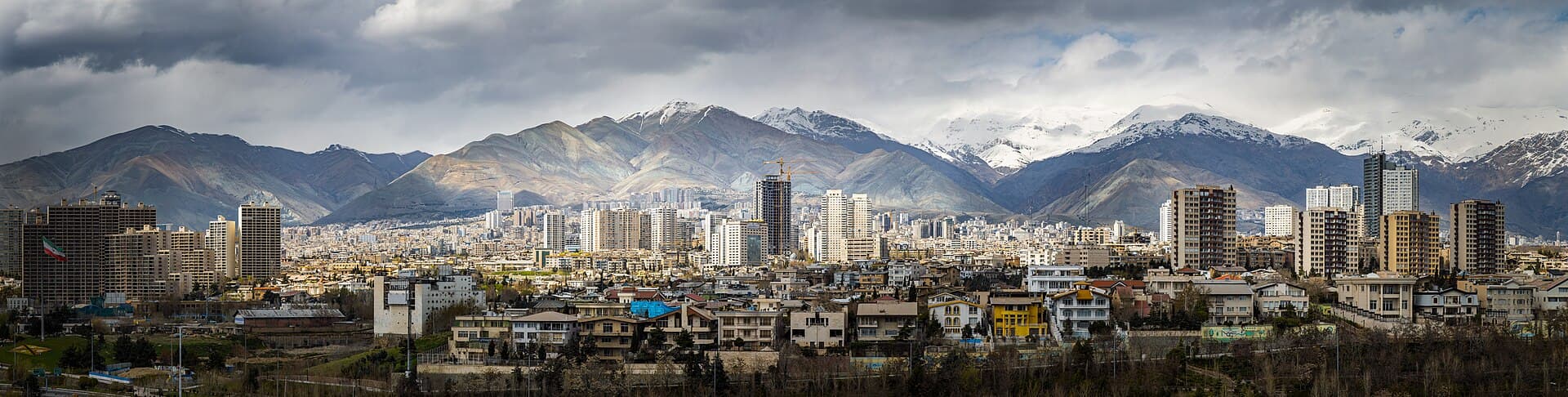
A burst of nine small earthquakes east of Tehran has put the Iranian capital’s longstanding seismic vulnerability back in sharp focus. The strongest tremor in the Pardis area was recorded at 23:46 local time at a depth of about 10 kilometers, and a separate 4.6-magnitude quake was also reported near Tehran at the same depth. No casualties were reported, but the repeated shaking revived familiar concern in a city built under constant fault-line pressure.
Tehran sits near the Mosha fault and the North Tehran fault, and geoscience research says the capital is exposed to large-magnitude earthquakes from both adjacent and inner-city fault systems. That risk is amplified by the city’s dense population, critical infrastructure, and older neighborhoods where streets are narrow and emergency access is limited. Recent research has also singled out Tehran’s southern and southeastern districts, including District 10, as especially vulnerable because of packed older buildings, worn-out housing stock, and, in some areas, land subsidence linked to groundwater decline.
The latest sequence has not been treated by scientists as a precise warning of a larger quake. Small swarms can reflect stress being released on a fault network, or they can be part of a broader pattern that still needs close monitoring. What they do not provide is a reliable way to predict when or where a destructive earthquake will strike. That uncertainty is why each new tremor quickly becomes a test of emergency readiness as much as a seismic event.
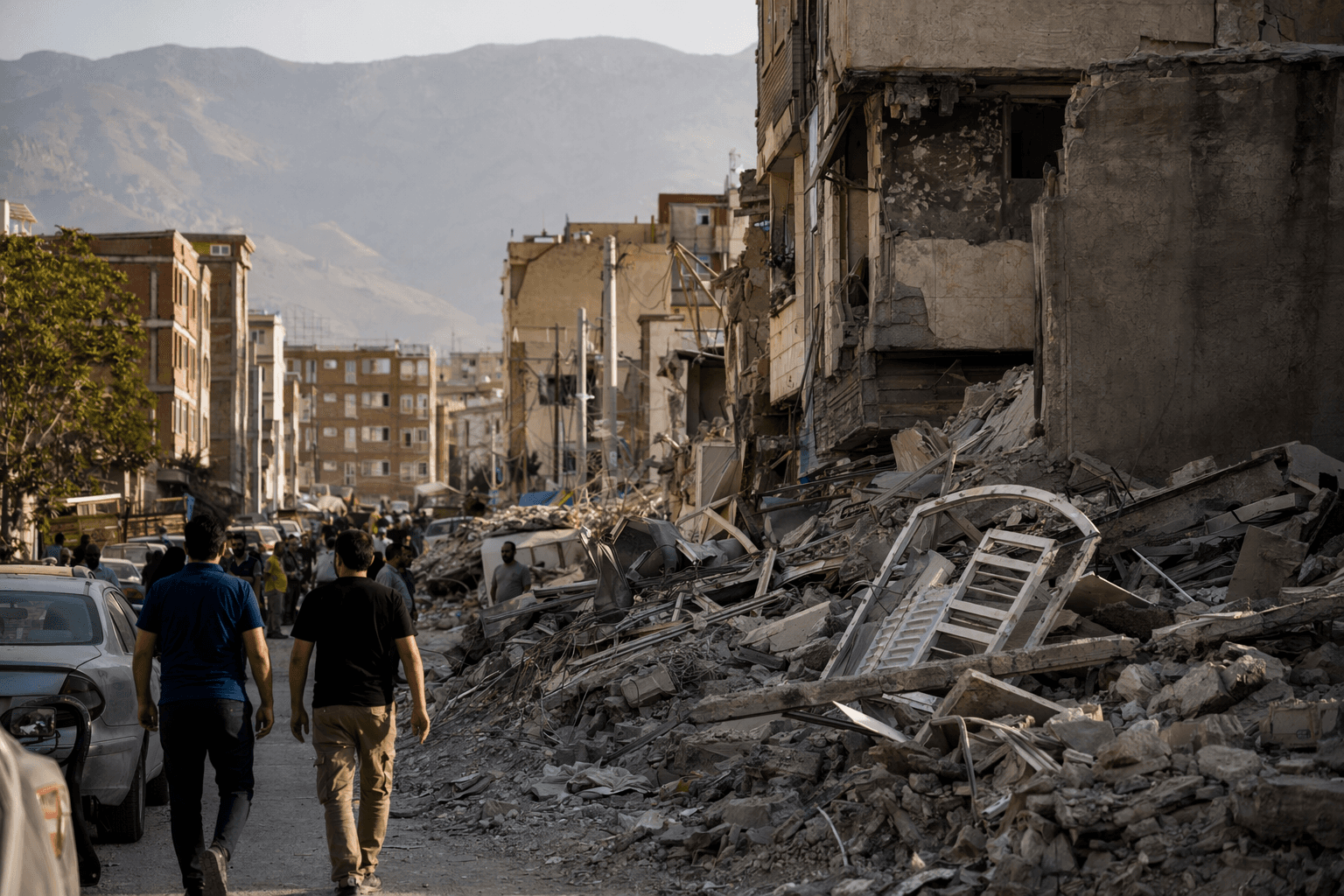
The historical record explains the anxiety. A seismic-loss study says the last devastating earthquake in the Tehran region caused by the Mosha fault struck in 1830, and estimated the return period for major earthquakes at about 165 years. In the wider region, the 1990 Manjil-Rudbar earthquake northwest of Tehran killed more than 40,000 people and destroyed three cities, a reminder of how quickly a major rupture can overwhelm response systems.
Researchers and officials have also pointed to weak enforcement of seismic building standards as a major weakness. Tehran’s vulnerability is shaped not only by the faults beneath and around it, but by the buildings above them, especially non-compliant structures in densely populated high-risk districts. In a city that serves as Iran’s political and economic center, a major earthquake would not only threaten lives and homes; it would also strain transport, hospitals, rescue teams and regional stability across Tehran province.
This article was produced by Prism’s automated news system from verified source data, official records, and press releases, then run through automated quality and moderation checks before publishing. The system is built and supervised by the people who set the standards it runs under. Read our full AI policy.
Did this article answer your question?