Tenderloin Tenants Paid by Mail Faced Eviction Notices After Receiver's Portal Switch
Tenderloin tenants who mailed rent checks were later served eviction notices after a receiver switched payments to an online portal; many paid but were recorded as unpaid.
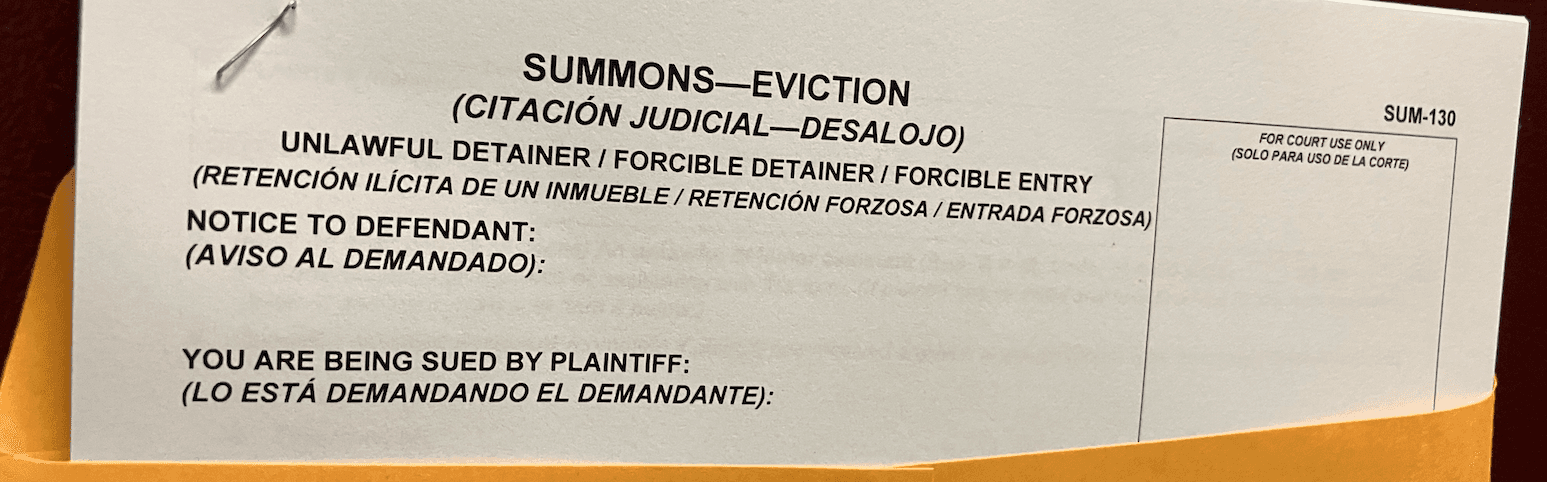
Twenty-four tenants across several Tenderloin buildings were hit with unlawful-detainer notices after a court-appointed receiver changed how rent was accepted, leaving mailed checks uncredited and months of rent marked unpaid. The affected properties are part of a 12-building, 441-unit portfolio purchased by Mosser Companies in 2018 that later defaulted on its loan; TerraCotta Multi acquired the loan and the Stapleton Group was named receiver to manage the portfolio.
The receiver moved tenants from mailing rent checks to posting payments through an online portal. Tenants who continued to mail checks — many of them elderly, non-English-speaking, and unfamiliar with the procedural switch — found their payments reflected as unpaid in receiver paperwork and were served eviction notices for those months. Tenant advocates and the Eviction Defense Collaborative are representing some residents as the notices are contested.
The disruption comes amid parallel litigation over missing tenant security deposits, underscoring broader instability tied to mortgage defaults, receiverships, and highly leveraged property transactions. When owners default and lenders transfer loans, management can fall to receivers whose operational decisions have direct consequences for tenants. In this instance, a technical change in rent collection translated into legal jeopardy for residents who believed they had honored their obligations.
The Tenderloin's dense housing stock and concentration of low-income, older, and non-English-speaking residents magnify the public health stakes. Housing instability increases stress, disrupts continuity of medical care, and raises the risk of displacement into shelters or crowded living arrangements that can worsen chronic health conditions and infectious disease transmission. Local service providers and community groups have already noted the stress and confusion among impacted tenants, who often rely on mail-based payments and in-person assistance.

Policy and oversight issues are central to the story. The situation highlights gaps in tenant protections during receiverships, including how tenants are notified of procedural changes, how rent receipts are verified, and how security deposits are tracked when management changes hands. City agencies that oversee landlord-tenant relations and receiverships may face pressure to tighten notice requirements, require explicit acknowledgement of payment methods, and ensure clear handoffs when loan ownership or property management shifts.
For Tenderloin residents, the immediate steps are legal defenses and documentation of payments. Longer term, the episode points to the need for stronger safeguards so administrative changes do not translate into sudden eviction risk for the neighborhood's most vulnerable. City leaders and housing advocates will be watching how the cases are resolved and whether policy fixes follow to prevent a repeat in another corner of San Francisco.
Sources:
Know something we missed? Have a correction or additional information?
Submit a Tip