Tennessee solar farm tests cattle grazing alongside power generation
Cattle grazed under 10,000 panels in Christiana as Silicon Ranch tested whether one acre can yield beef, pasture and about 5 megawatts at once.
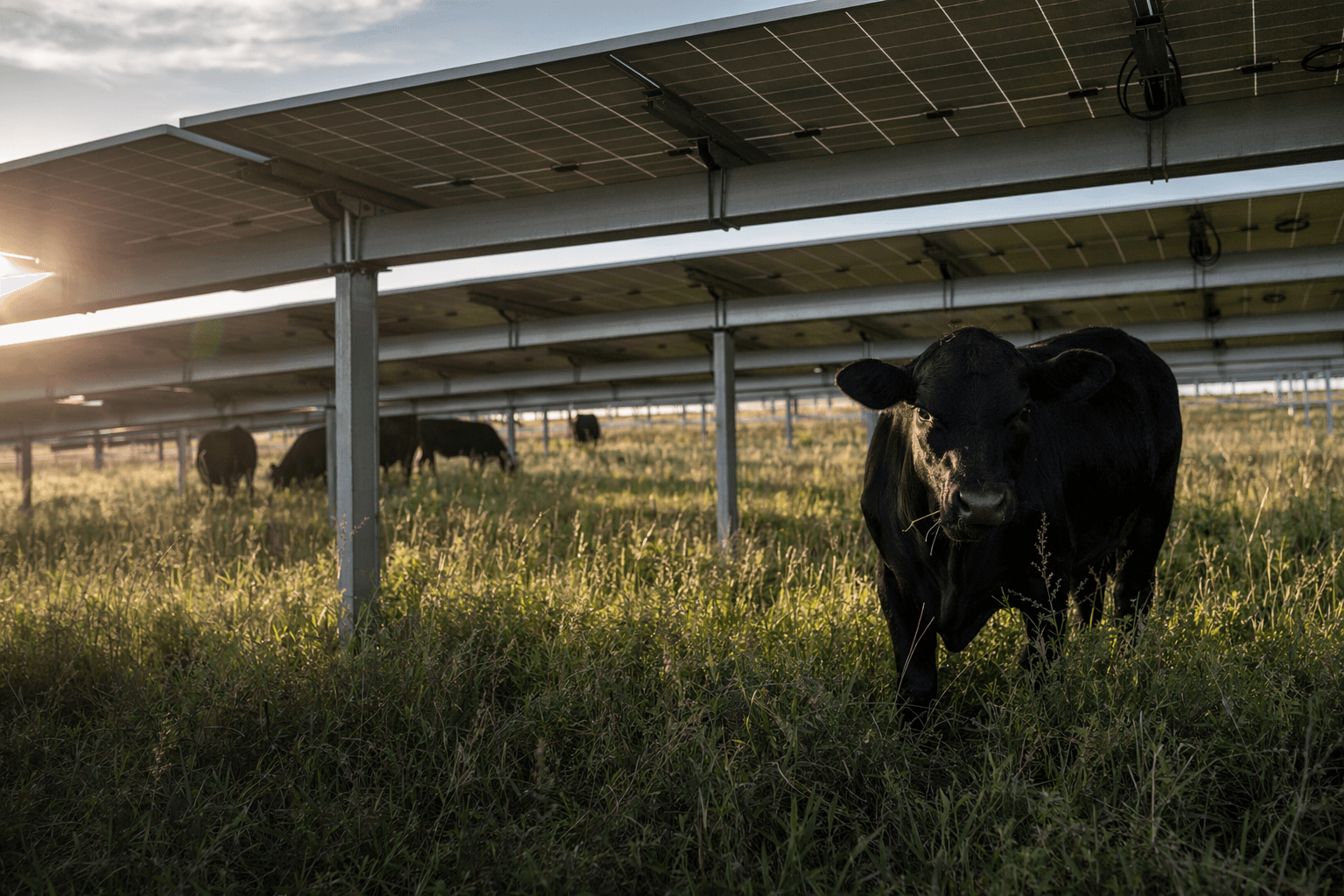
Beneath rows of black solar panels in Christiana, Tennessee, a small herd of cattle spent the day grazing and resting in the shade, turning a 40-acre field outside Nashville into a live test of whether energy and ranching can share the same ground. Silicon Ranch said the site produces about 5 megawatts of electricity, and Middle Tennessee Electric said that is enough to power roughly 650 homes on a sunny day.
The project is the first commercial deployment of Silicon Ranch’s cattle-compatible agrivoltaics platform, CattleTracker™, and the company said it was built to show that cattle, not just sheep or crops, can work under solar arrays. Fourteen cattle were on display for the debut demonstration, while the broader grazing plan calls for about 10 cows and their calves to move between paddocks every few days. Silicon Ranch said the panels are raised slightly and can be turned flatter in a grazing mode so animals can move safely below them.
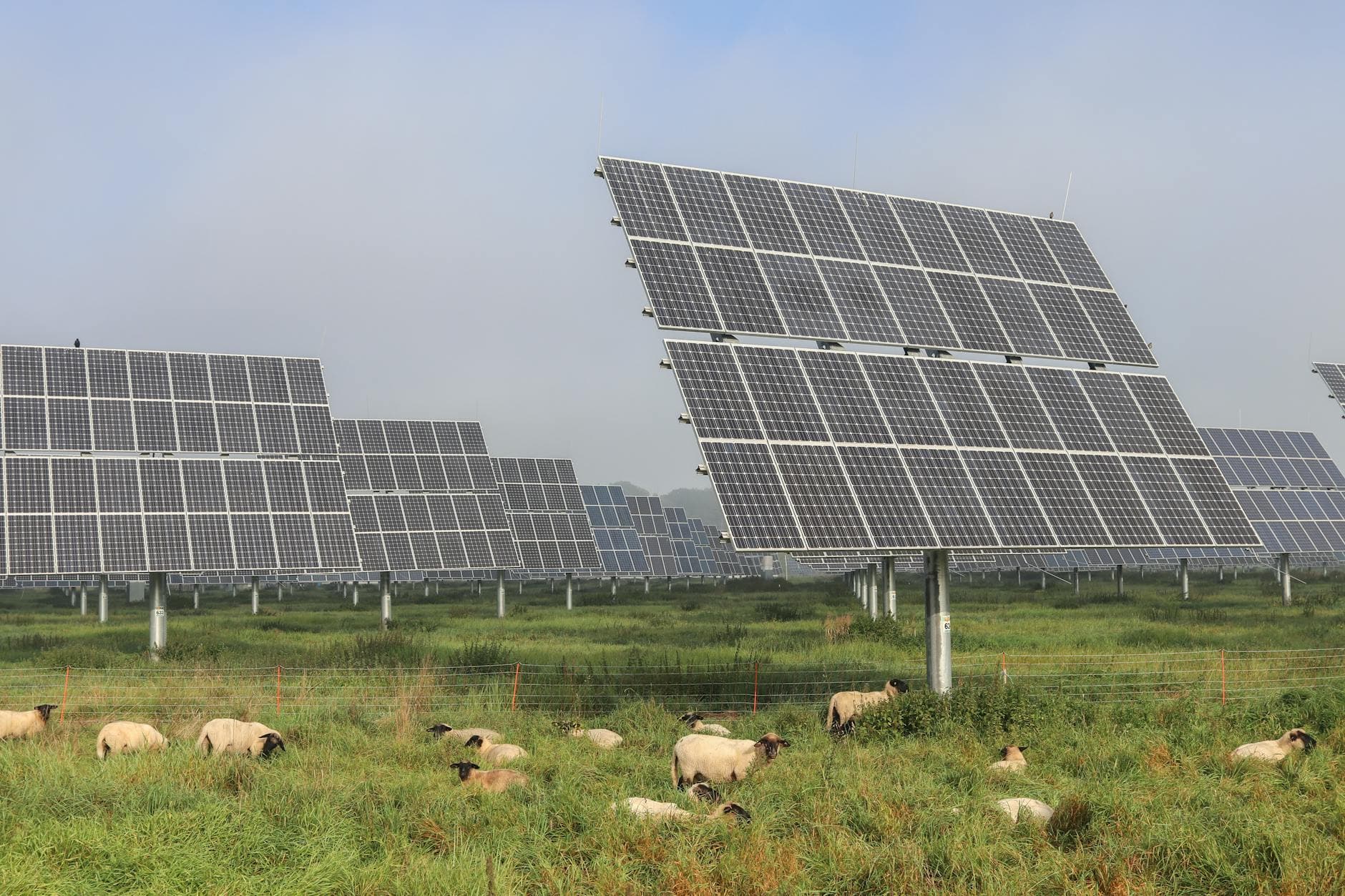
That engineering choice matters because cattle are far larger than sheep and can weigh more than half a ton. Solar panels usually tilt near vertical to follow the sun, leaving little room underneath, so the company said it had to solve both a design problem and a welfare problem before the system could work at commercial scale. Silicon Ranch said the Christiana project was made possible by two patents and uses made-in-America panels, trackers, torque tubes, switchgear, transformers, combiner boxes and steel piles.
The economics are as important as the optics. Middle Tennessee Electric, which serves more than 750,000 Tennesseans across 11 counties, is buying the power and environmental attributes from the project, and Silicon Ranch said the arrangement produces savings on day one. That makes Christiana more than a conservation experiment. It is a bid to keep land in active farm production while meeting rising electricity demand, including pressure from data centers, without turning rural acreage into a zero-sum fight between hayfields and substations.
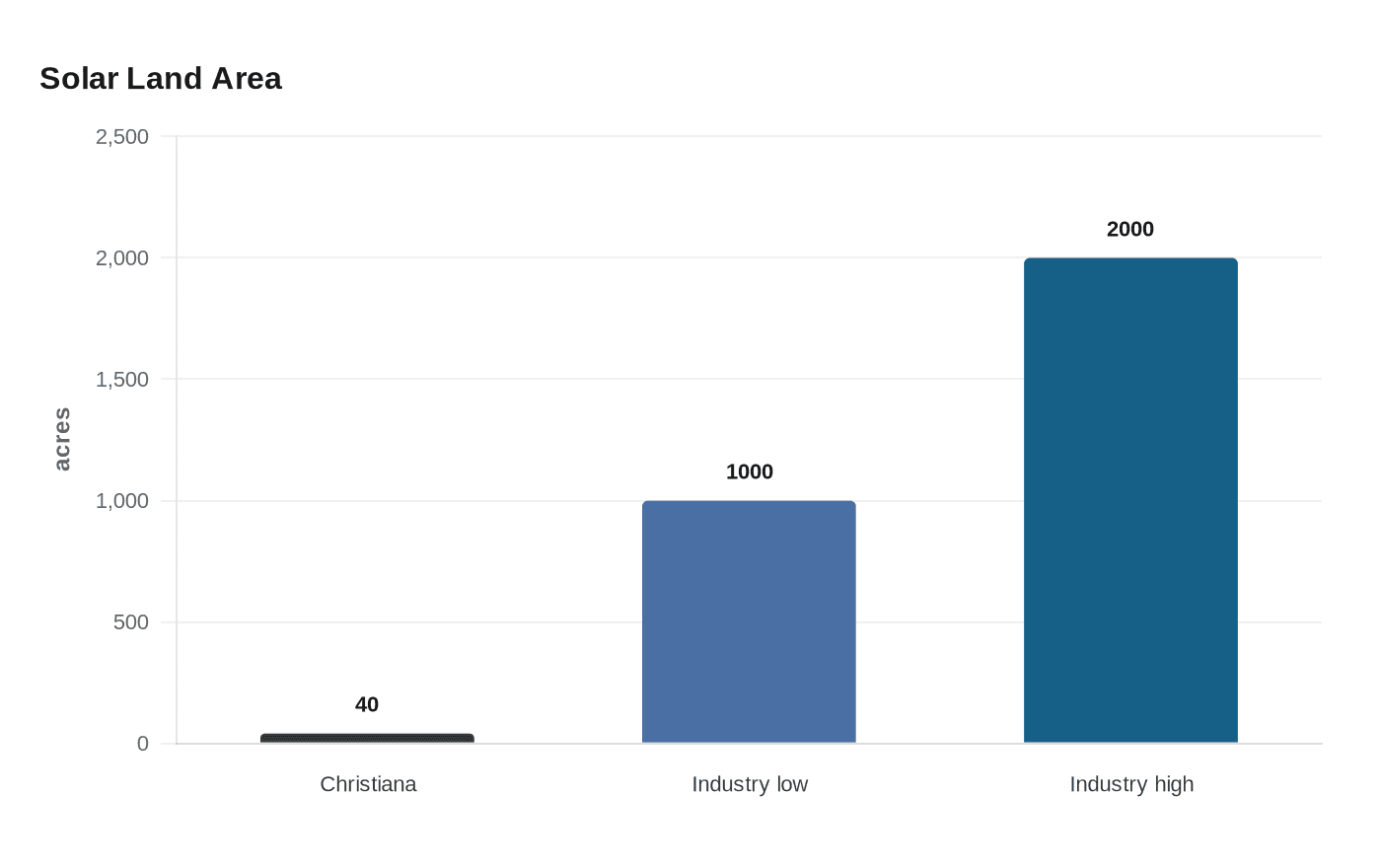
Silicon Ranch said the project is designed to produce renewable energy, pasture-raised meats and functioning grassland ecosystems on the same acre. The company said regenerative grazing will replace mowing and chemicals, with the goal of improving soil health, water infiltration and retention, carbon sequestration, wildlife habitat and resilience to extreme weather. Backed by agrivoltaics experts, animal welfare scientists, regenerative ranchers and soil researchers, the project has been framed as a proof point for a wider industry that includes solar fields from 1,000 to 2,000 acres. Whether the model scales will depend on measurable results, from cattle health and grass quality to farm revenue and power output, but Christiana is now the place where those claims have to earn their keep.
This article was produced by Prism’s automated news system from verified source data, official records, and press releases, then run through automated quality and moderation checks before publishing. The system is built and supervised by the people who set the standards it runs under. Read our full AI policy.
Did this article answer your question?
%3Amax_bytes(150000)%3Astrip_icc()%2FCertificate-of-deposit-2301f2164ceb4e91b100cb92aa6f868a.jpg&w=1920&q=75)