Tesla in self-driving mode crashes into Texas home, kills woman
A Tesla Model 3 crashed into a Katy home, killing 76-year-old Martha Avila inside as federal scrutiny of driver-assistance systems deepened.
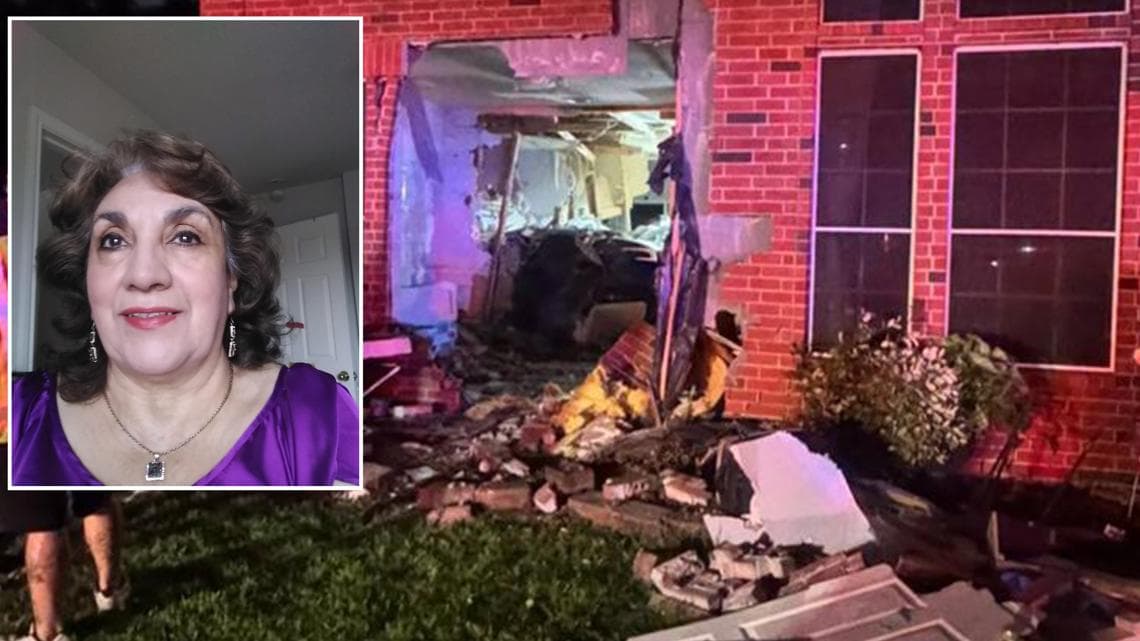
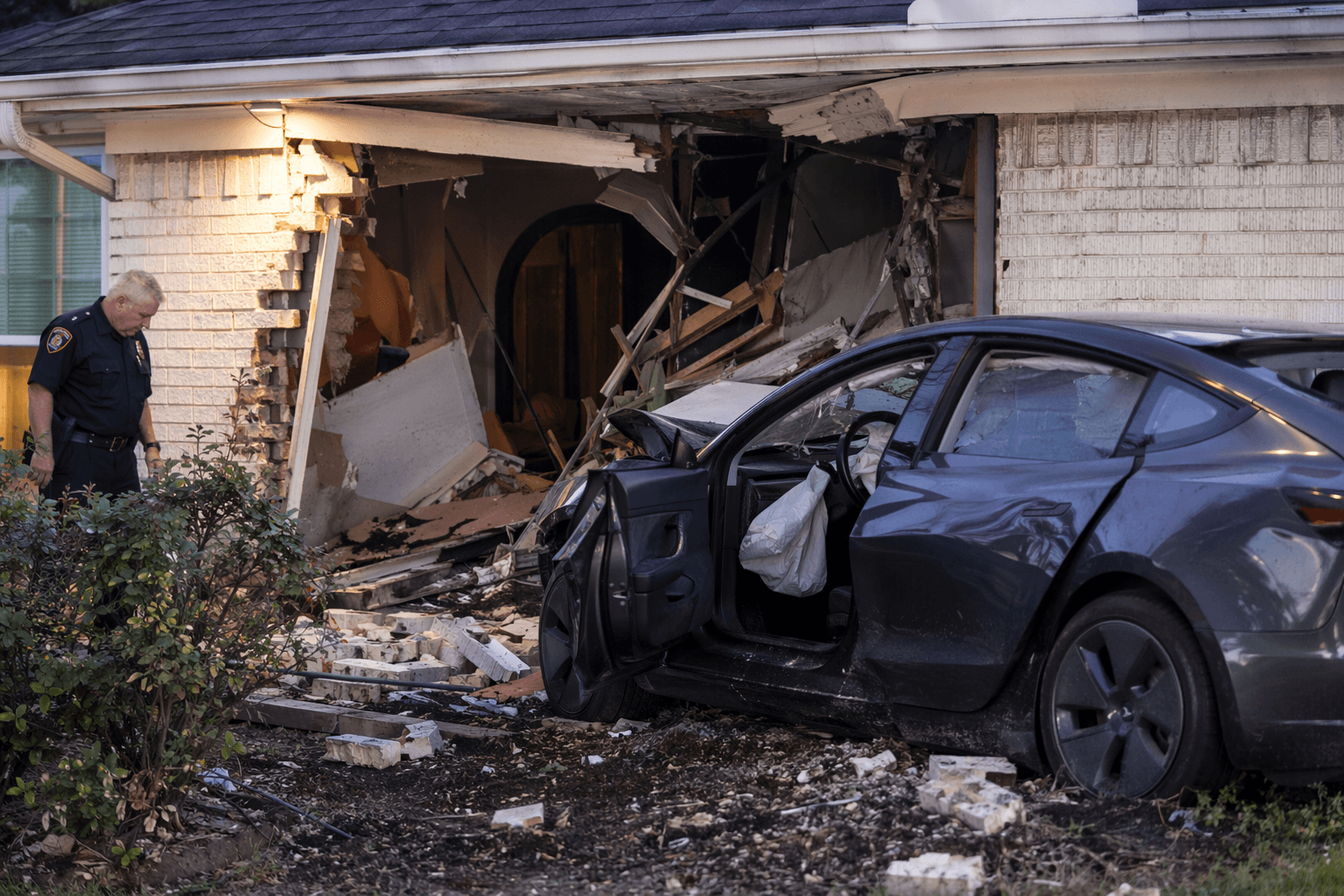
A Tesla Model 3 allegedly operating with driver-assistance engaged slammed into a home in Katy, Texas, and killed 76-year-old Martha Avila inside her own house. The crash turned a neighborhood wreck into a bystander death, with the impact tearing into the brick residence at Blooming Park Lane near Rose Hollow Lane in west Harris County.
Investigators said the car was driven by Michael Butler and was traveling at about 8:03 p.m. Friday, June 20, 2026, when it left the roadway and struck the home. Local reports said Butler failed to maintain a single lane before the crash. Avila was airlifted to a hospital but later died. Butler was also injured and taken to the hospital, and the sheriff’s office said investigators found no signs of intoxication. No charges had been filed as of Saturday, and Butler was cooperating with police.
The Harris County Sheriff’s Office said Butler told deputies that an automated driving-assistance system was engaged at the time of the crash. Video from the scene showed the car speeding down the residential street moments before impact, underscoring how quickly a vehicle in motion can become lethal when it enters a home. The case has put renewed attention on the gap between assisted driving and full autonomy, especially when a system is described in language that can suggest more capability than it delivers on the road.
That gap is already under federal review. The National Highway Traffic Safety Administration opened a probe into Tesla’s Full Self-Driving system on October 9, 2025, covering 2.88 million vehicles after more than 50 reports of traffic-safety violations, including 14 crashes and 23 injuries. The agency said the system may have induced behavior such as running red lights or entering opposing traffic lanes. NHTSA has also said vehicles sold in the United States still require the driver’s full attention, while Tesla’s own guidance says Autopilot and Full Self-Driving require active supervision and do not make the car autonomous.
The Katy crash also lands amid broader pressure on Tesla’s branding. California’s Department of Motor Vehicles said Tesla stopped using the term Autopilot in California marketing after regulators challenged its use as misleading. Tesla later shifted some branding to Traffic Aware Cruise Control and Full Self-Driving (Supervised), a change that reflects the same central issue now facing investigators in Harris County: whether the system was engaged, what the driver understood it to be doing, and how a residential street turned into the site of a fatal crash.
This article was produced by Prism’s automated news system from verified source data, official records, and press releases, then run through automated quality and moderation checks before publishing. The system is built and supervised by the people who set the standards it runs under. Read our full AI policy.
Know something we missed? Have a correction or additional information?
Submit a Tip