Tesla Model Y first to pass new NHTSA driver-assistance tests
Tesla’s Model Y cleared NHTSA’s new driver-assistance test, but the pass says nothing about full self-driving or the agency’s open Tesla probes.
The National Highway Traffic Safety Administration’s new driver-assistance benchmark measures pedestrian automatic emergency braking, lane-keeping assistance, blind-spot warning and blind-spot intervention. It does not certify a vehicle as autonomous, and it does not resolve the question that shadows Tesla’s automated-driving claims: how well these systems perform in real traffic, in bad weather and when human attention slips.
On May 7, 2026, NHTSA said the 2026 Tesla Model Y became the first vehicle model to pass the agency’s new tests, which were added to the New Car Assessment Program after Congress pressed the agency to give broader attention to driver-assistance features. The result applies to Model Y vehicles manufactured on or after Nov. 12, 2025.
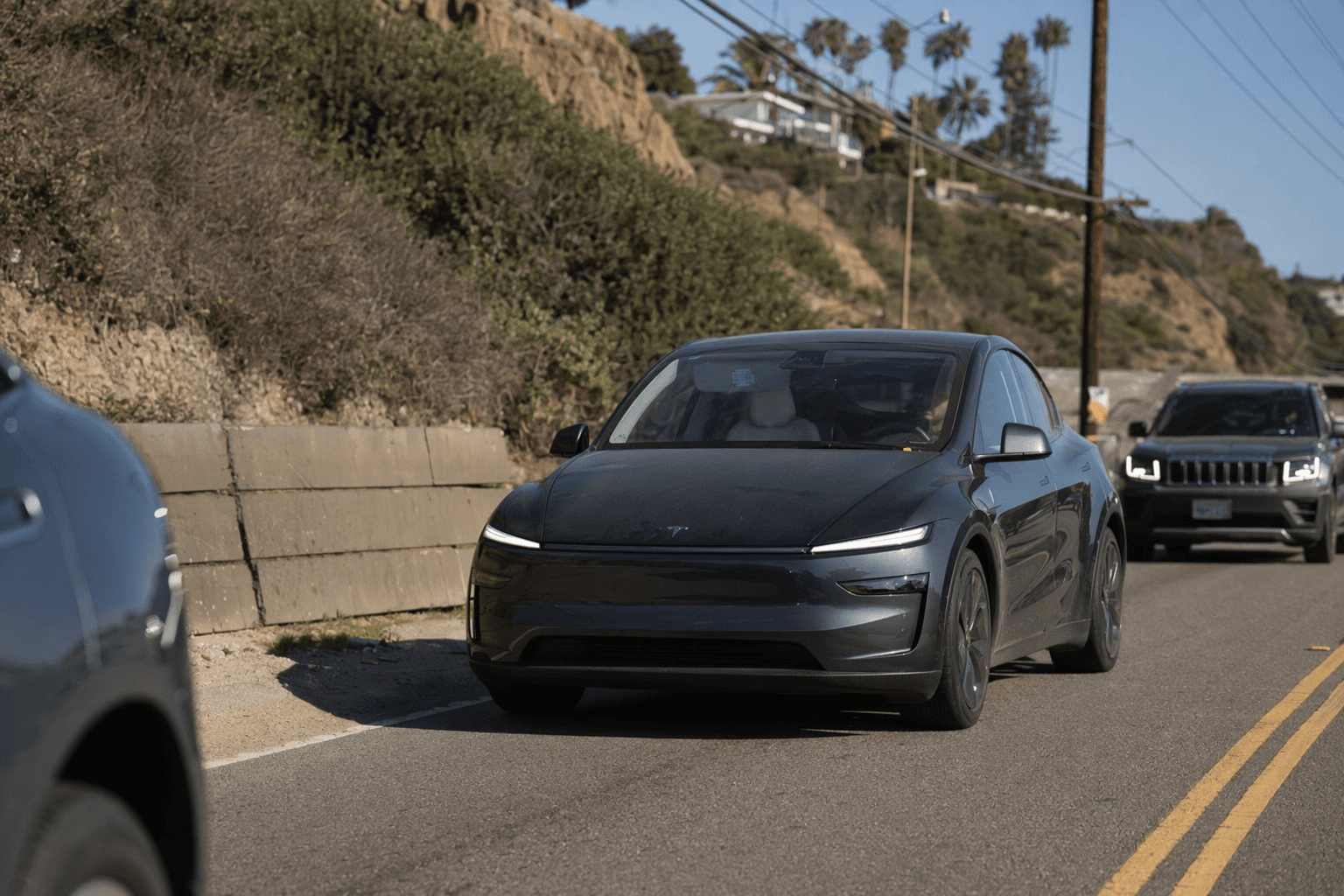
For Tesla, the distinction is a meaningful marketing win. The Model Y is one of the company’s best-selling vehicles, and a first-place finish in a federal safety benchmark can shape showroom talk, online comparison shopping and the broader perception of which automakers are ahead on active-safety technology. For regulators, though, the milestone is narrower than Tesla’s public branding around automation. NHTSA says driver-assistance technologies are meant to assist a fully attentive driver, who must remain in control of the vehicle. The agency’s automated-vehicle safety materials make the same point: even the highest level of driving automation available to consumers still requires full driver engagement and attention.
That distinction matters because NHTSA still has separate Tesla investigations open, including one tied to Full Self-Driving. In March 2026, the agency escalated that probe into an engineering analysis covering about 3.2 million vehicles, adding to questions about whether the system can miss hazards or fail to warn drivers in poor visibility. The new pass does not erase those concerns, and it does not settle liability if a crash occurs while a driver relies too heavily on software that remains labeled as assistance.
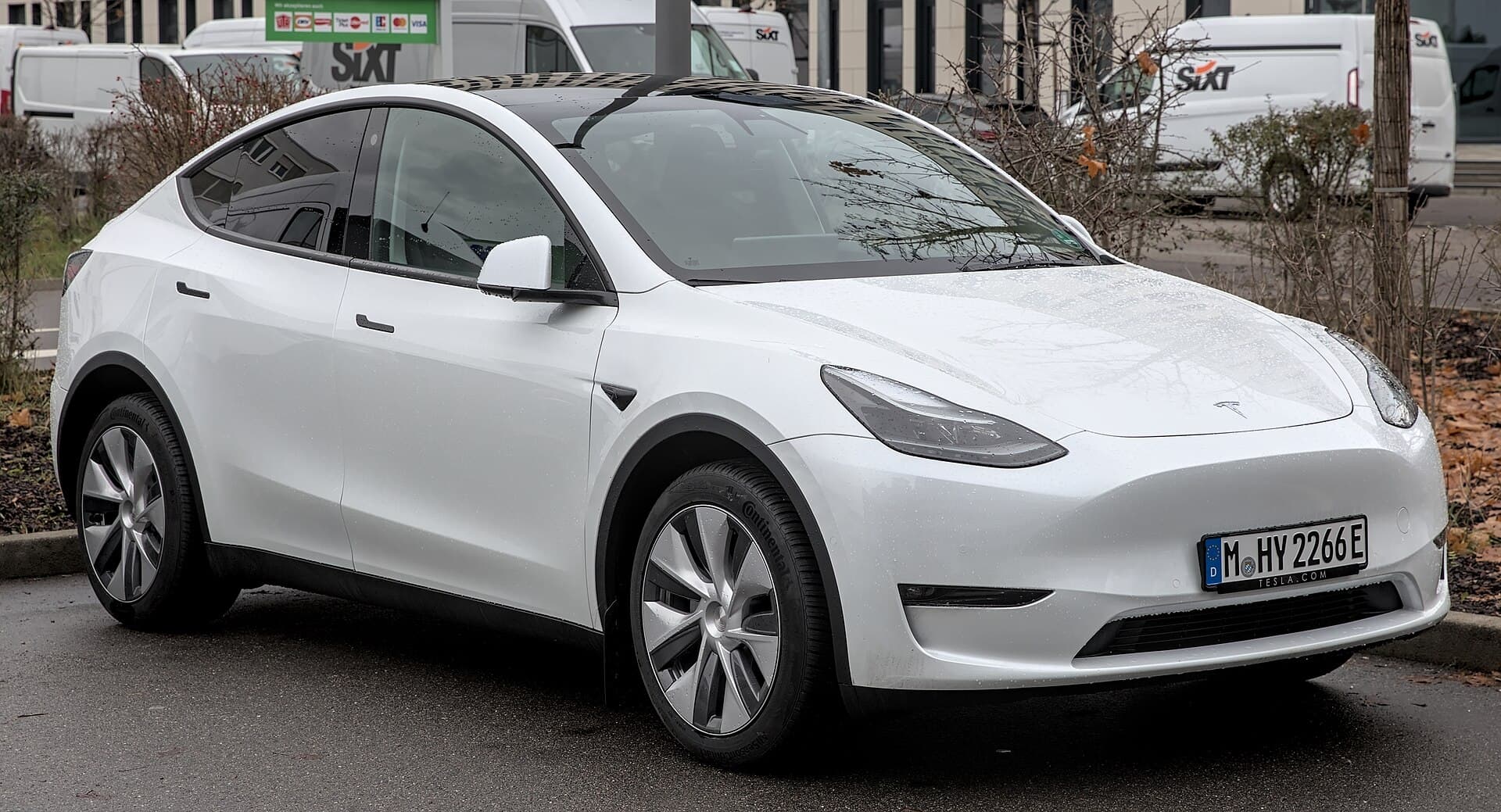
NHTSA cast the benchmark as a way to help consumers better understand the safety benefits of advanced technology as automakers chase five-star ratings that can influence sales and brand trust. The stakes are high. Pedestrian deaths in the United States reached 7,522 in 2022, the highest level since 1981. NHTSA estimated 39,345 traffic fatalities in 2024, with a fatality rate of 1.20 deaths per 100 million vehicle miles traveled, the lowest since 2019. In that context, the Model Y’s score is less a victory lap than a test case for how far federal oversight can keep pace with the industry’s push toward more automation.
This article was produced by Prism’s automated news system from verified source data, official records, and press releases, then run through automated quality and moderation checks before publishing. The system is built and supervised by the people who set the standards it runs under. Read our full AI policy.
Did this article answer your question?


