Tesla rolls out FSD Supervised in Lithuania after Dutch approval
Tesla’s supervised driving system has reached Lithuania, after Dutch regulators granted a type approval that still leaves the human driver fully responsible.
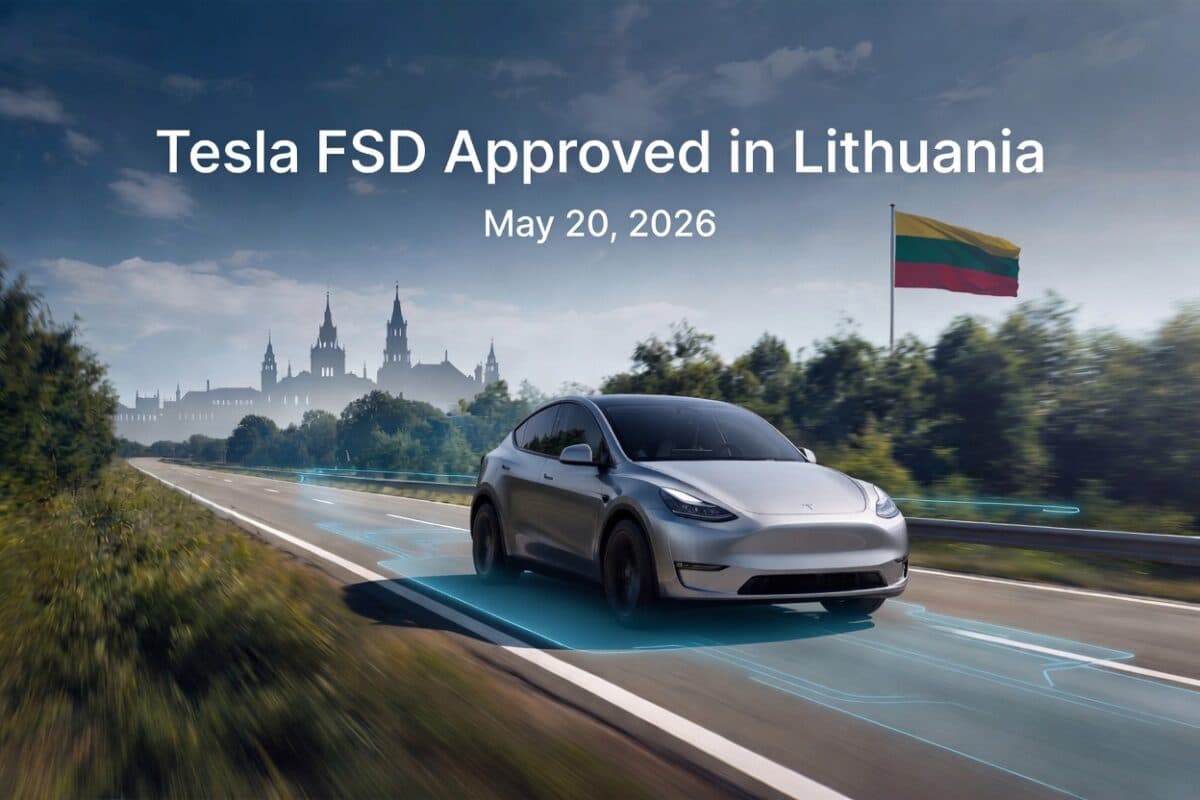
Tesla has begun rolling out FSD Supervised in Lithuania, extending a European launch that depends less on a single EU rule than on national approvals and regulator-by-regulator clearance. The move makes Lithuania the second European country to allow the system on public roads after the Netherlands, where Dutch authorities had already granted Tesla a type approval for the driver-assistance feature.
That Dutch approval, issued by RDW on April 10, 2026, followed more than one and a half years of testing on the agency’s test track and on public roads. RDW has said plainly that a vehicle using FSD Supervised is not self-driving and that the driver remains responsible at all times. That distinction sits at the center of the European debate: Tesla’s branding points toward autonomy, while the legal framework still treats the system as assisted driving, not automated driving.
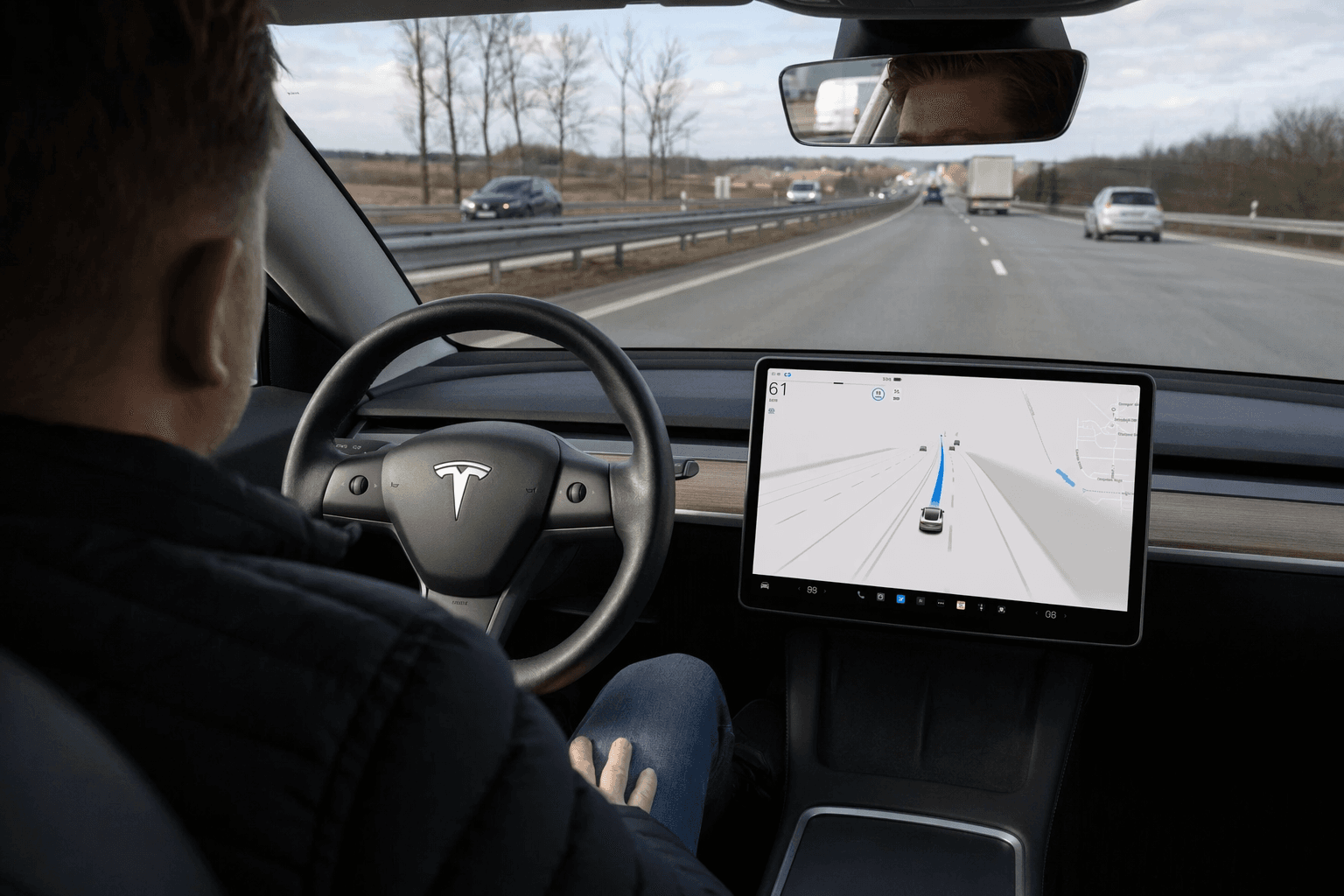
The wider regulatory backdrop helps explain why the rollout has moved country by country. UN Regulation No. 171 on Driver Control Assistance Systems entered into force on September 22, 2024, and classifies these systems as SAE Level 2, meaning the human driver must permanently monitor the vehicle and the surroundings. In practical terms, that allows steering and speed assistance under supervision, but it does not hand over responsibility to the car or let the driver disengage from the road. Europe’s safety culture has tended to keep that line firm, even as Tesla markets the software under a name that implies much more.
RDW said on April 13 that it had notified the European Commission of its plan to seek EU-wide approval for Tesla’s system, opening the possibility that the Dutch decision could become a pathway beyond one national market. The regulator had also noted on March 23 that Tesla’s application was drawing a large volume of media questions, a sign of how closely the file is being watched by road-safety advocates and policymakers across the continent.
Tesla’s push comes as the company says the market is large enough to matter. In its April earnings call, Tesla said it had nearly 1.3 million paying FSD customers globally. That customer base helps explain why Europe remains a strategic prize, but it also sharpens the scrutiny. For now, the technology is moving through Europe not as autonomous driving, but as a supervised system approved one country at a time, with the driver still legally in charge.
Know something we missed? Have a correction or additional information?
Submit a Tip