Tesla safety claims to European regulators face scrutiny over FSD data
Tesla carried self-published FSD safety figures into Europe as regulators weighed a provisional Dutch approval and Sweden reviewed an exemption request.
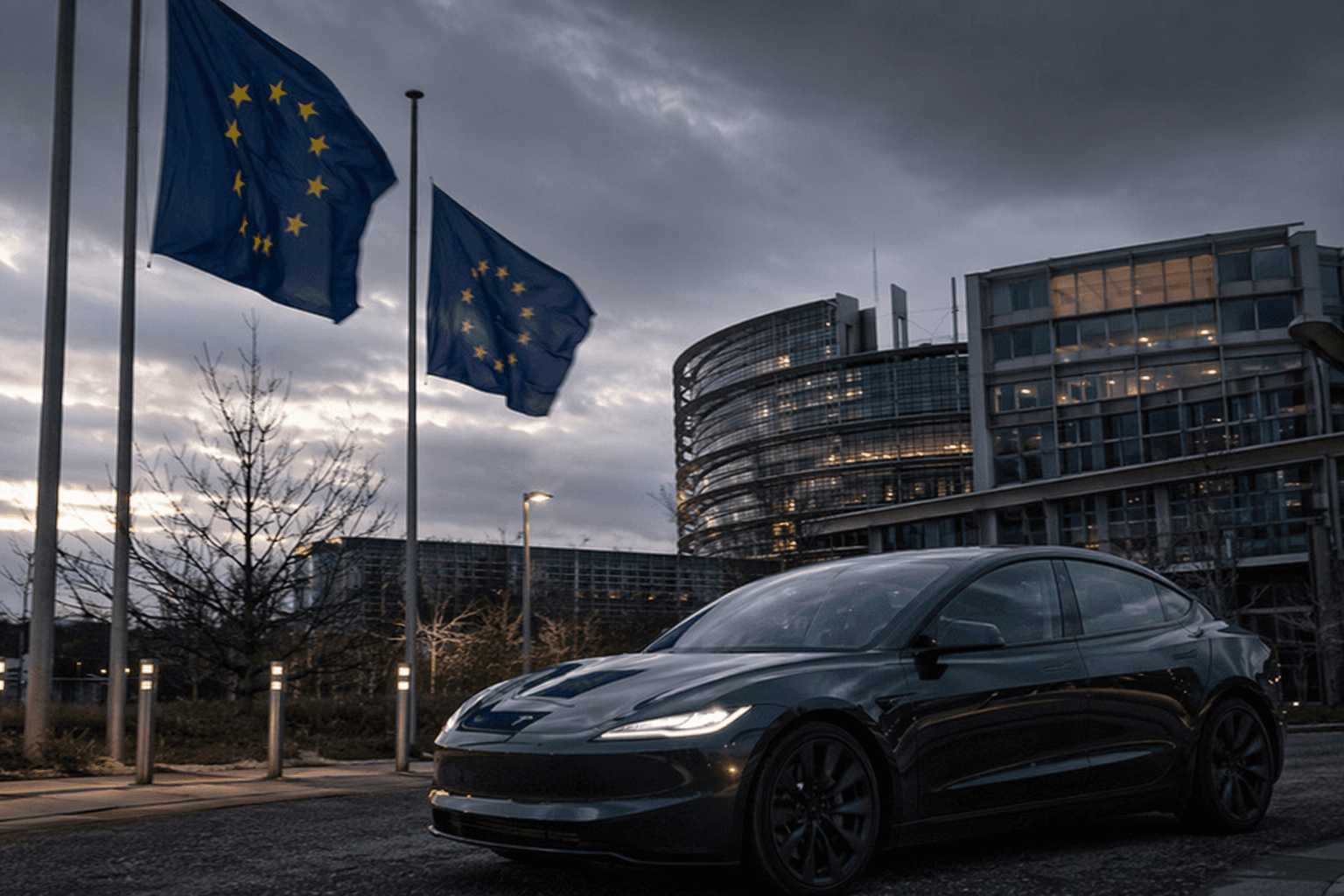
Tesla’s push to expand Full Self-Driving in Europe is running into a familiar problem: the company’s own safety math. The automaker presented self-published FSD statistics to regulators in Sweden and the Netherlands while seeking broader approval, even as traffic-safety researchers said the comparisons behind the numbers were misleading.
The dispute goes to the heart of how autonomous-driving systems are judged. Tesla has promoted figures suggesting FSD is up to 10 times safer than human drivers, but researchers said the underlying comparisons were not valid and inflated the system’s apparent safety. In one presentation to Swedish officials, Tesla reportedly went further, saying FSD could have prevented 32,000 deaths and 1.9 million injuries if widely adopted.
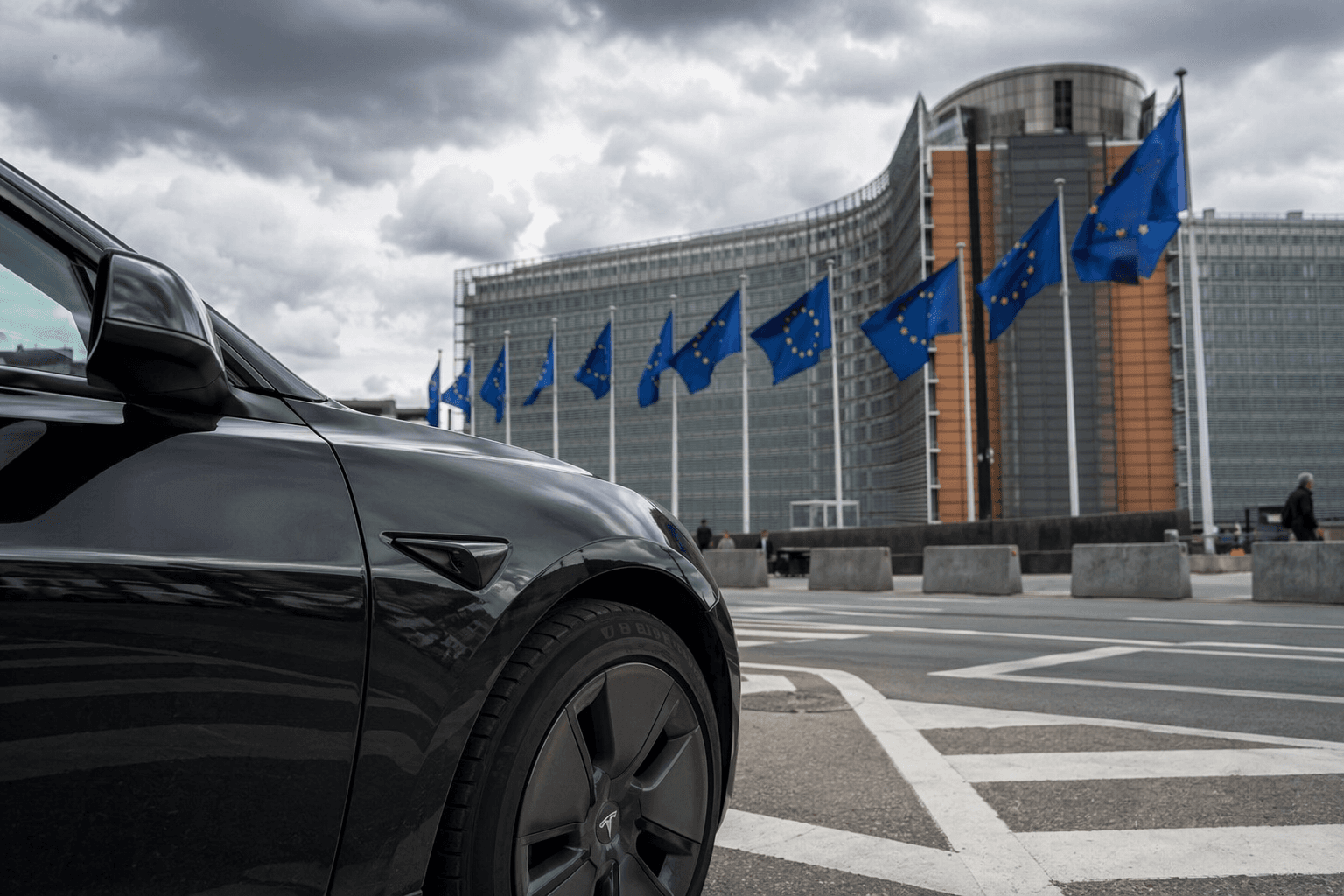
That is more than a marketing issue. It is a test of whether regulators accept company-generated evidence at face value or demand independent proof before allowing wider deployment. The scrutiny matters because Tesla is trying to regain market share in Europe while also winning permission to use FSD more broadly across the region. If regulators conclude the data is unsupported, the company could face delays, tighter conditions, or reputational damage at a moment when it is trying to rebuild momentum.
The Netherlands has already given Tesla a provisional EU type approval for FSD Supervised, but only under specific conditions. The approval, issued by RDW on April 10, 2026, is not a blanket Europe-wide authorization. RDW has said the approval is provisional and limited in scope, and it does not share details about ongoing manufacturer applications because the information is commercially sensitive.
In Sweden, the Transport Agency said Tesla is applying for an exemption from current rules and that the matter is being examined within an EU process. That means the company’s case is moving through a regulatory system designed to decide not just whether the software works, but whether the evidence supporting it is credible enough to justify broader use on public roads.
The European review also offers a clear warning for U.S. regulators. If a company can shape its safety narrative around self-published statistics and selective comparisons abroad, the same approach can influence expectations at home unless officials insist on independent benchmarks. For Tesla, the fight over FSD is no longer only about sensors, software and driver supervision. It is about whether regulators believe the numbers behind the promise.
This article was produced by Prism’s automated news system from verified source data, official records, and press releases, then run through automated quality and moderation checks before publishing. The system is built and supervised by the people who set the standards it runs under. Read our full AI policy.
Know something we missed? Have a correction or additional information?
Submit a Tip