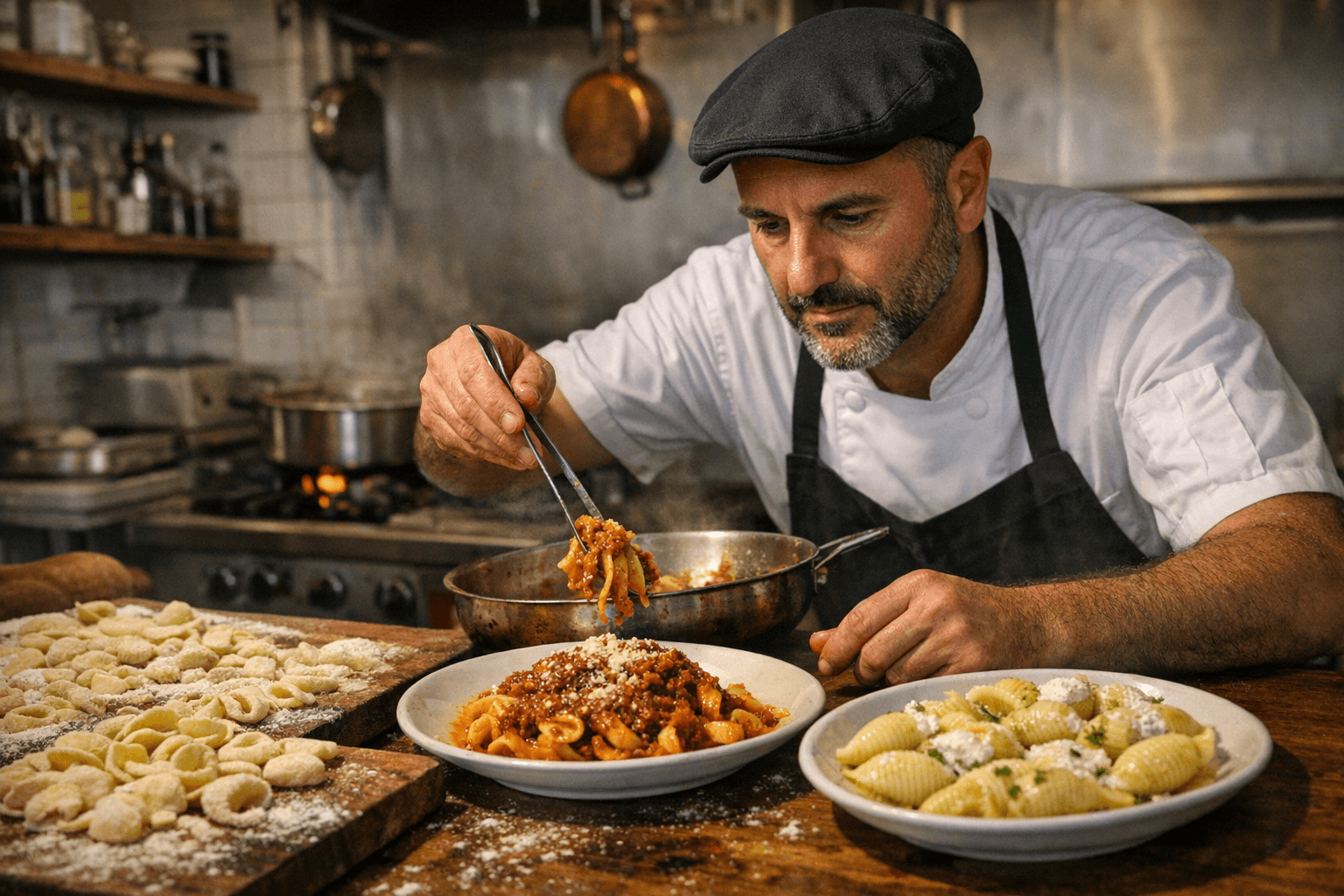
Tested Techniques for Home Pasta Makers: Water, Timing, Tools, Finish
Tested techniques clarify how water, timing, tools and finishing affect pasta results, helping home cooks improve texture and sauce adherence.
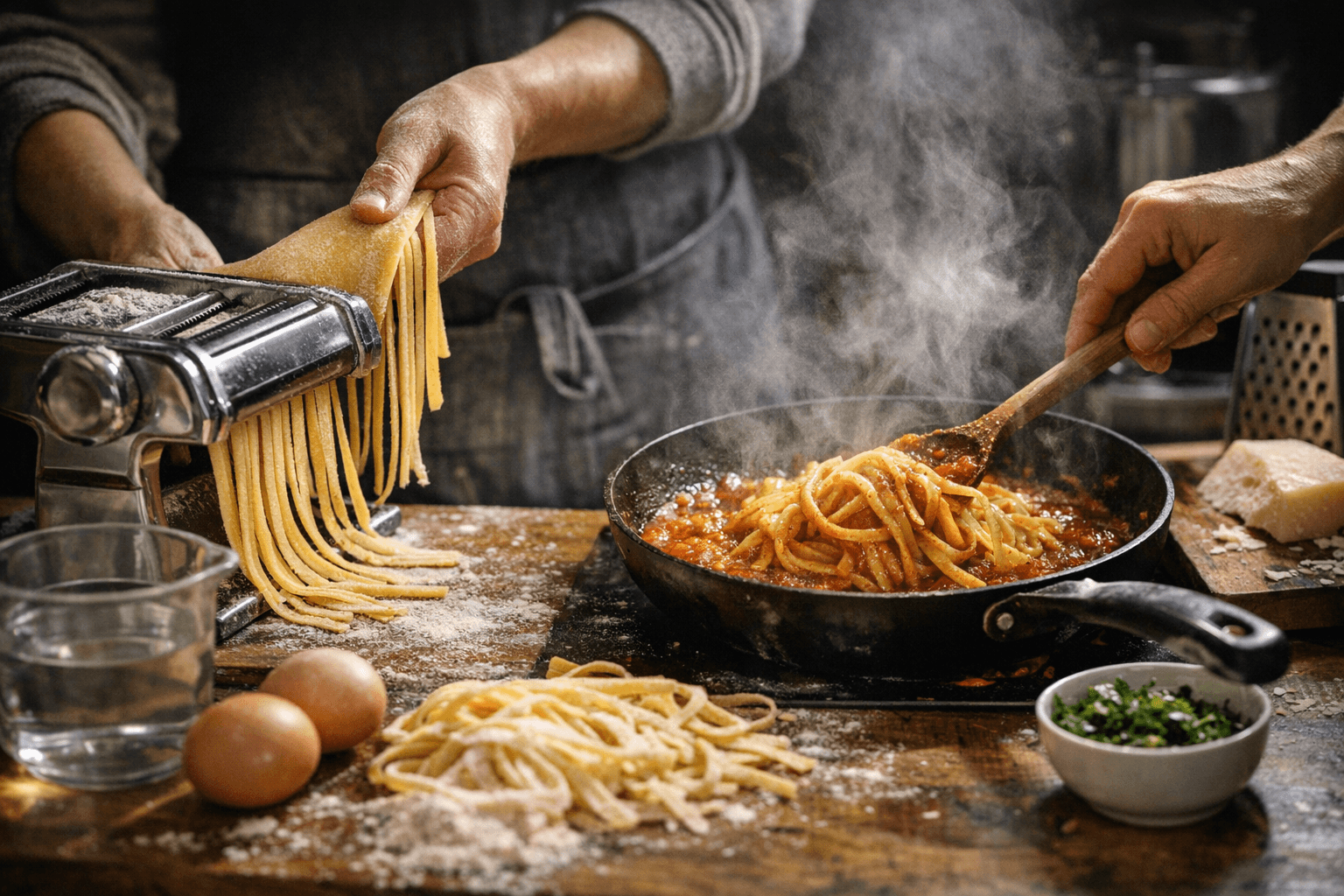
Home cooks testing simple, repeatable choices found the biggest gains in pasta come from decisions about water, timing, tools and the finishing move in the pan. Those four variables determine whether sauce clings, strands separate cleanly, and fresh sheets hold up through a toss.
Water chemistry and volume matter more than ritual. A large pot of vigorously boiling water steadies temperature and reduces sticking for long shapes, while a smaller, more concentrated boil produces a starchier cooking liquid that helps sauces bind to noodles. Salt remains the primary seasoning agent for pasta water; salting early is the primary way to flavor the pasta itself rather than relying on the sauce alone. Reserve a cup of the starchy cooking liquid before draining; that liquid is the workhorse for emulsifying oil or butter into a glossy, clingy sauce.
Timing is not interchangeable between dried and fresh pasta. Fresh pasta cooks far faster and yields a more tender, delicate bite; dried pasta takes longer, delivers a firmer tooth and stands up better to chunky ragus or braised meats. Because fresh dough is more fragile, watch the pot closely and move to a saucing pan early so the pasta finishes cooking while absorbing sauce flavors.
The finishing technique changes results more than an extra minute in the pot. Move drained or nearly drained pasta into a sauté pan with the sauce and a spoonful or two of reserved starchy water. Toss over medium heat until the sauce emulsifies and clings; the pan finish melds starch and fat into a smooth coating rather than leaving sauce pooled beneath strands.
Practical gear choices make routine work easier. Hand rollers and pasta machines create even sheets; a bench knife or bench scraper is essential for portioning sheets and cutting widths cleanly; a spider or perforated skimmer allows fast lifts from boiling water without excess water, preserving sauce balance. Invest in one reliable tool at a time rather than every gizmo at once.
Common troubleshooting items are straightforward. Avoid stickiness by dusting with semolina or flour at each stage and by making sure dough has relaxed before rolling. Resting the dough helps gluten relax, making sheets smoother to roll. Freeze fresh pasta on a tray before bagging to prevent clumping and to maintain texture when cooking from frozen.
These tested techniques put practical control back in your hands. Apply the water strategy that matches the sauce, respect the differences between fresh and dried, finish in the pan, and pick a few sensible tools. Small, deliberate changes yield a bigger payoff at the table than chasing complex recipes.
Know something we missed? Have a correction or additional information?
Submit a Tip