Tether freezes $4.2 billion USDT tied to illicit activity
Tether says it froze about US$4.2 billion of USDT linked to illicit activity, including nearly US$61 million seized with the DOJ; most freezes occurred since 2023.
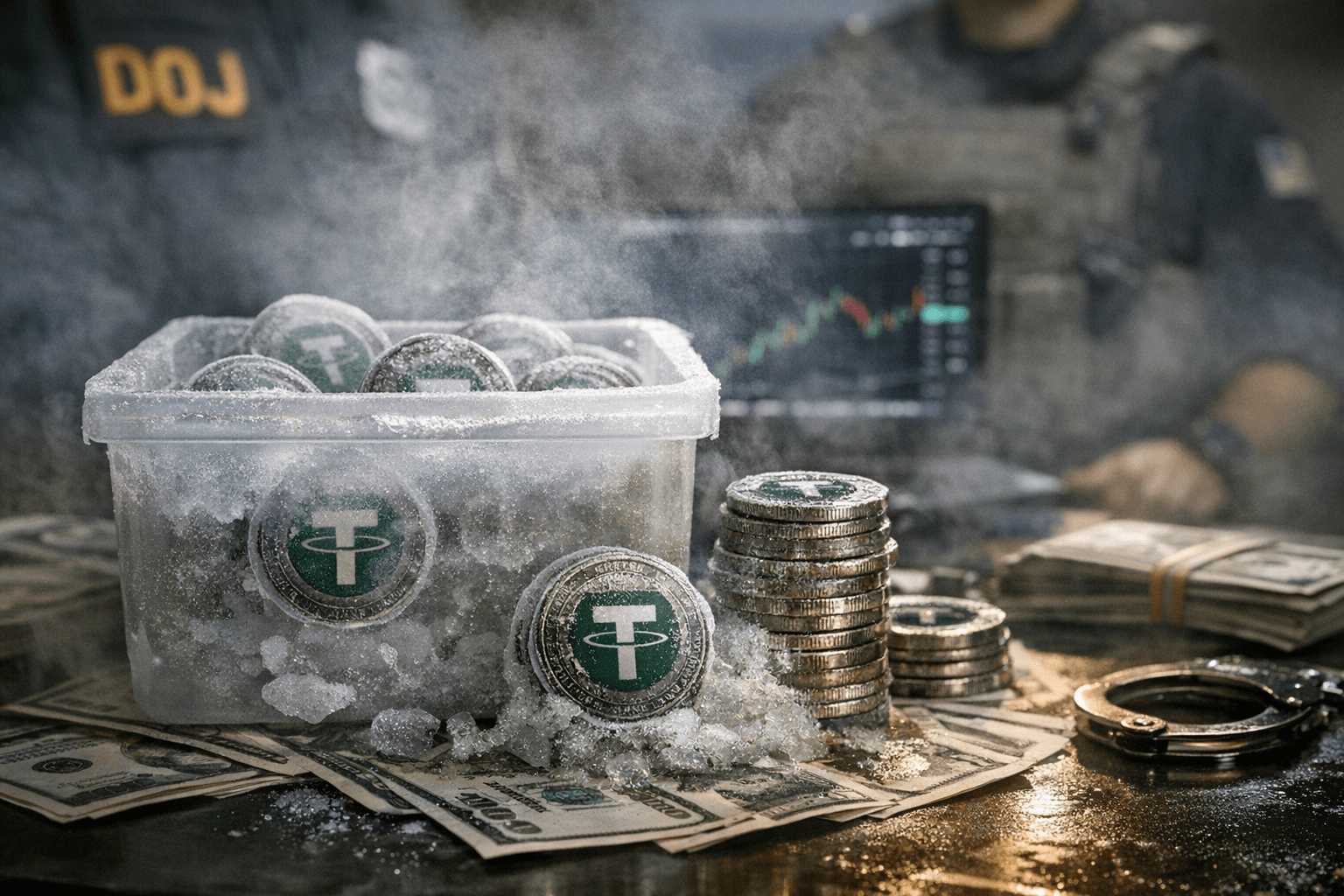
Tether said it froze about US$4.2 billion of its dollar-pegged token USDT that the company links to "illicit activity," with roughly US$3.5 billion of that amount frozen since 2023, a Tether spokesperson said in emailed comments late on Thursday. The company said the action included assistance to the U.S. Department of Justice in freezing nearly US$61 million of USDT tied to so-called "pig-butchering" fraud.
The scale of the freezes highlights how centralized controls at a leading stablecoin issuer intersect with law enforcement priorities and financial stability. Tether reported that more than US$180 billion of USDT is now in circulation, up from around US$70 billion three years ago, making its token a dominant vehicle for crypto trading and, critically, for cross-border transfers that regulators scrutinize for illicit finance risks.
Tether described its technical ability to remotely freeze tokens held in users' crypto wallets when asked by law enforcement, and said it has previously blocked wallets linked to human trafficking and "terrorism and warfare" in Israel and Ukraine. Sanctioned Russian crypto exchange Garantex reported last year that Tether had blocked funds on its platform, showing how freezes can ripple through trading venues and sanctioned environments.
Blockchain researchers have estimated that money launderers received at least US$82 billion in cryptocurrencies last year, compared with about US$10 billion in 2020, a surge that regulators point to when urging tougher controls. The Financial Action Task Force last year called on countries to take stronger action to combat illicit finance in crypto markets, framing a policy backdrop in which private firms like Tether become operational partners for authorities.
The company’s disclosure raises immediate policy questions. Centralized freeze power can be a force-multiplier for law enforcement, enabling rapid disruption of fraud and trafficking networks that exploit crypto rails. At the same time, that same technical capability concentrates discretion over asset mobility in a private actor with limited public accountability. Regulators and legislators face trade-offs between empowering rapid intervention and requiring transparent, legally grounded procedures that protect due process and avoid overreach.
Market implications are material. USDT’s outsized share of trading volumes makes freezes potentially consequential for liquidity and price stability in crypto markets. The incident with Garantex and Tether’s cooperation with the DOJ also underline cross-border enforcement frictions: freezes can support sanctions and criminal probes but may also expose users and exchanges to sudden access constraints.
Tether’s public numbers leave unanswered operational details that bear on oversight: the company has not provided a breakdown of which wallet addresses were frozen, the legal standards it applies beyond law enforcement requests, or a year-by-year accounting of the roughly US$700 million frozen prior to 2023. Those gaps point to a practical demand from policymakers and the public for clearer disclosure standards for stablecoin issuers.
As authorities press for tougher anti-money-laundering measures in crypto, the Tether freezes illustrate both the potential and the limits of relying on private firms to police global financial flows. The episode is likely to intensify debates in legislatures and regulatory agencies over governance requirements, transparency obligations, and the balance between enforcement effectiveness and civil liberties in digital-asset markets.
This article was produced by Prism’s automated news system from verified source data, official records, and press releases, then run through automated quality and moderation checks before publishing. The system is built and supervised by the people who set the standards it runs under. Read our full AI policy.
Did this article answer your question?