Texas Opens Probe Into Shein Over Labor, Product Safety Concerns
Texas Attorney General Ken Paxton announced an investigation into Shein on December 1, 2025, saying prosecutors will examine possible breaches of state law on labor practices, hazardous materials, misleading safety claims, and data privacy. The move follows action in Europe and intensifies scrutiny that could reshape regulatory oversight of fast fashion, with implications for consumers, suppliers, and global apparel e commerce.
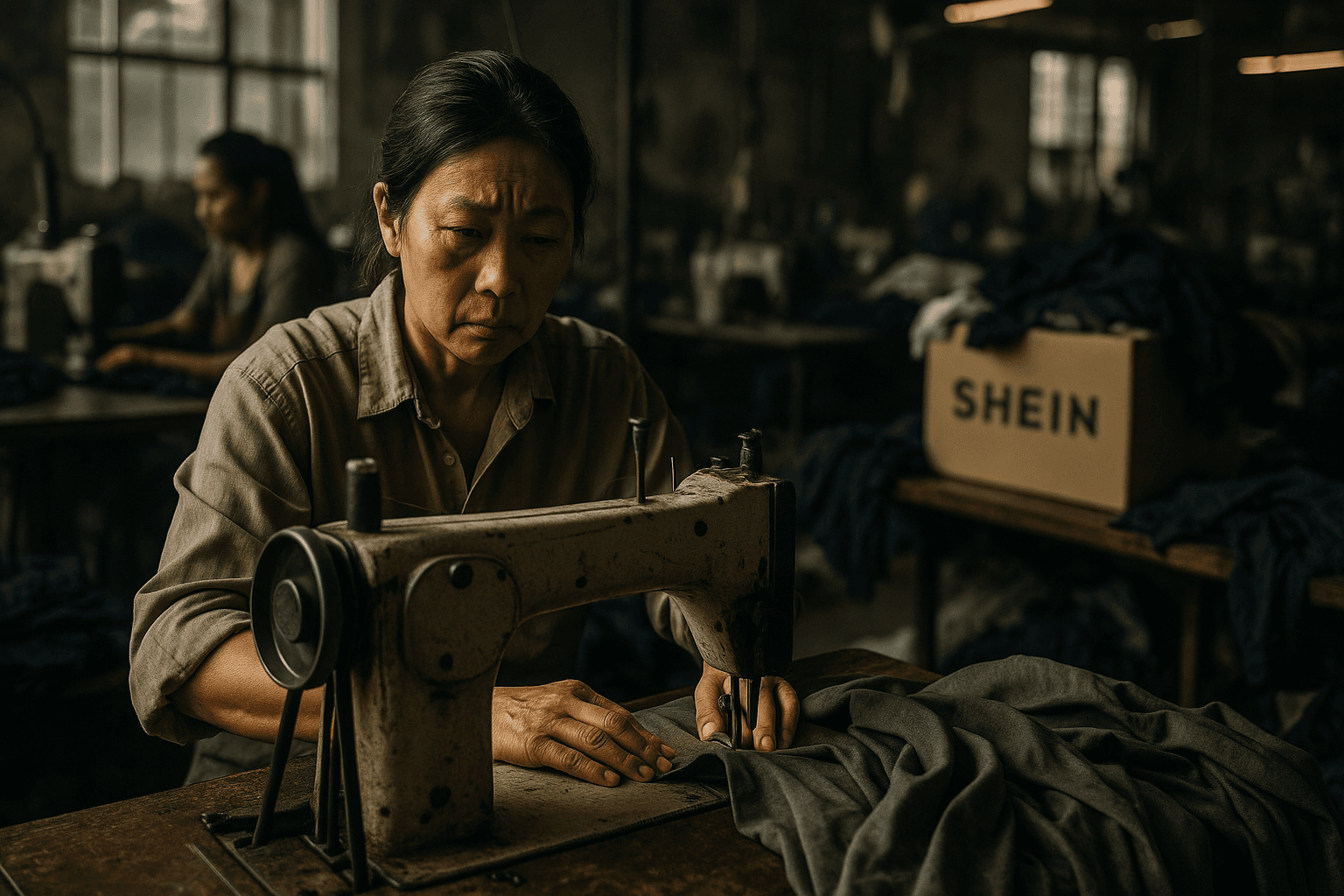
Texas prosecutors launched an inquiry into Shein on December 1, 2025, expanding scrutiny of the fast fashion retailer that has already attracted attention from European regulators. Attorney General Ken Paxton said the probe will examine whether Shein violated state statutes related to unethical labor practices, the use of toxic or hazardous materials, misleading product safety claims, and data privacy issues. The investigation arrives after France’s consumer fraud agency identified unlawful listings on the platform, a development that has spurred parallel concern across jurisdictions.
The Texas inquiry targets four discrete areas of law, reflecting a broader regulatory strategy that treats marketplace practices, product chemistry, worker conditions, and personal data as interconnected risks. For Shein, a company built on rapid turnover of low cost garments produced through complex global supply chains, the investigation increases the legal and compliance burden at a time when governments in both the United States and Europe are stepping up enforcement of consumer protection and environmental rules.
Market participants said the probe could have multiple channels of impact. For consumers, the inquiry underscores questions about product safety claims and chemical content in inexpensive apparel and accessories. For suppliers and logistics partners, a high profile enforcement action could prompt more stringent auditing and documentation demands, increasing costs and slowing a model that relies on speed and cost efficiency. For investors and competitors, heightened enforcement raises the prospect of reputational damage and liability exposure that may alter competitive dynamics in fast fashion and broader online retail.
Regulatory authorities have several enforcement tools they can deploy if they find violations. Potential outcomes include civil penalties, product recalls, requirements to improve labeling and disclosures, injunctive relief, and mandates to change business practices. In the data privacy domain, findings could trigger orders to change data handling or to face fines tied to consumer protection statutes. The specific remedies will depend on what prosecutors uncover during document review and any subsequent investigations.
This enforcement push also fits a larger trend. Over the past several years regulators have intensified examinations of global e commerce platforms for product safety gaps and opaque supply chains. European agencies have combined chemical safety rules with consumer protection enforcement to remove unsafe listings, while several U.S. states have pursued companies over labor sourcing and deceptive claims. The Texas action signals that those U.S. state level efforts are unlikely to abate even if federal regulation remains uneven.
For Shein, which has relied on rapid product cycles and aggressive pricing to capture market share, the immediate challenge will be managing legal risk while maintaining operations. The longer term question is whether renewed regulatory pressure will force structural changes in sourcing, transparency, and compliance. If the probe leads to enforcement, the cost of doing business for ultra low cost apparel could rise, potentially reshaping an industry already under public and policy pressure over sustainability, worker welfare, and consumer safety.
This article was produced by Prism’s automated news system from verified source data, official records, and press releases, then run through automated quality and moderation checks before publishing. The system is built and supervised by the people who set the standards it runs under. Read our full AI policy.
Did this article answer your question?