Texas runoff races test new congressional map after GOP redistricting
Texas Republicans drew a map to gain five Democratic seats, but it instead forced GOP-friendly districts into bruising runoffs that exposed fractures inside the party.
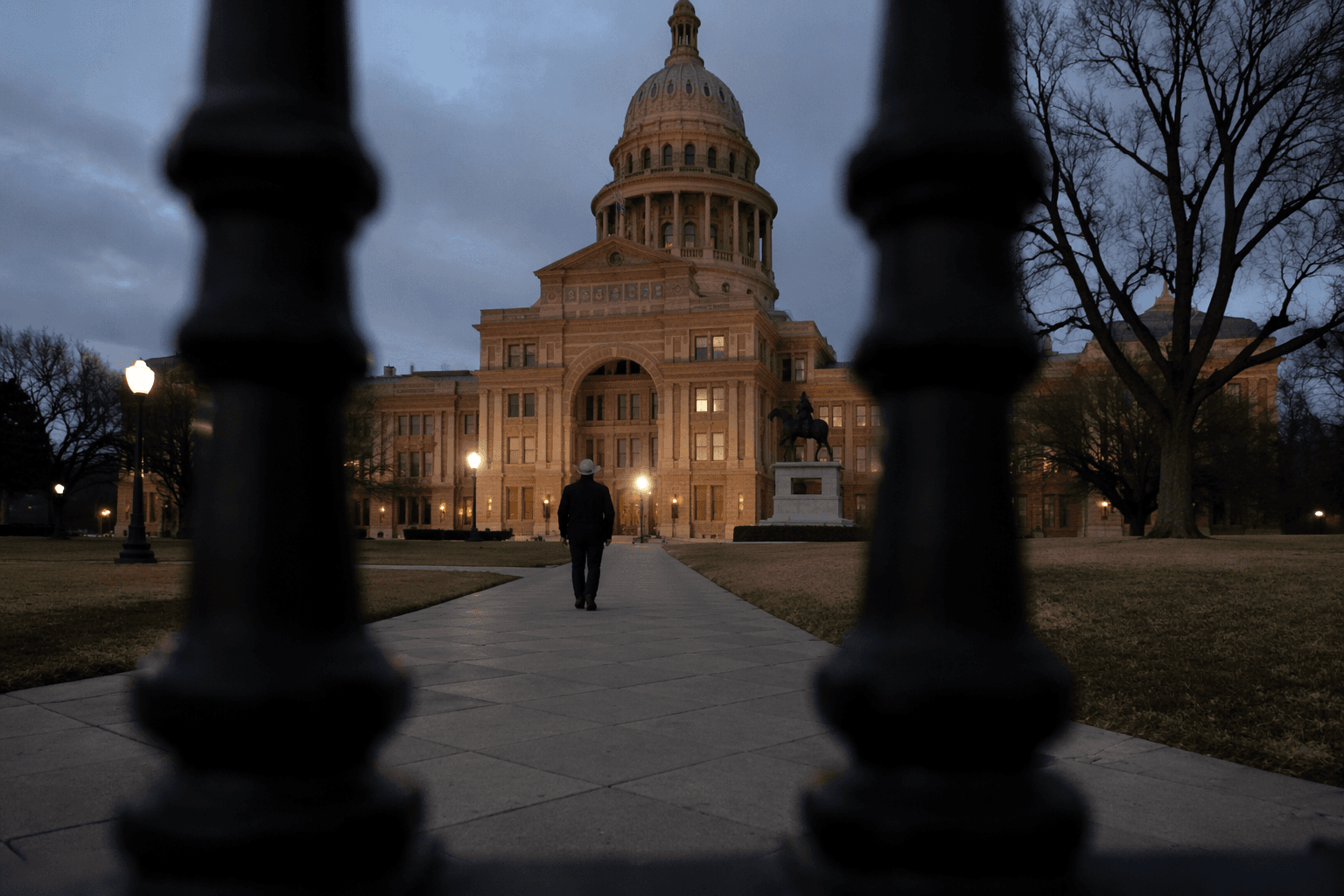
Texas Republicans set out to redraw the state’s congressional map to their advantage, but the first test of the new lines showed an unintended result: the party’s own map is now forcing Republican-on-Republican fights that may reveal who really holds power inside Texas GOP politics.
The May 26 runoffs finalized the ballot for the first general election held under the new map, after early voting ran May 18-22. Mid-decade redistricting began in July 2025 under pressure from President Donald Trump and Gov. Greg Abbott, with Republican mapmakers aiming to shift five Democratic seats into the GOP column. Abbott signed the map on August 29, 2025, and the U.S. Supreme Court later allowed it to be used in the 2026 elections.
The clashes have been especially sharp in Houston. In the 18th Congressional District, Democratic incumbents Al Green and Christian Menefee were forced into the same contest after mapmakers moved much of Green’s longtime base, including his home, out of the 9th District and into the neighboring 18th. The 9th was redrawn to include rural Liberty County and tilt Republican. Menefee, who already had momentum from his special-election win to finish the late Sylvester Turner’s term, led Green in the March primary but not by enough to avoid a runoff. The race is a vivid example of how partisan line-drawing can scramble local representation and leave longtime voters with fewer familiar choices.
The new 35th Congressional District, drawn to favor Republicans yet still seen as potentially competitive in a wave year, also pushed the party into an intraparty fight. Two Democrats and two Republicans advanced to the runoffs there. Among the Republicans, state Rep. John Lujan faced businessman Carlos De La Cruz, who won Trump’s endorsement. The district’s shape may have been intended to strengthen the GOP, but the runoff instead became a test of which Republican faction can claim the mantle in a rapidly changing San Antonio-area seat.
The stakes are larger than one cycle. Texas has 38 congressional districts, and Republicans hold a 25-13 edge over Democrats. Civil-rights advocates warned the map could dilute the voting power of communities of color, while analysts cautioned that pushing too many Republican voters around could make some seats less safe, not more. Texas Democrats responded with protest, including a walkout last August that delayed passage of the map. The fight echoed 2003, when Tom DeLay’s mid-decade redistricting effort prompted Democratic lawmakers to flee the state and helped Republicans gain six seats, flipping the delegation from 17 Democrats and 15 Republicans to 21 Republicans and 11 Democrats by 2004.
This article was produced by Prism’s automated news system from verified source data, official records, and press releases, then run through automated quality and moderation checks before publishing. The system is built and supervised by the people who set the standards it runs under. Read our full AI policy.
Know something we missed? Have a correction or additional information?
Submit a Tip