TGA Proposes Stricter Sunscreen Rules Following Product Recalls and SPF Scandal
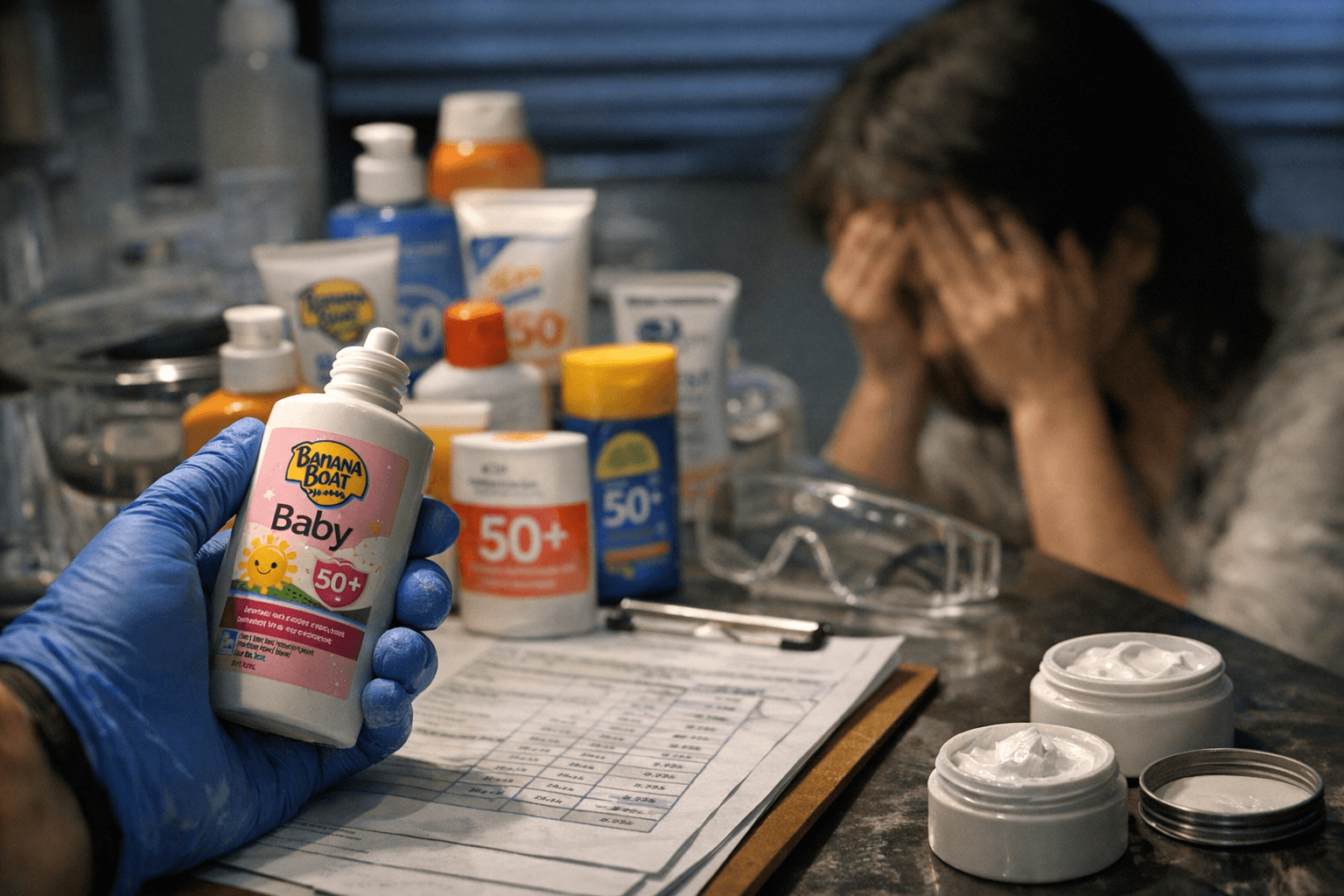
After 21 sunscreens were pulled from Australian shelves, the TGA now wants to overhaul SPF testing and simplify labels — because Banana Boat Baby Zinc tested at SPF 28, not 50+.

A growing sunscreen scandal saw 21 products pulled from Australian shelves after regulators found that several popular brands massively overstated their sun protection, with some products marketed as SPF50+ found to provide as little as SPF4. The Therapeutic Goods Administration has now responded with sweeping proposed rule changes it says will prevent a repeat.
CHOICE tested 20 popular SPF50 or SPF50+ sunscreens and found 16 of them didn't meet their SPF claims, with products chosen from a range of brands, retailers, and price points and tested by experts in a specialised, accredited sunscreen lab. Four products returned SPF results in the 40s, four dropped into the 30s, and seven landed in the 20s. The lowest result belonged to Ultra Violette's Lean Screen SPF 50+ Mattifying Zinc Skinscreen, which returned an SPF of just 4. Among the more recognisable names, Banana Boat Baby Zinc Sunscreen Lotion SPF 50+ tested at 28, while the Coles SPF 50+ Sunscreen Ultra Tube tested at 43.
The issue centres on a shared base formula made by Wild Child Laboratories, used in sunscreens sold by 17 different companies, which preliminary TGA tests indicated was unlikely to deliver more than SPF21. The TGA is also investigating Princeton Consumer Research Corp, a UK-based lab used by many of the brands involved, raising "significant concerns" about PCR's reliability and noting that several of the faulty SPF claims were based on their test results.
In a report, the TGA found that the regulator is continuing to scrutinise both the reliability of SPF testing and the adequacy of evidence to support labelling claims. The TGA's own findings were stark: SPF testing data from certain laboratories appeared unreliable, and some product owners and manufacturers lacked an understanding about their legal obligations.
The proposed reforms are substantial. The TGA wants to overhaul SPF testing methodology in Australia and simplify consumer labels from specific numbers to broader categories: low, medium, high, or very high protection. Additional proposals include adopting new testing technologies faster, strengthening oversight of testing laboratories, and improving quality assurance through regular testing and tighter ingredient standards. The regulator also flagged that current exemption rules for some cosmetic sunscreens had been described as complex.
"Given Australia has the highest rates of skin cancer and melanoma in the world with around 2000 people dying each year, it is critical that the regulatory settings are appropriate to ensure consumer confidence in sunscreens," a TGA spokesman said. The proposals, the spokesman added, were intended to strengthen confidence in sunscreen performance.
The industry has broadly welcomed the direction. The scandal first erupted in June when CHOICE published its test results, which found that 16 products underperformed, including big names like Bondi Sands, Banana Boat, and Cancer Council. By November 2025, Accord, the peak body for Australia's hygiene, cosmetic and personal care sector, convened its own forum to map out the industry's response. Accord called for a more practical risk assessment approach to regulation, better consumer education on what SPF numbers actually mean, and greater harmonisation with EU and US testing standards to help Australian manufacturers stay competitive globally.
The TGA is now exploring alternatives to the current human-subject testing methodology, including in-vitro methods aligned with updated ISO standards, to enhance accuracy and reduce discrepancies.
CHOICE CEO Ashley de Silva stressed that the findings do not mean sunscreen stops working altogether: "While some specific sunscreens did not meet their claimed SPF, a sunscreen with an SPF of 30 or even 20 still offers a significant amount of sunscreen protection, and any sunscreen is better than none at all." That nuance, however, may do little to restore the confidence of a sunscreen market shaken by recalls and a regulator now openly acknowledging the system it oversaw had failed consumers.
This article was produced by Prism’s automated news system from verified source data, official records, and press releases, then run through automated quality and moderation checks before publishing. The system is built and supervised by the people who set the standards it runs under. Read our full AI policy.
Did this article answer your question?