Thai princess Bajrakitiyabha’s condition worsens after severe infection, palace says
Princess Bajrakitiyabha’s health has worsened after severe infections spread through multiple organs, deepening concern over Thailand’s royal continuity.

Princess Bajrakitiyabha Narendira Debyavati’s worsening condition has sharpened attention on Thailand’s royal succession and the stability of the monarchy, as the Bureau of the Royal Household said severe and uncontrolled infections had spread through multiple vital organs and doctors could not stabilize her irregular heart rate.
The 47-year-old princess, the eldest daughter of King Maha Vajiralongkorn, has been hospitalized at King Chulalongkorn Memorial Hospital in Bangkok since December 15, 2022, after collapsing during military dog training. She has remained in a coma since that episode, and the palace said its May 21 statement was the seventh official update on her illness, underscoring how closely the royal family’s medical disclosures are being watched.
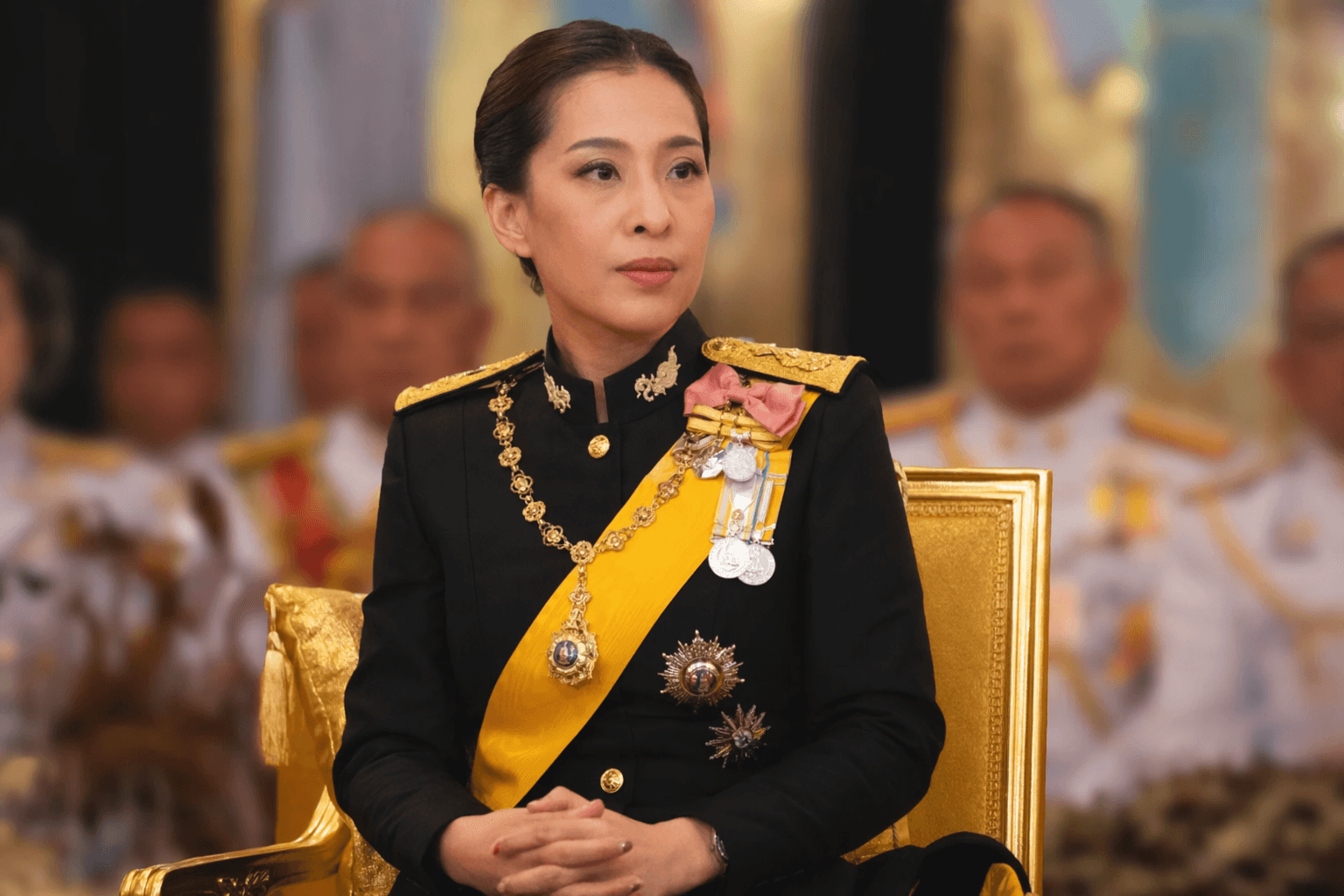
The latest deterioration carries political weight beyond the personal tragedy. As the king’s eldest daughter, Bajrakitiyabha has been one of the most prominent figures in discussions about the monarchy’s future, even as Thailand’s succession framework remains tightly linked to the palace and the broader institutions around it. Her prolonged incapacity has left a central question of royal continuity unresolved and has kept public focus on a dynastic order that is normally handled with little openness.
Before her illness, Bajrakitiyabha had built an unusually visible public profile in law, diplomacy and criminal justice. She represented Thailand at the 60th session of the United Nations General Assembly in New York and later served in UN-related justice and rule-of-law roles, including work with the United Nations Office on Drugs and Crime. She also served at Thailand’s Permanent Mission to the United Nations and was elected chairperson of the UN Commission on Crime Prevention and Criminal Justice.
Her work extended to the Thailand Institute of Justice, and she was known for advocacy on human rights, migration and legal reform. That background made her one of the few senior royals with an international, policy-focused resume, and her long absence from public life has left a visible gap in both the royal family’s public face and the country’s succession calculus.
Know something we missed? Have a correction or additional information?
Submit a Tip