Thailand and U.S. accelerate LNG supply talks after Qatar strikes
Qatar’s LNG damage has jolted Asian buyers, and Thailand is moving faster on U.S. supply talks as 17% of Qatar’s export capacity goes offline.

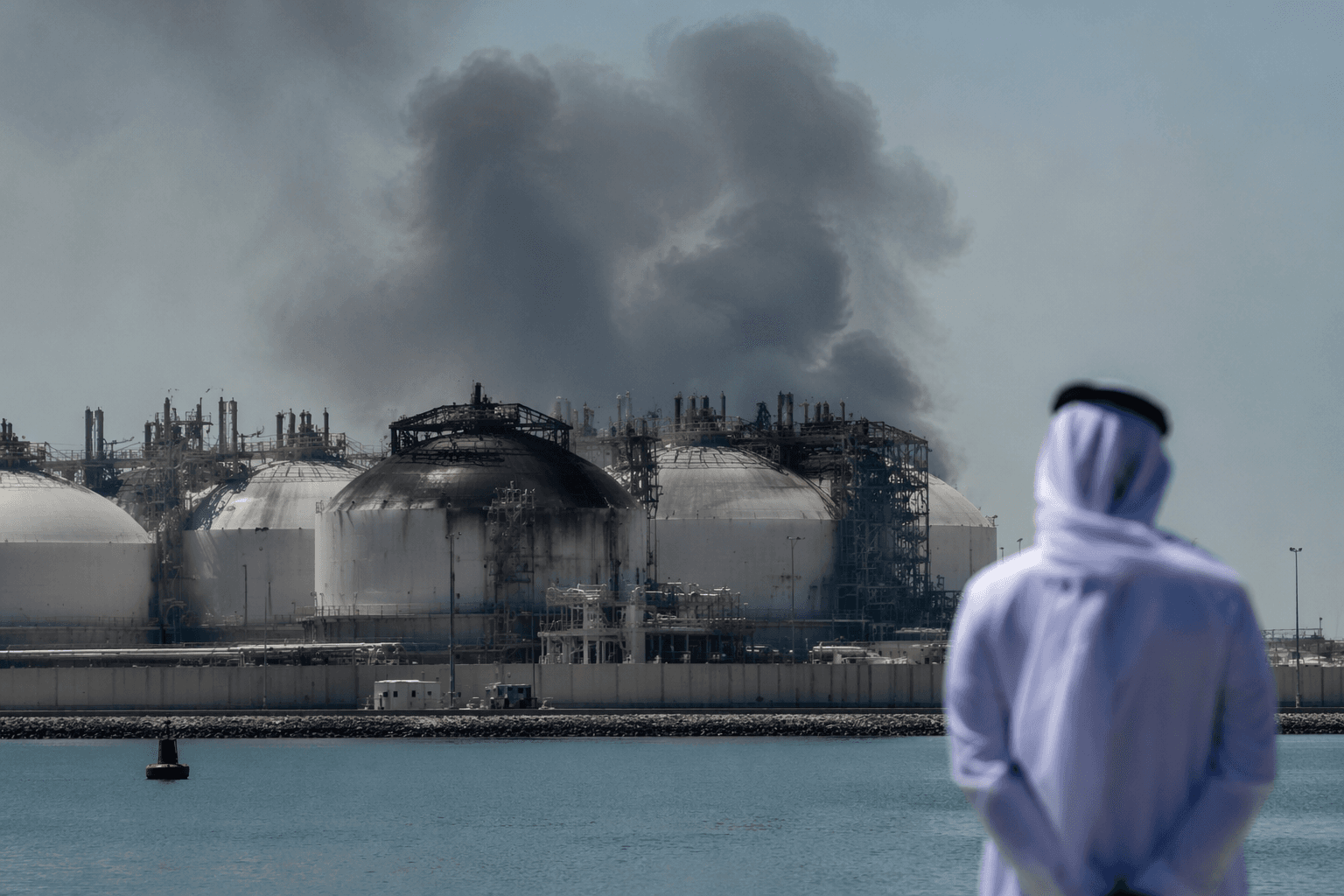
The strikes that hit Qatar’s Ras Laffan gas hub have done more than damage plants. They have tightened global LNG markets, sharpened energy diplomacy and pushed Thailand into faster talks with U.S. suppliers, as buyers across Asia look for longer-term security after QatarEnergy said 17 percent of its export capacity was knocked out.
The center of the negotiations is a binding supply deal between Venture Global and Thailand’s state-controlled PTT PCL. The timing matters. QatarEnergy said on March 19 that repairs to the damaged facilities could take three to five years, that two of its 14 LNG trains were hit and that the disruption could cost about $20 billion a year in lost revenue. With Qatar the world’s second-largest LNG exporter after the United States, the loss of 12.8 million metric tons a year from Ras Laffan is reverberating through contracts serving Europe and Asia.
For Thailand, the pressure is strategic as well as commercial. The country is Southeast Asia’s biggest LNG importer and already brings in about 6 million metric tons a year through spot trade, according to Reuters-linked reporting in March. Industry reporting has also cited Kpler data showing Thailand imported a record 11.7 million metric tons in 2023. That dependence has made Bangkok more eager to shift volumes from short-term spot purchases into term contracts as domestic gas production declines and power demand rises.
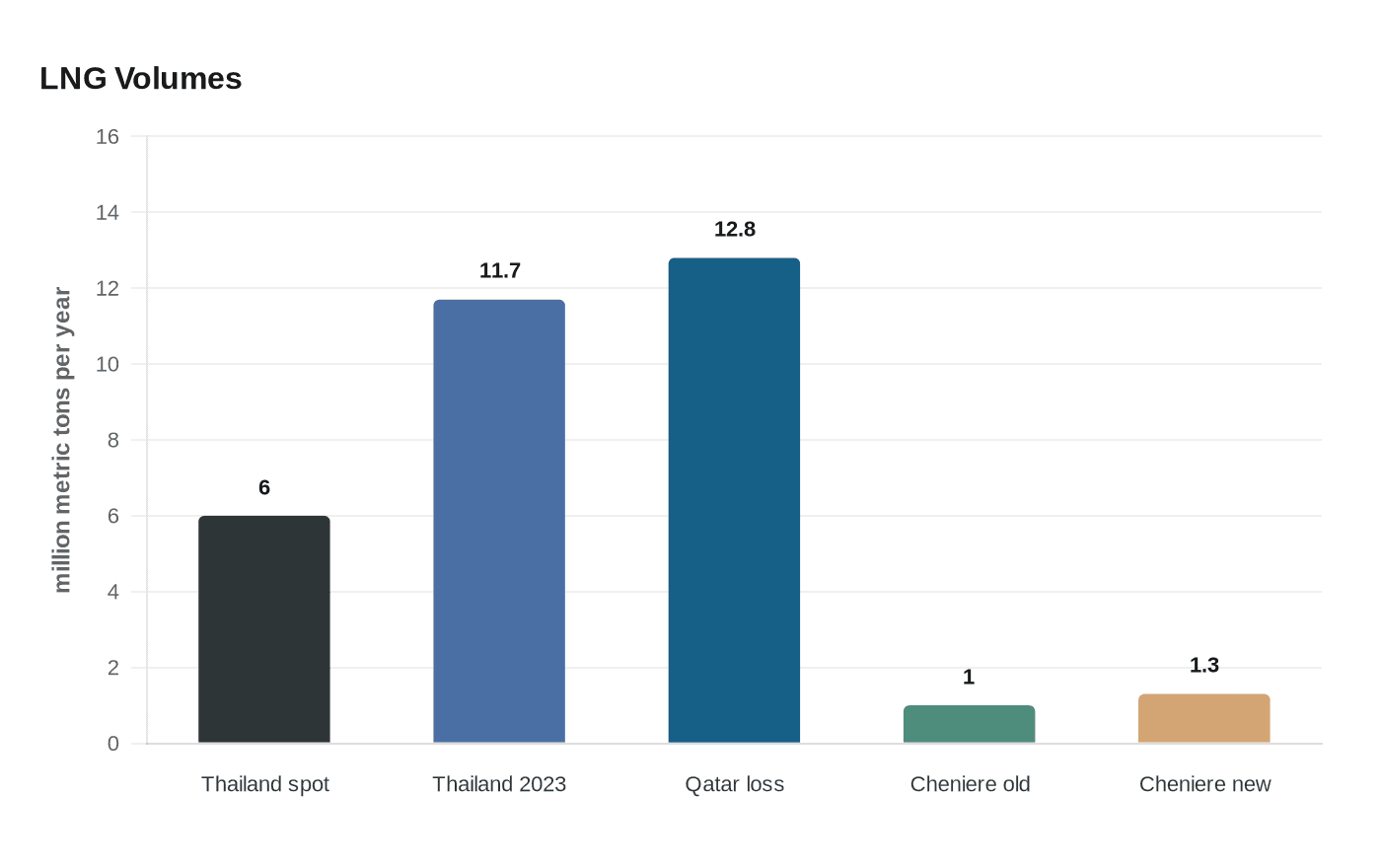
Washington has already been laying the groundwork. In October 2025, the White House and Thailand framed a reciprocal trade framework that pointed to about $5.4 billion a year in Thai purchases of U.S. energy products, including LNG, crude oil and ethane. Thailand’s energy minister said on March 14 that the government and PTT were discussing Cheniere Energy as well, with deliveries potentially rising from 1.0 million to 1.3 million tonnes a year under an existing contract through 2041 and some cargoes possibly pulled forward to the second quarter of 2026. Cheniere chief executive Jack Fusco has said the company was already running at full capacity as Asian customers asked for more LNG.
PTT is also hedging beyond the United States. The company has been negotiating with Oman LNG on additional supply, including a possible nine-year contract starting in 2026. But if Venture Global and PTT seal a long-term deal, the signal will be broader than one contract: wartime damage in Qatar is redrawing the bargaining power of gas buyers and sellers, and giving U.S. exporters a stronger foothold in Asia just as energy security becomes a diplomatic weapon.
This article was produced by Prism’s automated news system from verified source data, official records, and press releases, then run through automated quality and moderation checks before publishing. The system is built and supervised by the people who set the standards it runs under. Read our full AI policy.
Did this article answer your question?

