Thailand scraps Cambodia offshore energy pact after border tensions escalate
Thailand has scrapped a 25-year offshore pact with Cambodia, reopening a disputed Gulf of Thailand energy zone and testing investor confidence, border diplomacy and ASEAN unity.
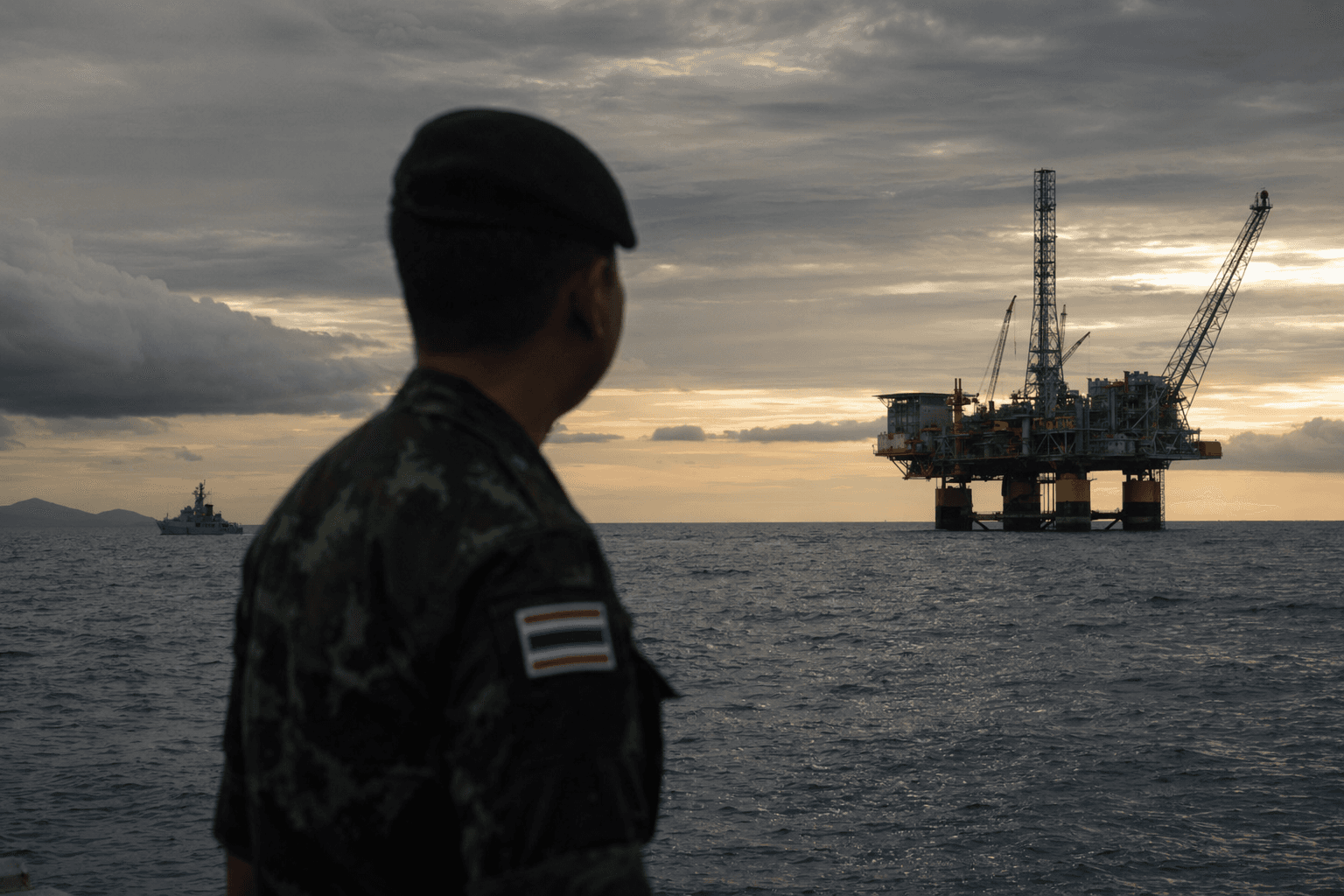
Bangkok has ended the framework that was meant to keep Thai-Cambodian cooperation alive in one of Southeast Asia’s most sensitive maritime disputes, turning an offshore energy pact into a fresh measure of how far border tensions can reach into energy policy and diplomacy.
Thailand’s cabinet approved the cancellation of MOU 44 on May 5, 2026, following years of political friction over an agreement that was supposed to let the two neighbors negotiate provisional arrangements and joint development in an Overlapping Claims Area in the Gulf of Thailand. The pact was signed in June 2001 by then-Thai prime minister Thaksin Shinawatra and Cambodian prime minister Hun Sen, at a time when both governments were trying to separate hydrocarbon exploration from the unresolved maritime boundary.

The area at stake is not small. Thai reporting has placed the overlapping claims zone at about 26,000 square kilometers, and the dispute has been traced back to the early 1970s. That long-running uncertainty has made the framework more than a technical energy agreement. It has been a holding pattern for possible offshore gas development, a legal placeholder for sovereignty claims, and a barometer of how much trust exists between Bangkok and Phnom Penh.
Prime Minister Anutin Charnvirakul made the cancellation part of his political identity, having pledged during his campaign to scrap the deal amid a wave of nationalism fueled by last year’s fighting with Cambodia. Thai officials said his cabinet move reflected a policy choice rather than a reaction to the latest border crisis, while Anutin argued that 25 years had passed without meaningful progress. His rise also underscored how border hardening can shape domestic voting patterns, rewarding leaders who frame sovereignty as an election issue.
Cambodia has responded by pressing for a legal route under the United Nations Convention on the Law of the Sea, and Cambodian Prime Minister Hun Manet said on May 5, 2026 that Phnom Penh would pursue UNCLOS compulsory conciliation to resolve the maritime dispute peacefully. Thailand’s Foreign Ministry has said both countries are parties to UNCLOS and that the convention can serve as the basis for a new negotiation framework based on internationally accepted rules.
The collapse of MOU 44 now leaves a larger strategic question hanging over the Gulf of Thailand: whether the two governments can manage energy insecurity without letting it deepen territorial distrust. Thai briefings note that a 2009 cabinet resolution once proposed canceling the agreement, but the government kept it in force in 2014 because it was seen as the best tool for protecting Thailand’s interests. That calculation has now reversed, even as a ceasefire has held since late December and both sides have continued broader diplomacy, including a joint declaration in Kuala Lumpur on October 26, 2025. The result is not immediate war, but a more fragile status quo, with gas prospects, investor confidence and ASEAN diplomacy all exposed to the same unresolved border line.
This article was produced by Prism’s automated news system from verified source data, official records, and press releases, then run through automated quality and moderation checks before publishing. The system is built and supervised by the people who set the standards it runs under. Read our full AI policy.
Did this article answer your question?