Thaksin Shinawatra released on parole, reviving questions over political comeback
Thaksin Shinawatra walked out of Bangkok's Klong Prem prison on parole, but his four-month probation may matter less than whether he can still steer Pheu Thai.
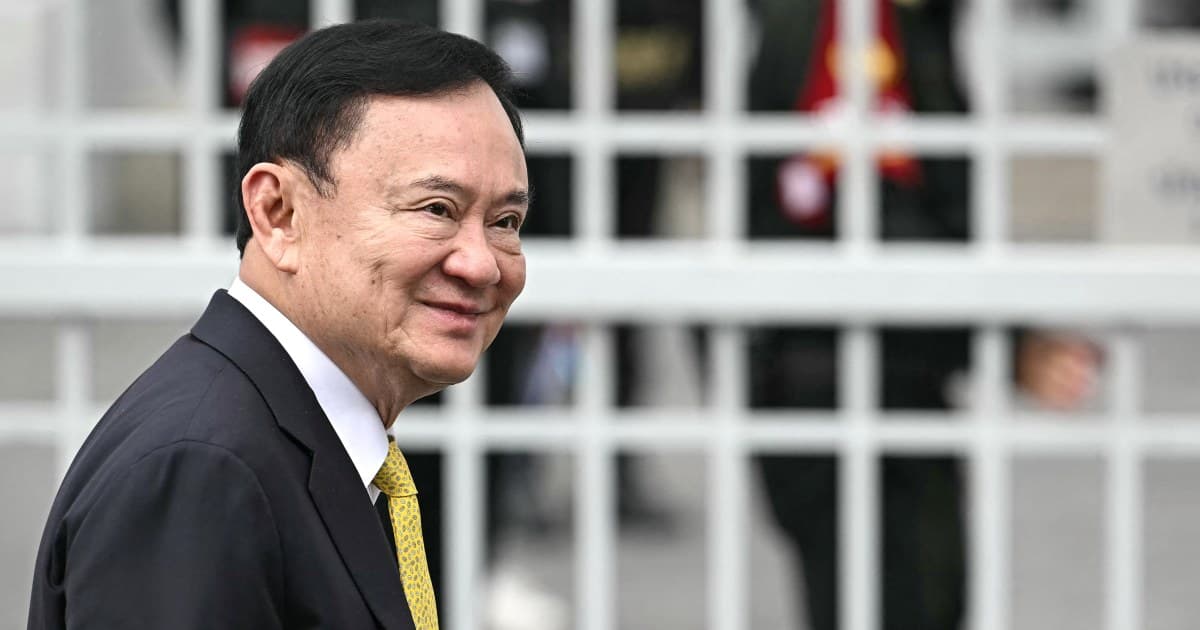
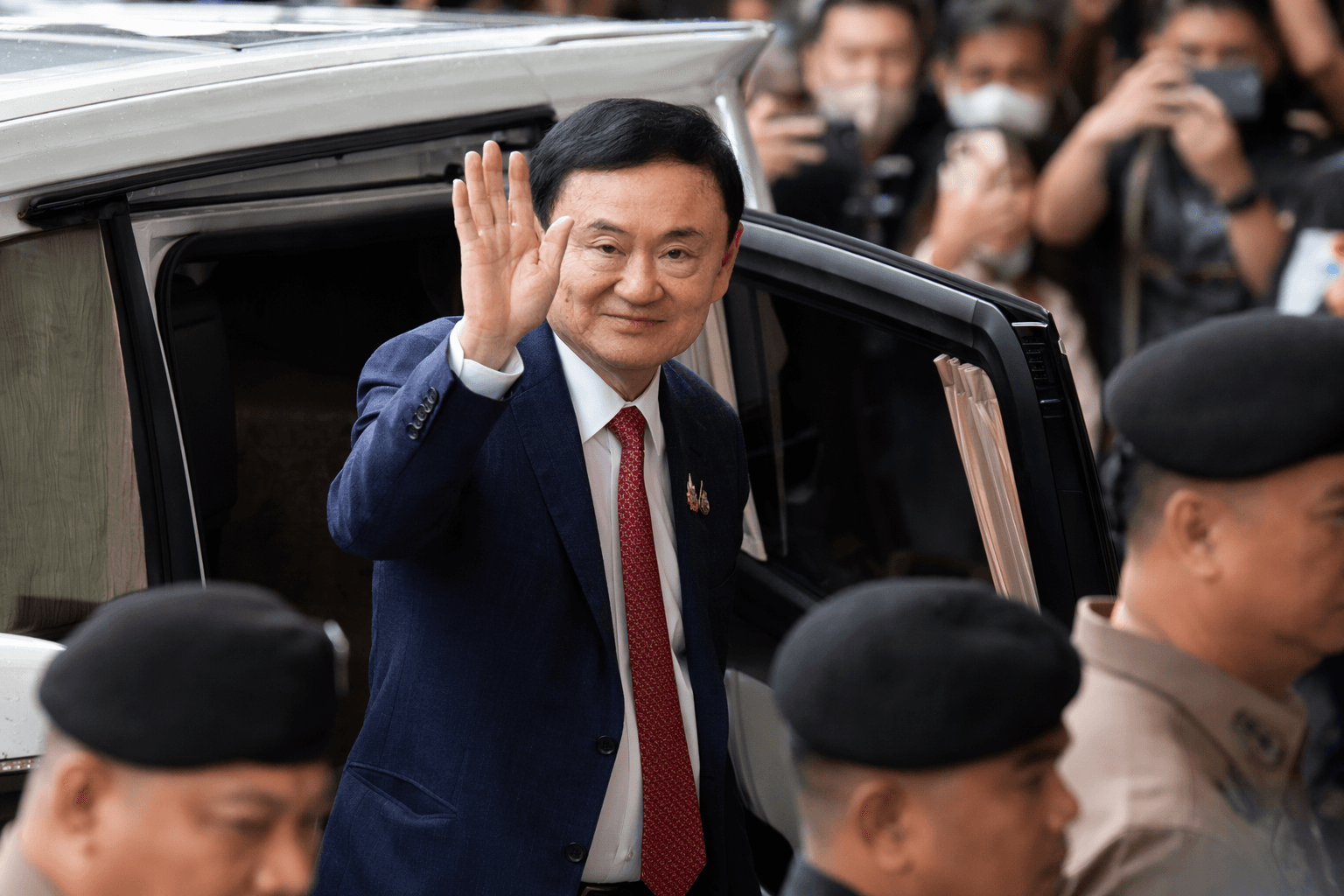
Thaksin Shinawatra left Klong Prem Central Prison in Bangkok on parole on May 11, but his freedom does not end the question that has shadowed Thai politics for nearly two decades: how much power does he still have without office, immunity or a formal post? The billionaire former prime minister emerged after serving part of a one-year sentence for corruption and abuse of power, and his return to public life immediately revived speculation over whether he will try to shape the governing coalition from behind the scenes.
His release came after Thailand’s corrections department approved parole in late April, following about eight months in custody. Reports said Thaksin must wear an electronic monitor and remain under probation for four months, a narrow legal framework that contrasts sharply with the political reach he has retained for years. Even from prison, Thaksin remained a central figure in the politics around Pheu Thai, the party long associated with his family and still part of the governing coalition.
That influence now faces a more difficult landscape. The Shinawatra family’s dominance has weakened sharply, and the rival Bhumjaithai Party won the largest bloc of seats in Thailand’s 2026 general election. Pheu Thai, once the machine that translated Thaksin’s populist appeal into electoral victories, has seen its standing erode as coalition politics shift around it. Thaksin’s release raises a blunt test of whether he can still guide strategy, negotiate alliances and hold a fractured base together without occupying any official office himself.
The stakes are even higher after another blow to the family’s political brand. Paetongtarn Shinawatra became prime minister in 2024, but Thailand’s Constitutional Court dismissed her in 2025 in an ethics case. Her removal deepened uncertainty inside Pheu Thai and reinforced the sense that the Shinawatra name no longer carries the same force it once did when the party could dominate national politics.
Thaksin’s current moment also recalls the original rupture that defined his career. He was ousted in the 2006 military coup, and the anti-Thaksin conflict helped shape years of polarization between the Shinawatra camp and Thailand’s royalist-conservative establishment. Now, with Thaksin outside prison but still constrained, the question is whether Thailand is seeing a comeback or a transition: from one man’s personal dominance to a looser, more contested struggle over who can command the country’s governing coalition next.
This article was produced by Prism’s automated news system from verified source data, official records, and press releases, then run through automated quality and moderation checks before publishing. The system is built and supervised by the people who set the standards it runs under. Read our full AI policy.
Did this article answer your question?


