Thanksgiving travel surges to record levels, U.S. carriers brace for strain
Travel industry data and trade group estimates projected a record Thanksgiving surge, with roughly 82 million Americans expected to travel over the holiday week. The spike offered a lifeline for airlines after a turbulent year, while raising fresh concerns about airport capacity, delays, and the wider economic ripple effects.

Projections published on Nov. 27 by travel industry sources and trade groups called for historically high U.S. Thanksgiving travel volumes, with roughly 82 million Americans expected to travel over the Thanksgiving week. Airlines were operating more flights than a year earlier as carriers sought to capture demand and recover revenue after a turbulent period for the industry.
The expected surge represented a major rebound in consumer mobility and a test of the transportation system at a moment when airlines and airports are trying to balance capacity, staffing, and customer service. Industry forecasts signaled that both road and air corridors would be heavily congested on peak days, intensifying pressure on already strained terminals and traffic infrastructure.
Airlines increased scheduled flights compared with last year to accommodate demand and to try to boost load factors and revenue per seat. For carriers, the holiday window is a concentrated opportunity to recoup losses incurred during periods of weaker travel, higher operating costs, and other disruptions that marked the prior year. Greater seat capacity also reflected strategic choices to prioritize market share and short term revenue gains as leisure travel continues to outpace business travel in the post pandemic era.
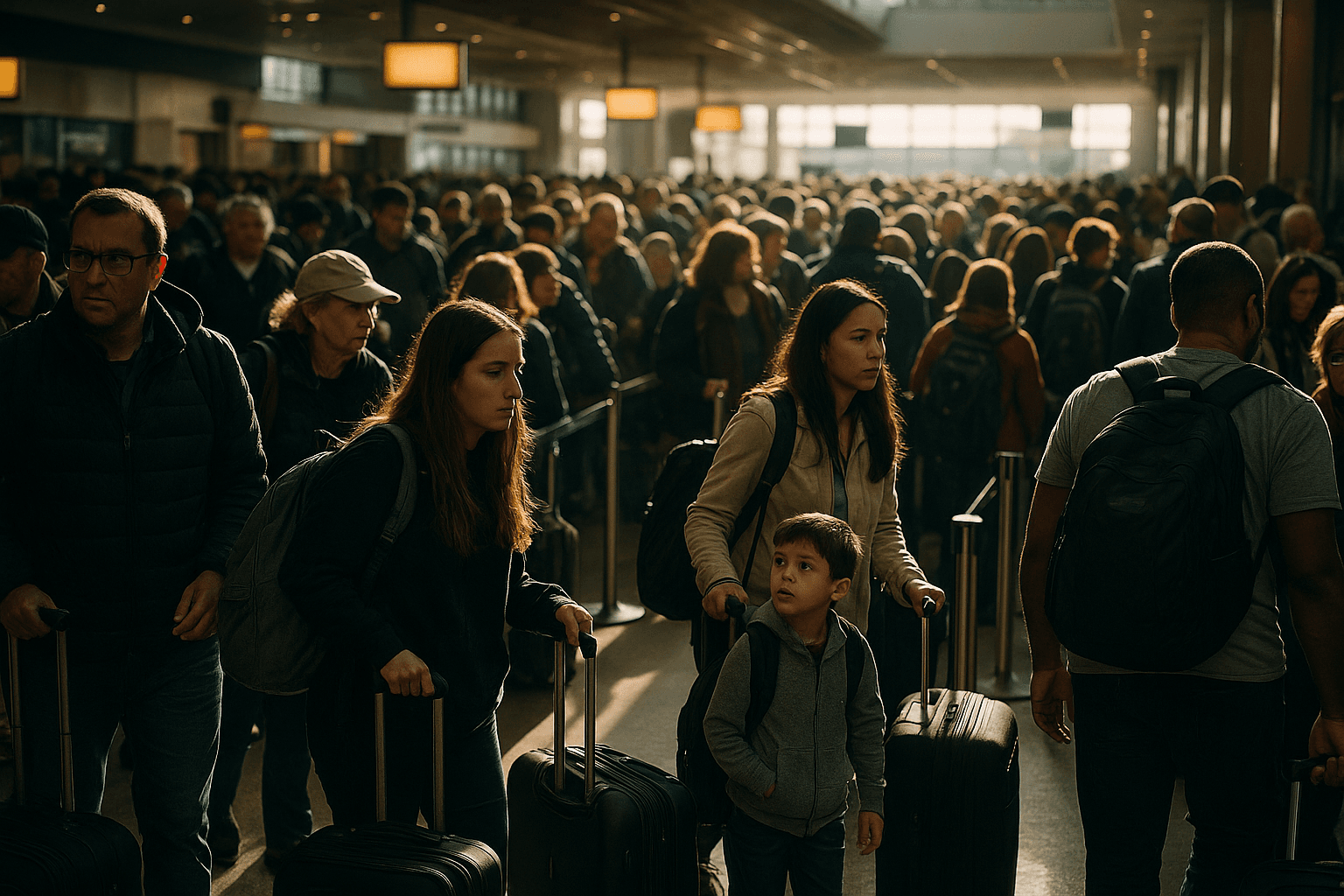
Operationally the surge posed predictable but consequential challenges. Airports and carriers had been preparing for peak day bottlenecks including crowded gates, lengthened security screening times, and a greater likelihood of cascading delays. Ground operations, baggage handling, and air traffic flow were singled out as potential pinch points where small disruptions could cascade into larger cancellations and missed connections during the narrow holiday window.
The wider economic implications extend beyond airline balance sheets. A record volume of travelers tends to boost spending on hotels, rental cars, restaurants, and retail in major destinations, providing a near term lift to service sector receipts. At the same time, congestion and travel disruptions can impose hidden costs on consumers and firms through lost time, missed engagements, and reputational damage for carriers and airports.
Policymakers faced renewed pressure to address capacity and resilience. The episode underscores longer term needs for investment in airport infrastructure, workforce development, and modernization of air traffic systems to reduce vulnerability on peak travel days. Federal and state funding choices in the coming years will shape whether the transportation network can accommodate rising mobility without a proportional increase in delays and consumer frustration.
Long term trends were also visible in the data. The rebound in travel mobility reflected a sustained consumer preference for experiences and leisure spending, while airlines adjusted capacity and pricing strategies to capture those flows. How well carriers and airports managed the Thanksgiving surge will inform investor and consumer confidence heading into the winter holiday season and the crucial travel months that follow.
This article was produced by Prism’s automated news system from verified source data, official records, and press releases, then run through automated quality and moderation checks before publishing. The system is built and supervised by the people who set the standards it runs under. Read our full AI policy.
Did this article answer your question?

