The Devil Wears Prada sequel returns, targeting tech billionaires and media power brokers
The sequel swaps the old fashion pecking order for tech billionaires and media power brokers, asking what power looks like in a digital age.

The new Devil Wears Prada sequel arrives with a sharper target than simple nostalgia. Returning to the Runway universe in a media landscape transformed by platforms, influencers and billionaire owners, the film points its satire at the people now shaping taste, credibility and status, including tech power brokers and the culture that feeds them.
The sequel premiered in New York on April 20, 2026, and is scheduled to open in U.S. theaters on May 1. 20th Century Studios has reunited Anne Hathaway as Andy Sachs, Meryl Streep as Miranda Priestly, Emily Blunt and Stanley Tucci, with David Frankel directing again and Aline Brosh McKenna writing. That same core creative team gives the follow-up the continuity of a long-delayed reunion, but the story it is returning to is not the one that made the original a phenomenon in 2006.

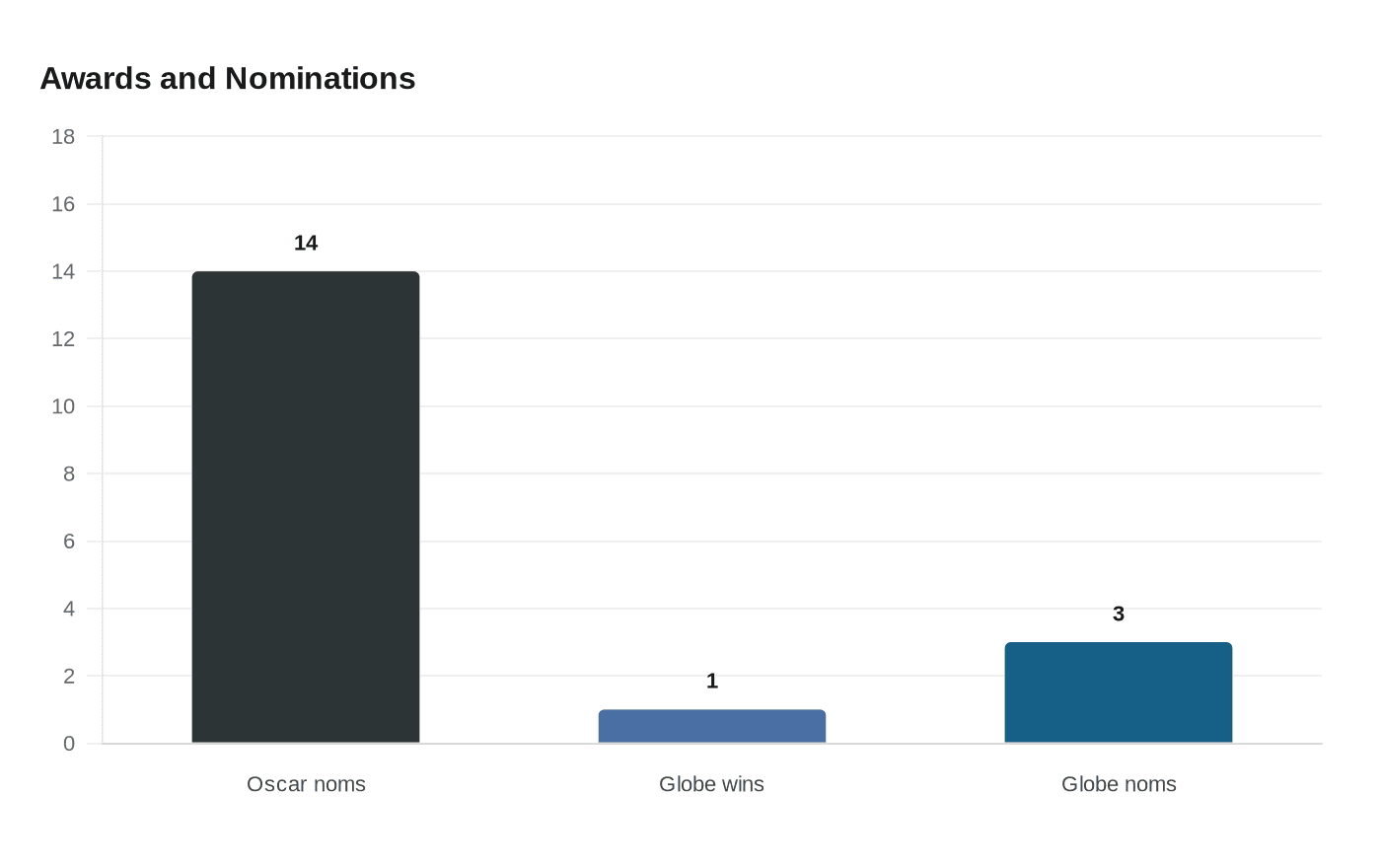
The first Devil Wears Prada grossed $124,740,460 domestically and $326,073,155 worldwide, turning a fashion-industry comedy into a broad hit with real cultural reach. It also cemented Meryl Streep’s performance in the awards conversation; she earned her 14th Academy Award nomination for the film, then the most ever for a performer. The movie won one Golden Globe and received three nominations, proof that a sharp-eyed workplace satire about Runway magazine could travel far beyond the front row.
This sequel is being framed as more than a rerun of couture set pieces. Early reactions describe Andy and Miranda navigating a series of crises that build toward a larger catastrophe, while reporters have pointed to its focus on journalism, credibility and the state of media. In that sense, the film seems aimed at a world where editorial authority has been weakened by digital chaos and where wealth, not just style, defines access. The presence of figures such as Jeff Bezos and Lauren Sánchez Bezos in the broader cultural conversation around the sequel only underscores how closely it is being read as a story about modern power.
The film’s social texture also reflects that shift. Anne Hathaway reportedly pushed for more size-inclusive models on set, a detail that ties the production to current debates over body representation, not just fashion fantasy. Box-office forecasts have been strong, with domestic opening expectations around $70 million to $75 million and some tracking pointing above $80 million. That kind of anticipation suggests the sequel is not merely recycling iconography. It is testing whether Runway can still diagnose who gets to set the rules, and whether a satire about taste can still cut through a media economy built to monetize it.
This article was produced by Prism’s automated news system from verified source data, official records, and press releases, then run through automated quality and moderation checks before publishing. The system is built and supervised by the people who set the standards it runs under. Read our full AI policy.
Did this article answer your question?