The Digital Delusion fuels backlash against screens in schools
A self-published book blaming laptops for falling scores has pushed Los Angeles schools and at least 14 states toward screen limits. The fight now turns on what the evidence can actually prove.
Los Angeles schools have become the clearest test case in a national retreat from classroom screens. On April 21, the Los Angeles Unified School District board unanimously approved a resolution directing staff to draft a policy limiting screen time, with a proposal expected in June for use in the 2026-27 school year.
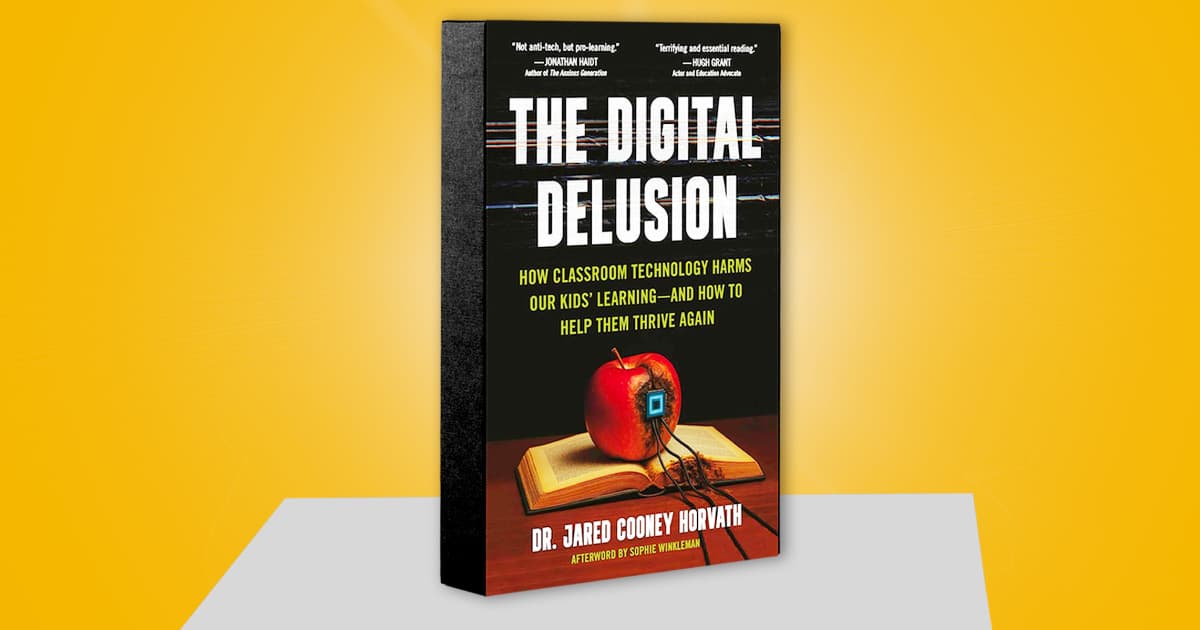
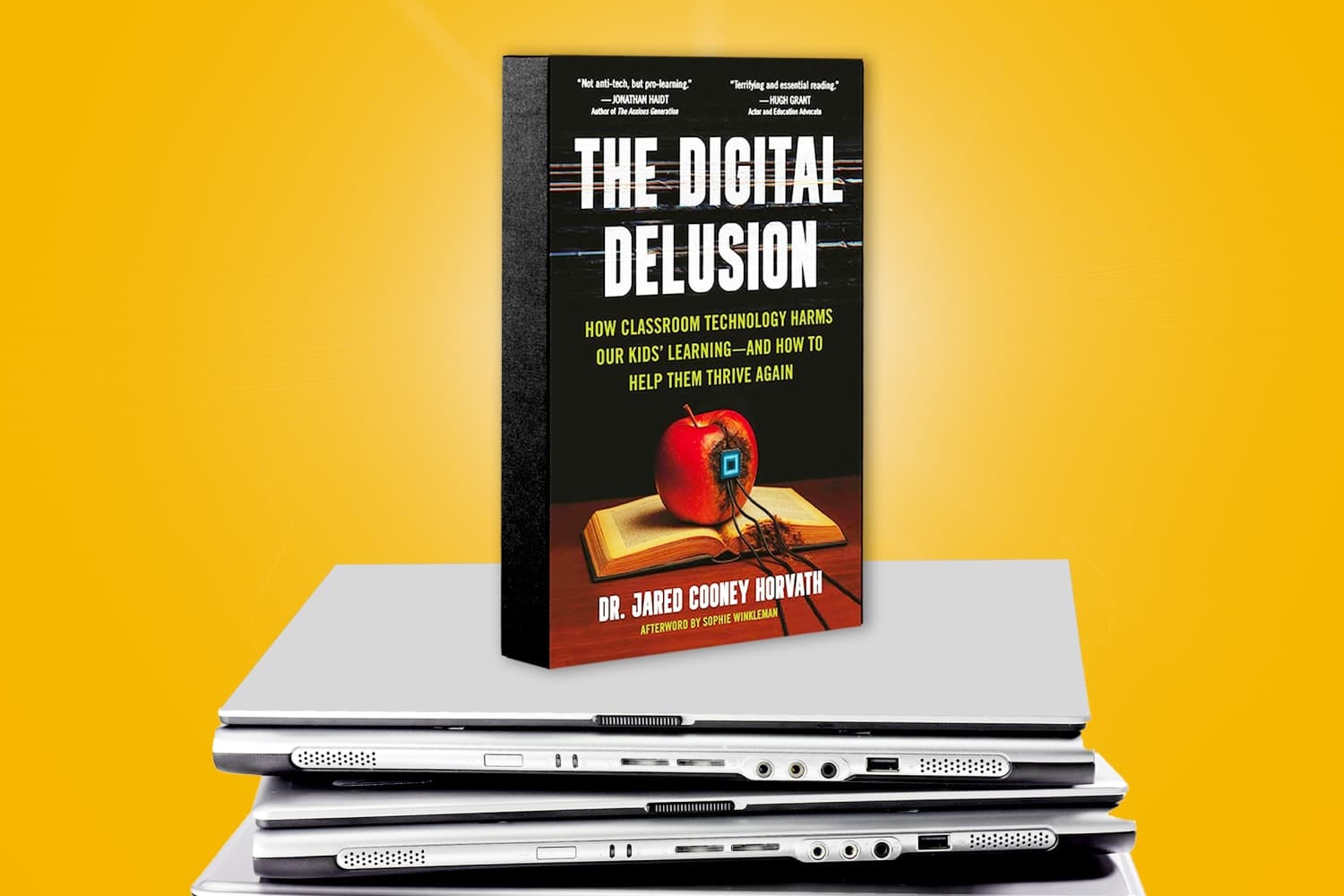
The district’s plan reflects a deeper shift in public education. Jared Cooney Horvath self-published The Digital Delusion in December 2025, arguing that years of declining standardized test scores among American children have tracked with the spread of one-to-one devices in schools. Horvath says students learn better on paper and through discussion, and his book has quickly become a touchstone for parents, administrators and activists who want schools to back away from laptops and tablets.
Horvath’s influence has spread well beyond bookstores. He has testified before the U.S. Senate and state legislatures, parent coalitions in California and Maryland have hosted webinars with him, and Randi Weingarten, president of the American Federation of Teachers, cited him as a “leading researcher” in a speech calling for restrictions on technology in schools. Actor Hugh Grant also promoted the book and wrote a blurb for the cover.
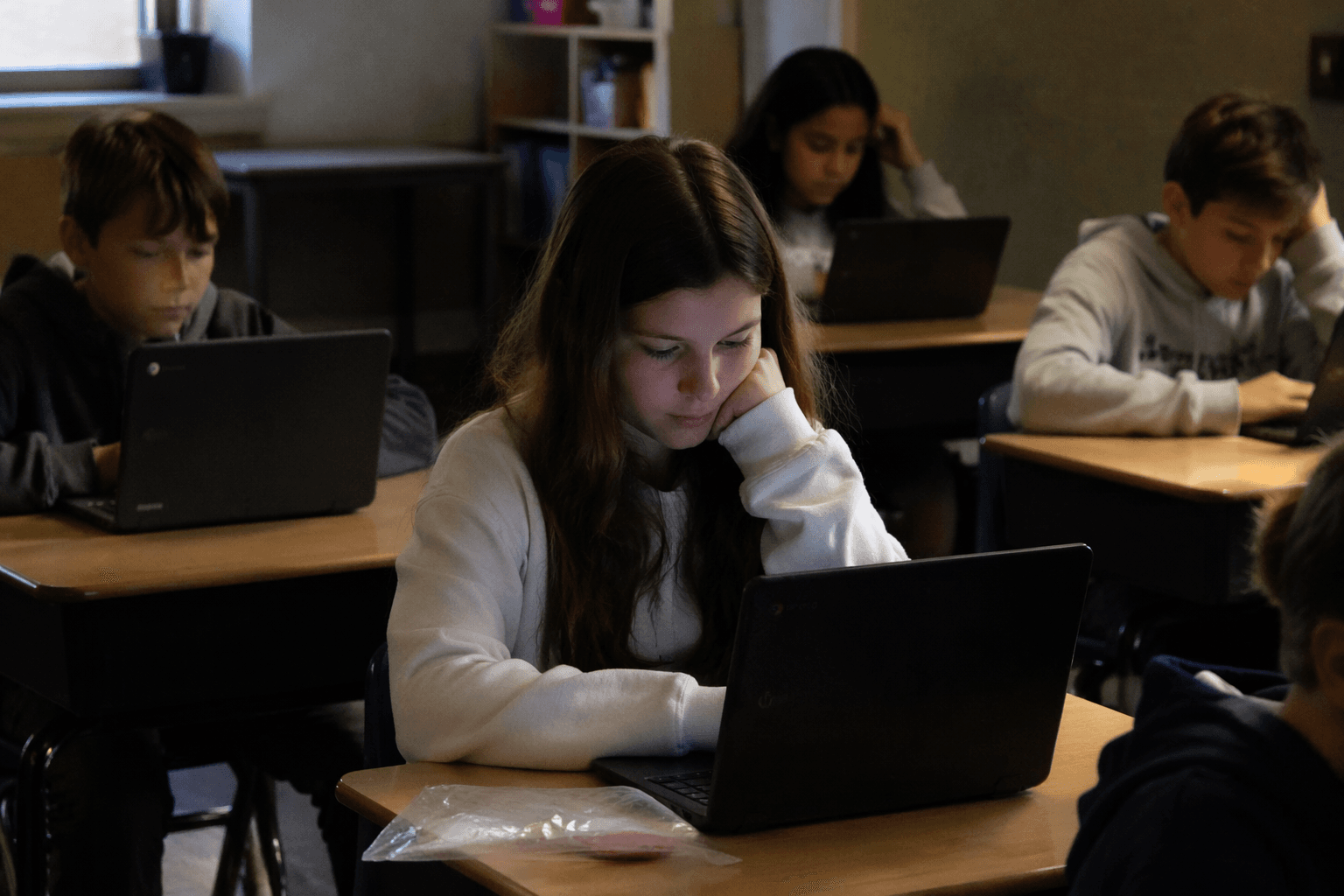
The policy fight is broader than one author’s rise. In Los Angeles, the proposed rules would eliminate devices through first or second grade, depending on the version, set daily and weekly screen limits for older students, restrict or ban YouTube and some games, reduce individual device use in elementary grades and limit recreational screen time at lunch and recess. The teachers union says the district’s ed-tech contracts total $1.6 billion, a figure now drawing fresh scrutiny as the board audits where that money has gone.
Parents have helped drive the backlash. Schools Beyond Screens, a parent group that spent months pressing the district, has argued that school-issued devices make it harder for families to enforce screen limits at home. That argument has echoed far beyond Los Angeles, where the district has become one of the first major systems to move toward pulling devices from its youngest students.
The debate is now moving across the country. AP reported that at least 14 states have proposed laws to limit screen time in schools, while Education Week has described policymakers in multiple states as trying to rebalance how much time children spend with technology. At the federal level, the government has recently warned that excessive screen use among youth is a growing public health concern and urged schools to emphasize paper-and-pencil assignments and physical textbooks.
What remains unsettled is the central claim at the heart of the backlash: that screens are a major driver of falling scores. The best national yardsticks, including NCES’s 2024 NAEP reading assessment for fourth- and eighth-graders and OECD’s PISA for 15-year-olds in math, reading and science, show where students stand, but they do not settle the cause. For now, the evidence battle is reshaping school policy faster than it is resolving the science.
This article was produced by Prism’s automated news system from verified source data, official records, and press releases, then run through automated quality and moderation checks before publishing. The system is built and supervised by the people who set the standards it runs under. Read our full AI policy.
Did this article answer your question?