The Hague tribunal finds Russia breached some sea-law duties in Kerch dispute
A Hague tribunal said Russia broke some sea-law duties in the Kerch Strait bridge case, but stopped short of backing Ukraine’s bid to bar Moscow from sole control.
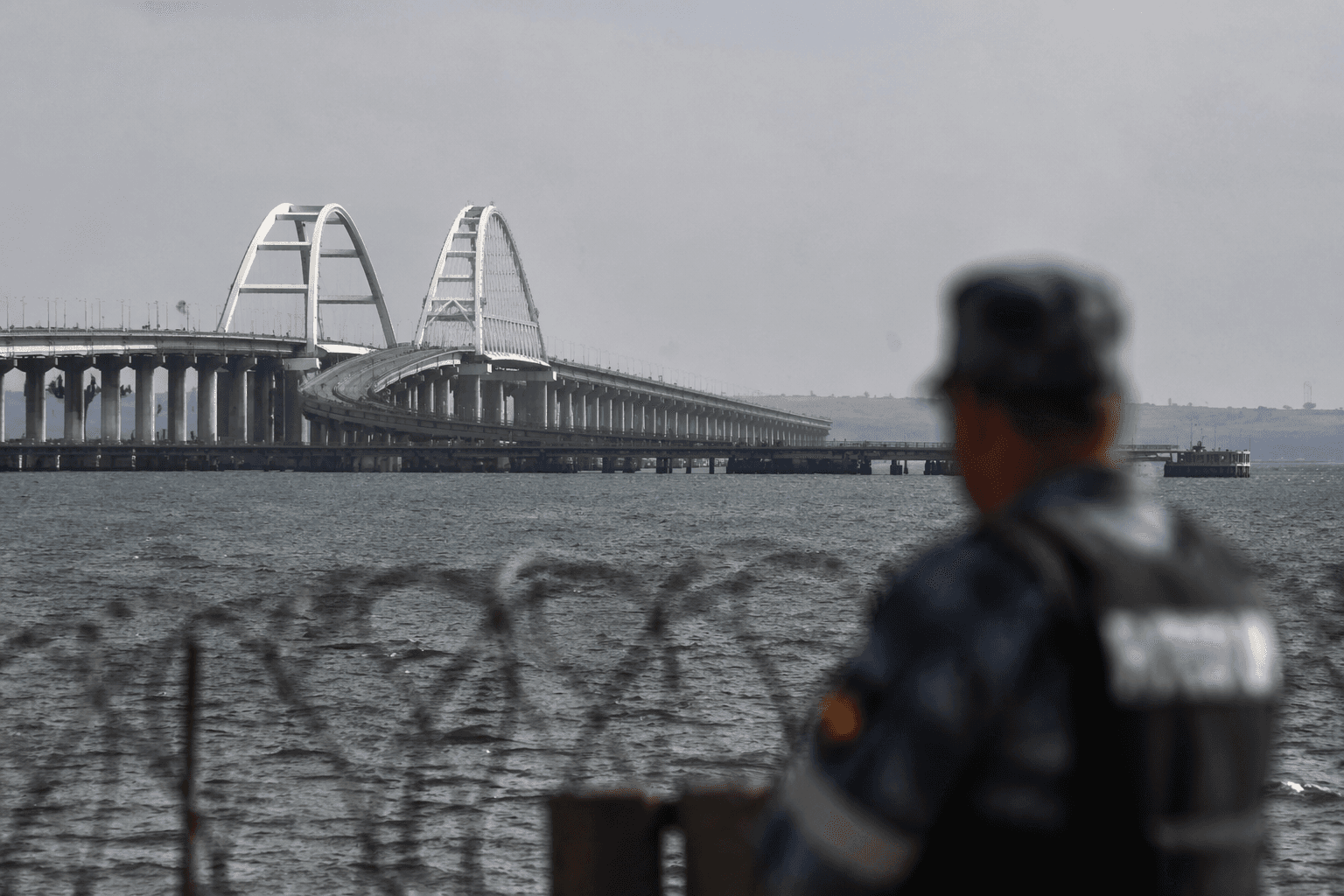
The Hague tribunal gave Ukraine a partial legal win in the Kerch Strait fight, finding Russia breached some sea-law obligations during the bridge’s construction while rejecting Kyiv’s broader claim that Moscow was unlawfully trying to keep the strait under its sole control.
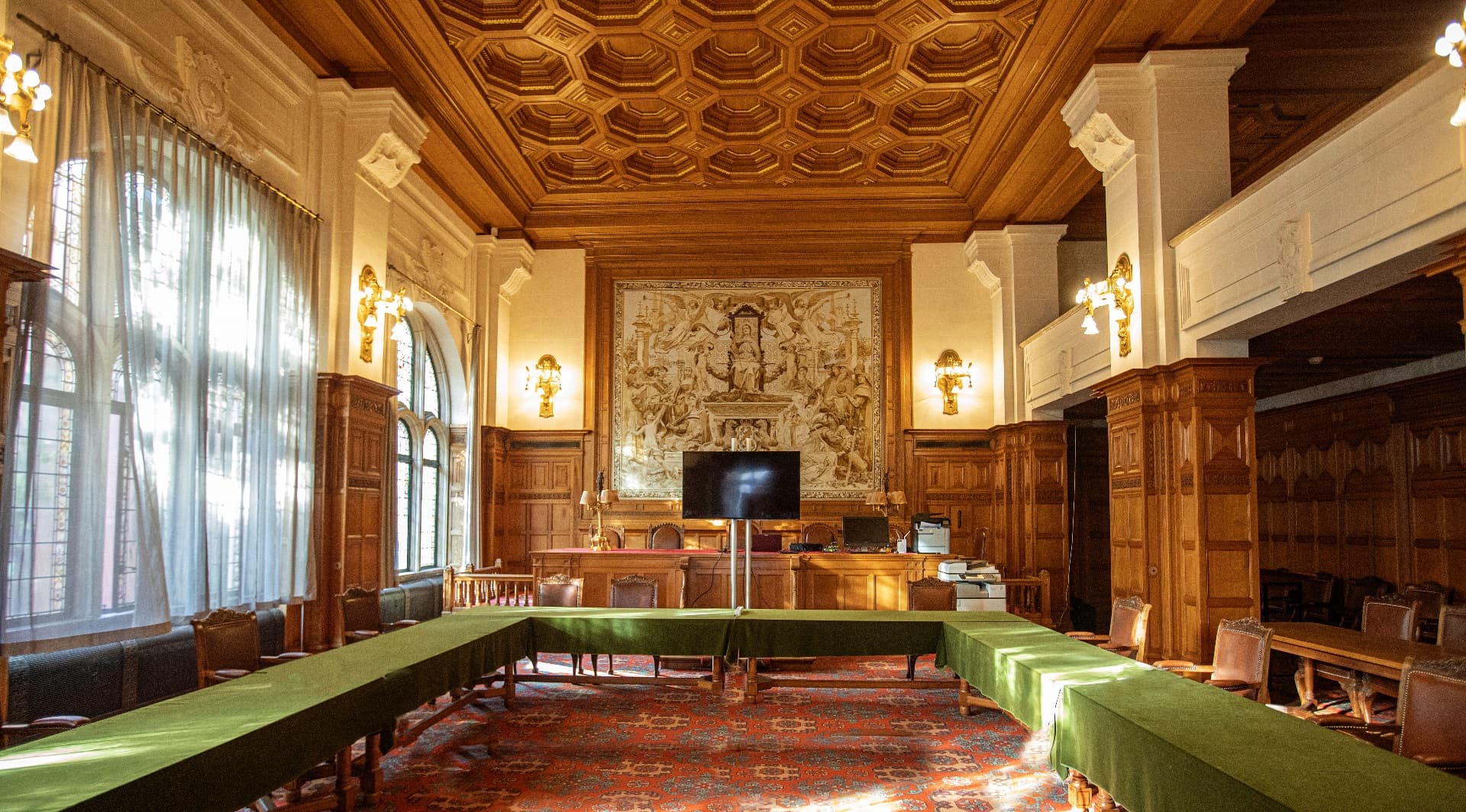
The case began on September 16, 2016, when Ukraine served Russia a Notification and Statement of Claim under the UN Convention on the Law of the Sea. The five-member arbitral panel heard the merits at the Peace Palace in The Hague from September 23 to October 5, 2024, then issued its award on April 22, 2026.
The Permanent Court of Arbitration published the award on June 15, 2026, after giving both sides 21 days to decide whether any portion needed confidential treatment. The published version was redacted in line with Procedural Order No. 2.
Judge Jin-Hyun Paik chaired the tribunal. The other members were Boualem Bouguetaia, Alonso Gómez-Robledo, Alexander Vylegzhanin and Vaughan Lowe KC. Vladimir Golitsyn had originally served on the panel, but he died on March 26, 2023 and was replaced by Vylegzhanin on May 30, 2023.
Ukraine’s Foreign Ministry said the award did not endorse the idea of the Sea of Azov and the Kerch Strait as a Russian lake. Instead, it confirmed the waters as internal waters of Ukraine and the Russian Federation and reaffirmed Ukraine’s status as a coastal state in the Black Sea, the Sea of Azov and the Kerch Strait.
That distinction matters because the tribunal did not give Kyiv everything it sought. It validated part of Ukraine’s maritime position, but it did not fully accept the argument that Russia had unlawfully monopolized control over the strait. Russia’s Foreign Ministry said the award did not prevent the Russian Federation from exercising sovereignty, sovereign rights and jurisdiction in the maritime areas contiguous to Crimea, and it dismissed Ukraine’s demand to dismantle the Crimean Bridge as “absurd and cynical.”
The ruling lands in a waterway that sits at the center of the Black Sea balance of power, linking Crimea and mainland Russia and carrying both strategic and symbolic weight. The Permanent Court of Arbitration, which says it has 128 Contracting Parties and is headquartered at the Peace Palace, has now placed a partial legal marker on one of the war’s most contested maritime frontiers, even as geopolitical control remains unresolved.
This article was produced by Prism’s automated news system from verified source data, official records, and press releases, then run through automated quality and moderation checks before publishing. The system is built and supervised by the people who set the standards it runs under. Read our full AI policy.
Did this article answer your question?