The Mandalorian and Grogu posts Disney's weakest Star Wars opening weekend
Disney’s first Star Wars film in seven years opened to $82 million domestically, the weakest debut of the franchise’s Disney era. The soft launch tests whether streaming-era fandom still fills theaters.

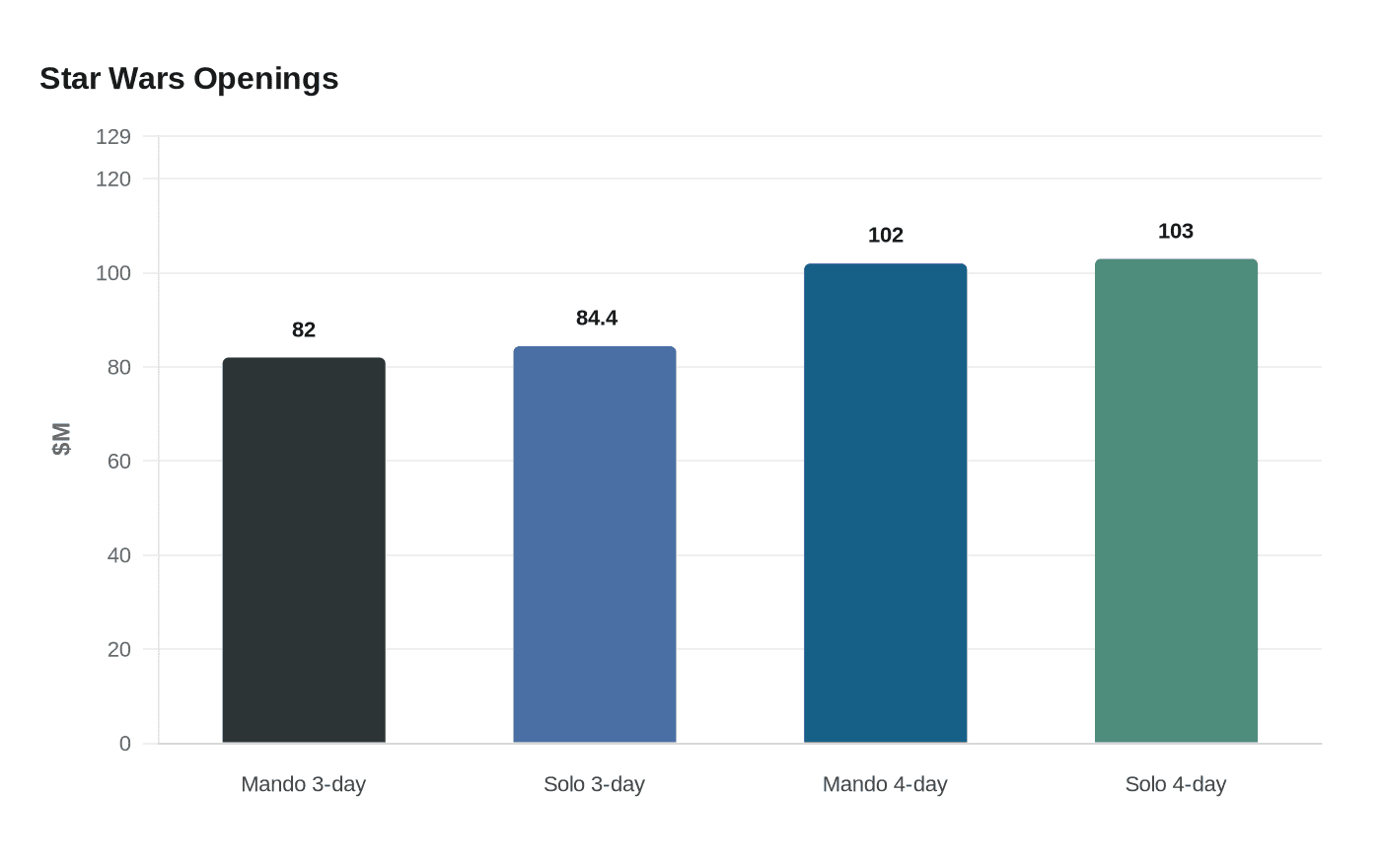
The Mandalorian and Grogu opened to an estimated $82 million in North America over three days and $102 million across the four-day Memorial Day holiday, the weakest opening for any Star Wars film released under Disney. Jon Favreau’s 2-hour, 12-minute PG-13 film still led the holiday box office in the United States and Canada, but the numbers showed how difficult it has become to turn a television-era fan base into a theatrical event.
The movie’s global opening reached an estimated $165 million, including $64 million from international markets, a solid start by most standards. For Star Wars, though, it landed below the franchise’s old theatrical benchmark. Solo: A Star Wars Story opened to $84.4 million over three days in 2018 and $103 million over the Memorial Day frame, then went on to become the first Star Wars movie to lose money in theaters, finishing with $392 million worldwide against a budget of nearly $300 million.
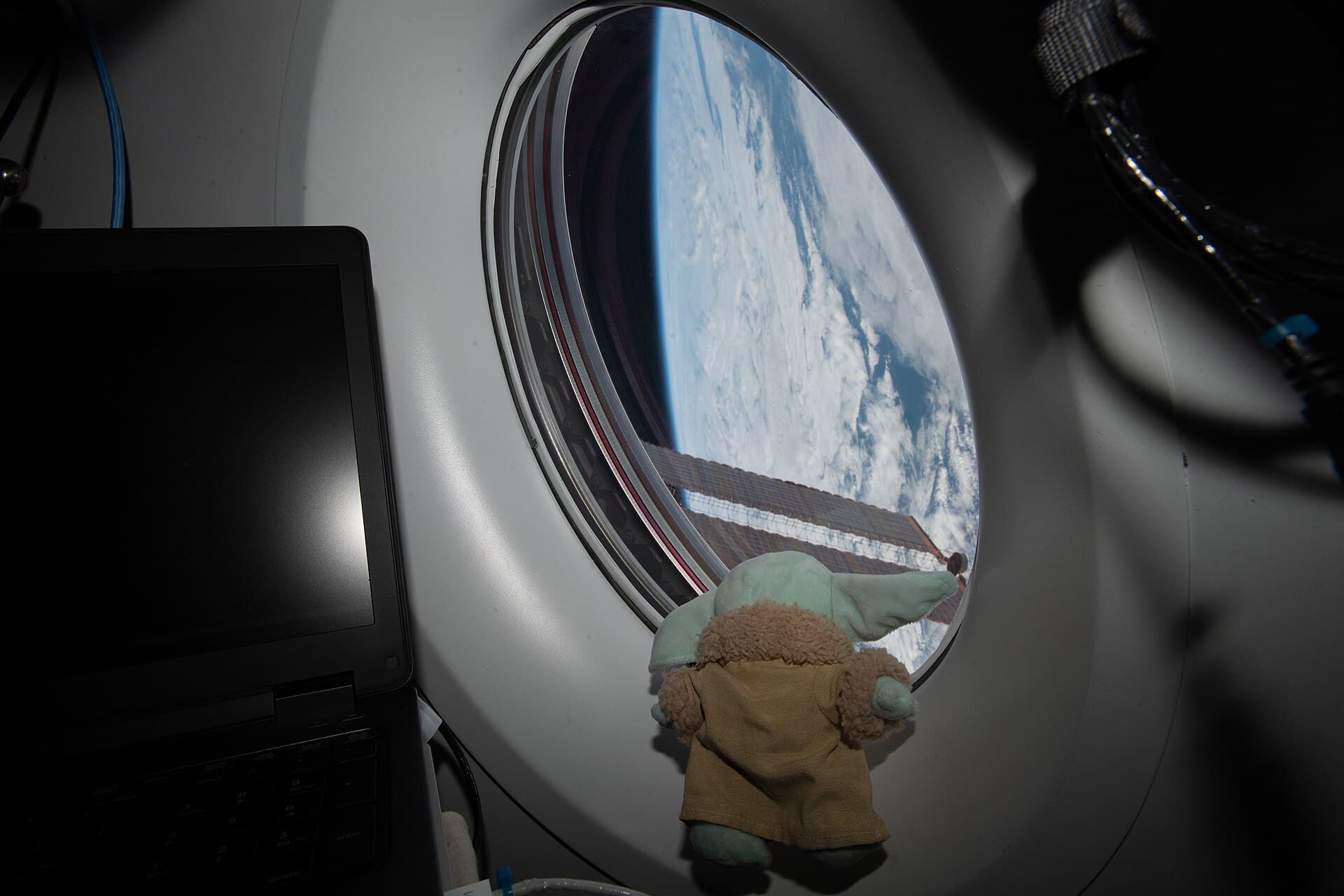
Disney appears to have reduced the risk this time. The Mandalorian and Grogu was made for a reported $165 million, far below Solo’s cost, giving the new film a cleaner path to profitability even with a lighter opening. The cast includes Pedro Pascal, Sigourney Weaver and Jeremy Allen White, and the story picks up after the third season of The Mandalorian, with Din Djarin and Grogu helping the New Republic secure the galaxy after the fall of the Empire.
Audience response was stronger than the box-office headline suggested. The film earned an A- CinemaScore, and opening-weekend ticket buyers were 63% male and 75% older than 25, a profile that suggests the movie drew core franchise fans more reliably than younger families. That matters because Star Wars has taken in more than $10 billion in global ticket sales since 1977, yet this opening underscored the limits of legacy IP when viewers have spent years watching the brand on Disney+ instead of showing up for a movie ticket.
The result leaves Disney with a clearer, if uneasy, verdict: the Star Wars name still sells, but not with the automatic force it once did. With Star Wars: Starfighter already scheduled for May 2027, the studio is still betting that the franchise can be rebuilt as a theatrical draw, even as this weekend showed that streaming familiarity does not always translate into blockbuster urgency.
This article was produced by Prism’s automated news system from verified source data, official records, and press releases, then run through automated quality and moderation checks before publishing. The system is built and supervised by the people who set the standards it runs under. Read our full AI policy.
Did this article answer your question?