The Times cuts story volume 25%, sets record global audience growth
The Times cut daily output by 25% and still hit three straight months of record audience growth, with organic search up 29% in February.
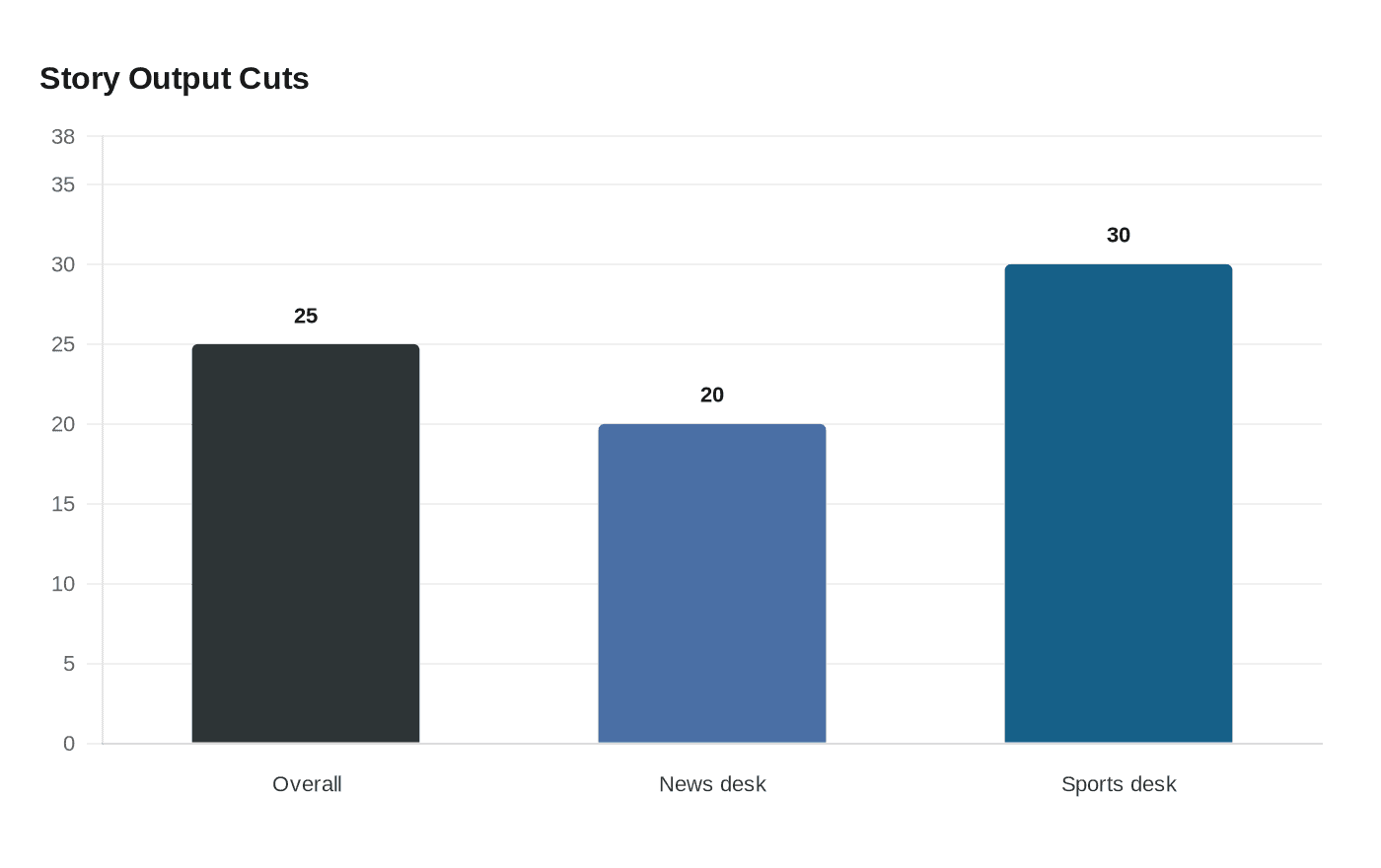
The Times has turned a newsroom axiom on its head: publishing fewer stories delivered more reach. After cutting daily output from more than 200 stories to about 150, the paper recorded three consecutive months of all-time audience growth across its website and app, while staff levels stayed neutral.
Anna Sbuttoni, the deputy head of digital, said the shift was not a cost-cutting exercise. The news desk reduced its output by 20% and the sports desk by 30%, but the newsroom still managed to post record global audience figures while publishing less than before. The traffic numbers excluded Apple News, making the gains on the Times’ own platforms even more striking.
The results were strongest where publishers have lately felt the most pressure. Organic search traffic to the website rose 29% year on year and 13% month on month in February 2026. Google Discover traffic was up more than 150% year on year, while social referral traffic climbed by more than 100%. In an industry where changes to Google can jolt readership overnight, that kind of spread matters because it shows the gains were not tied to a single channel.
Sbuttoni framed the change as a real shift in editorial mindset, one built around exclusive original reporting, live coverage of developing stories, and adding clear value when rivals had already broken the news. Operationally, “fewer, better stories” meant tighter story selection, stronger updates once a piece was live, and higher standards for what earned space in the publishing pipeline. The logic was simple: traffic efficiency mattered more than raw volume.
The Times also introduced TED, short for Times Editorial Data, an analytics tool designed to show when a story slipped into the “red zone” so editors could judge how to refresh it. That kind of feedback loop moves the job from filling pages to managing audience momentum, and it gives editors a way to decide whether a story needs a sharper angle, a visual lift or a fuller update before it fades.
One example came from a 2024 story on the end of 142 years of coal in Britain. Sbuttoni said the piece was built in a highly visual way, became the most-read article on the website and also drew a large audience on Apple News. That is the operational argument behind the Times’ approach: a well-chosen, well-developed story can outperform a much larger stream of thinner coverage.
The paper’s gains also follow a December 2025 Google core update that left The Times among the winners, suggesting its search performance had already been holding up. For publishers still chasing growth through volume alone, The Times’ numbers made a blunt counterpoint: fewer stories can mean more audience, if the editing is sharper and the updates are stronger.
Sources:
Know something we missed? Have a correction or additional information?
Submit a Tip