Thea Energy raises $100 million to build modular fusion magnets
Thea Energy closed an oversubscribed $100 million round as it bets modular magnets can make stellarators manufacturable enough to reach the grid.

Thea Energy raised $100 million in an oversubscribed Series B as investors kept betting that fusion’s biggest obstacle may be less physics than industrial design. The round, led by the U.S. Innovative Technology Fund, lifted the Princeton-linked startup’s total private investment to $130 million and gave it fresh capital to expand manufacturing for its smaller magnets and move toward construction of its Eos demonstration device.
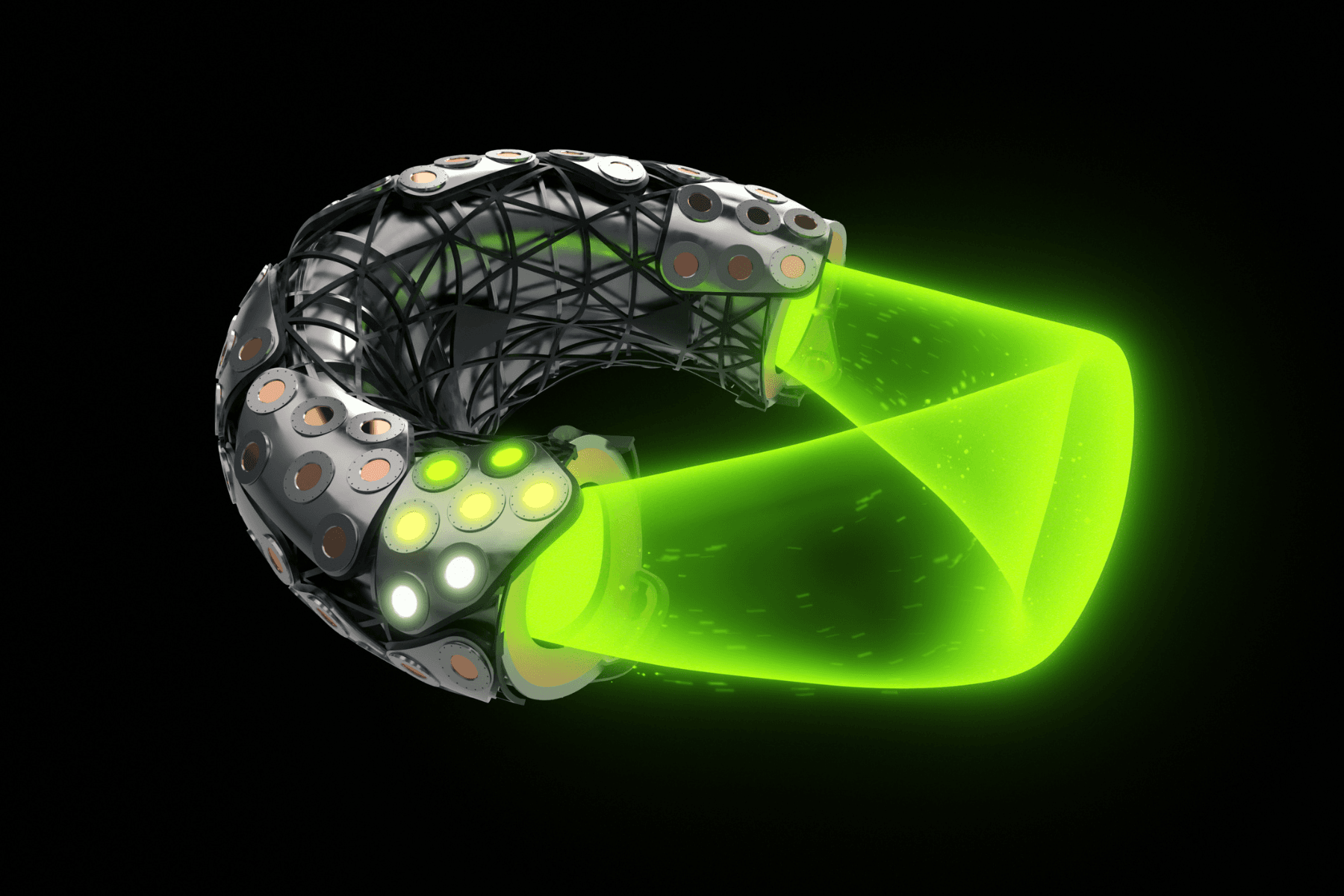
The company has built its pitch around a simple but ambitious claim: standardize the hardware, then use software to shape the magnetic field. Instead of a traditional reactor layout built around complex, rigid coils, Thea is developing a stellarator that uses many tunable rectangular magnets, which it compares to pixels on a screen. Each magnet can be adjusted so the combined field forms the shape needed to confine plasma. The company says that approach could simplify manufacturing and assembly compared with the exotic geometry that has long made stellarators difficult to build at scale.
That argument has helped Thea stand out in a sector where technical credibility and commercial proof remain far apart. The company, spun out of Princeton University and the Princeton Plasma Physics Laboratory in 2022, said existing backers including Alumni Ventures, Hitachi Ventures, Lowercarbon Capital, Mercator Partners, Orion Industrial Ventures, Prelude Ventures and Starlight Ventures joined the new round. New investors included Calm Ventures, Climate Capital, Divergent Capital, Emerald Technology Ventures, Gaingels, Idemitsu Kosan, Overlay Capital, Timescale Ventures and Whatif Ventures.

Thea said the money will support manufacturing scale-up and site selection for Eos, with a site to be chosen later this year and the team expected to double. Eos is meant to be the company’s integrated stellarator facility and a step toward Helios, the first commercial fusion power plant Thea wants to build. TechCrunch reported that Thea has already built dozens of full-scale magnet iterations in its Jersey City lab and tested software that can compensate for magnets placed out of alignment.
The timeline is aggressive but not out of step with federal policy. The U.S. Department of Energy says its fusion roadmap aims to accelerate commercialization of fusion energy by the mid-2030s. Its Milestone-Based Fusion Development Program, first authorized in the Energy Act of 2020 and first funded in fiscal 2022, backed Princeton Stellarators, now known as Thea Energy, as one of its first round awardees in 2023. Industry coverage in late 2025 said DOE had certified Thea’s preconceptual Helios pilot plant design, underscoring how closely the company is tying technical milestones to investor confidence.
Even so, Thea’s ambitions remain years from electricity sales. TechCrunch said the company aims to complete Eos in 2030 and Helios in 2034, placing it in the same broad commercial window as rivals such as Commonwealth Fusion Systems. For investors, the new round is a wager that modular hardware and software control can turn fusion from a grand scientific promise into something that can actually be manufactured, assembled and, eventually, put on the grid.
This article was produced by Prism’s automated news system from verified source data, official records, and press releases, then run through automated quality and moderation checks before publishing. The system is built and supervised by the people who set the standards it runs under. Read our full AI policy.
Did this article answer your question?