Thomson Reuters faces shareholder revolt over U.S. government contracts
Shareholders pressed Thomson Reuters over contracts that partly gave ICE license-plate data, as the company said it already has human-rights safeguards.

Thomson Reuters faced a shareholder revolt in Toronto as investors challenged its U.S. government contracts, especially work tied to Immigration and Customs Enforcement. The vote highlighted a broader fight over whether a data and legal-information company can stay clear of enforcement politics while selling tools that can shape detention and deportation decisions.
The British Columbia General Employees’ Union had pressed the issue for years, saying it had been engaging Thomson Reuters on human-rights due diligence since 2020. At the annual meeting on June 10, 2026, the union urged an independent assessment of the human-rights risks linked to U.S. agencies, arguing that the company’s most recent review was finished before Operation Metro Surge and before a wider escalation in ICE enforcement.

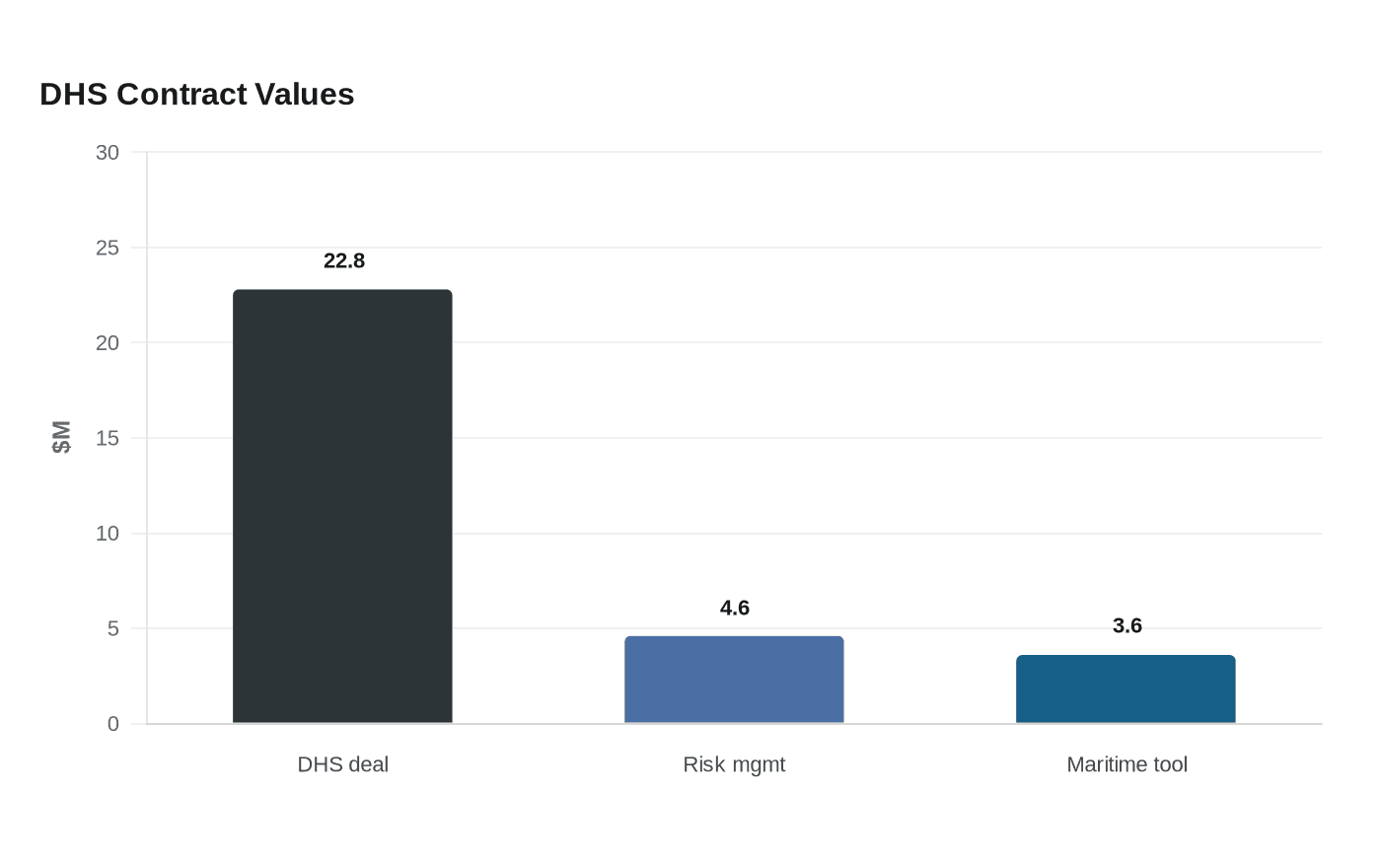
At the center of the dispute were contracts held by Thomson Reuters Special Services. One Department of Homeland Security agreement was valued at $22.8 million, was set to end in May, and partly provided ICE with license-plate-reader data. Thomson Reuters also had DHS contracts worth up to $4.6 million for risk-mitigation services and up to $3.6 million for a maritime-analysis tool. The union said the ICE-related business was reportedly worth about $60 million as of April 2026 and warned that products such as CLEAR can become more powerful when combined with broader surveillance systems.
Thomson Reuters’ board recommended voting against the proposal and said the company already conducts human-rights assessments aligned with United Nations standards for business conduct. The company also said its products are provided under strict contractual terms, subject to applicable law, and governed by safeguards that limit and monitor use. When misuse is identified, Thomson Reuters said, it acts promptly, including suspending or canceling access when warranted. It also stressed that Reuters, its news organization, is independent from the rest of the company.
The company drew a different line around the purpose of its tools, saying the products help authorities investigate child exploitation, human trafficking, narcotics, weapons trafficking, financial crime, and other public-safety threats. David Thomson later said over 95% of votes were cast against the measure and over 3% supported it, while the union said about 15% of independent shareholders backed the proposal. With Thomson Reuters about 73% controlled, the result was not close, but the independent vote showed deeper unease over how infrastructure-like data services can feed enforcement outcomes.
This article was produced by Prism’s automated news system from verified source data, official records, and press releases, then run through automated quality and moderation checks before publishing. The system is built and supervised by the people who set the standards it runs under. Read our full AI policy.
Did this article answer your question?