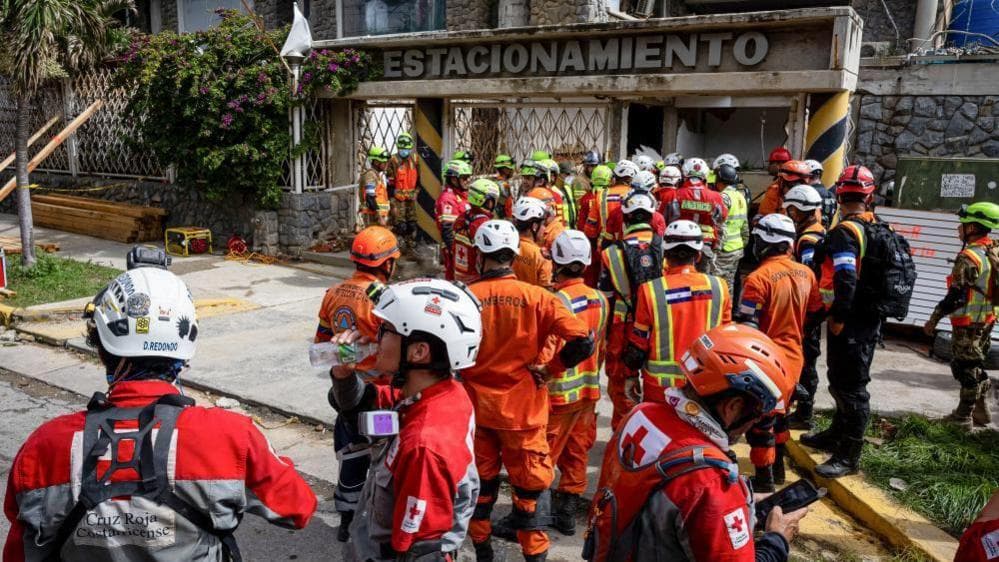
Three attacks on Ebola care centers rattle eastern Congo
Mistrust, not just Ebola, is crippling the response as mobs burned clinics, stormed a hospital and drove patients from treatment sites in eastern Congo.

Community mistrust has become as dangerous as Ebola itself in eastern Congo, where three health facilities were attacked in a single week and responders are losing ground to fear, rumors and grief.
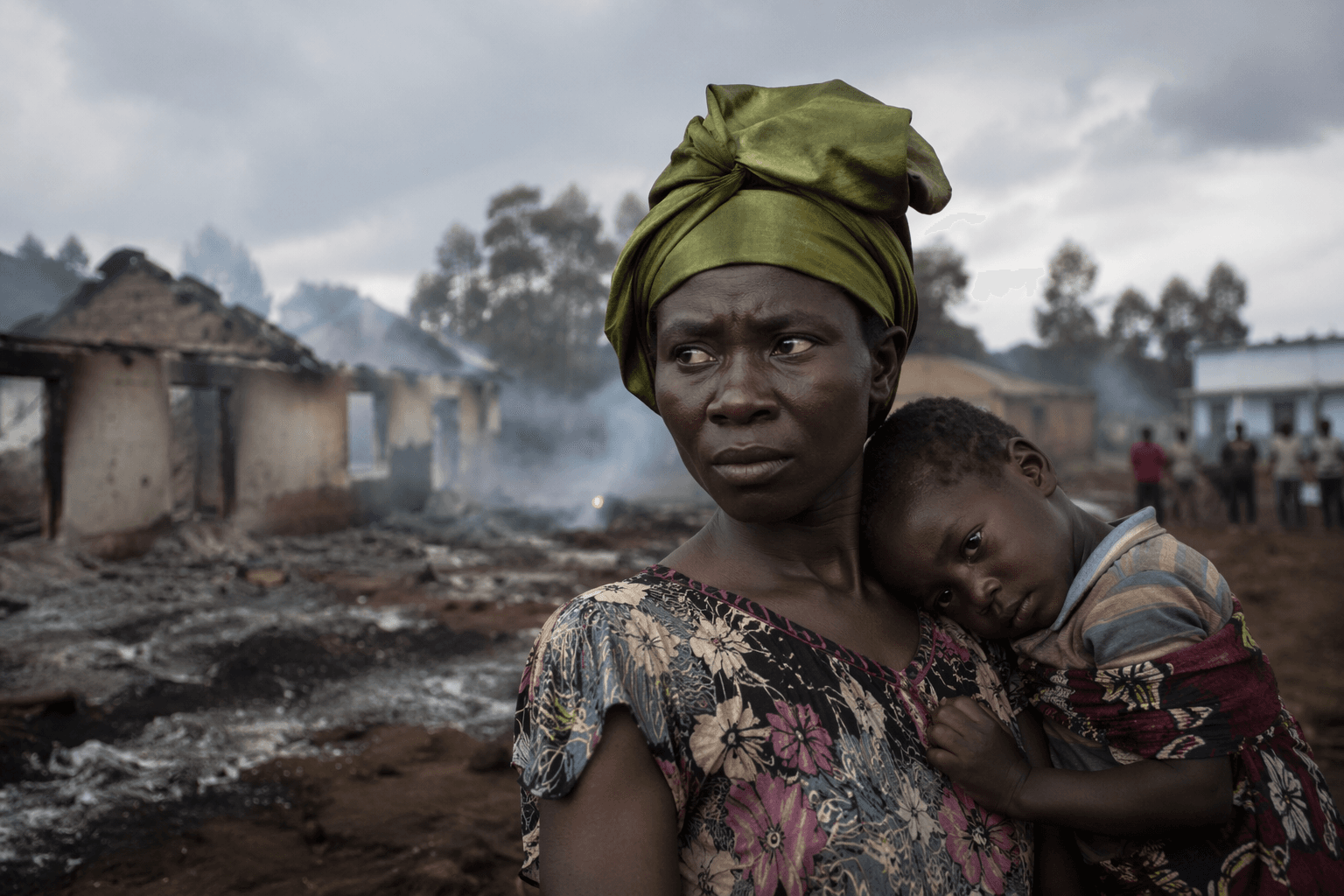
In Mongbwalu, in Ituri province, angry young men stormed Mongbwalu General Hospital on Sunday and demanded the bodies of two relatives. Gunfire broke out as medical staff evacuated Ebola patients, and it was not immediately clear whether anyone was hurt. The assault came just a day after residents set fire to a treatment tent for suspected and confirmed Ebola cases run by Doctors Without Borders, forcing at least 18 suspected patients to flee. On Thursday, a center in Rwampara was burned after relatives were blocked from retrieving the body of a man suspected of having Ebola.
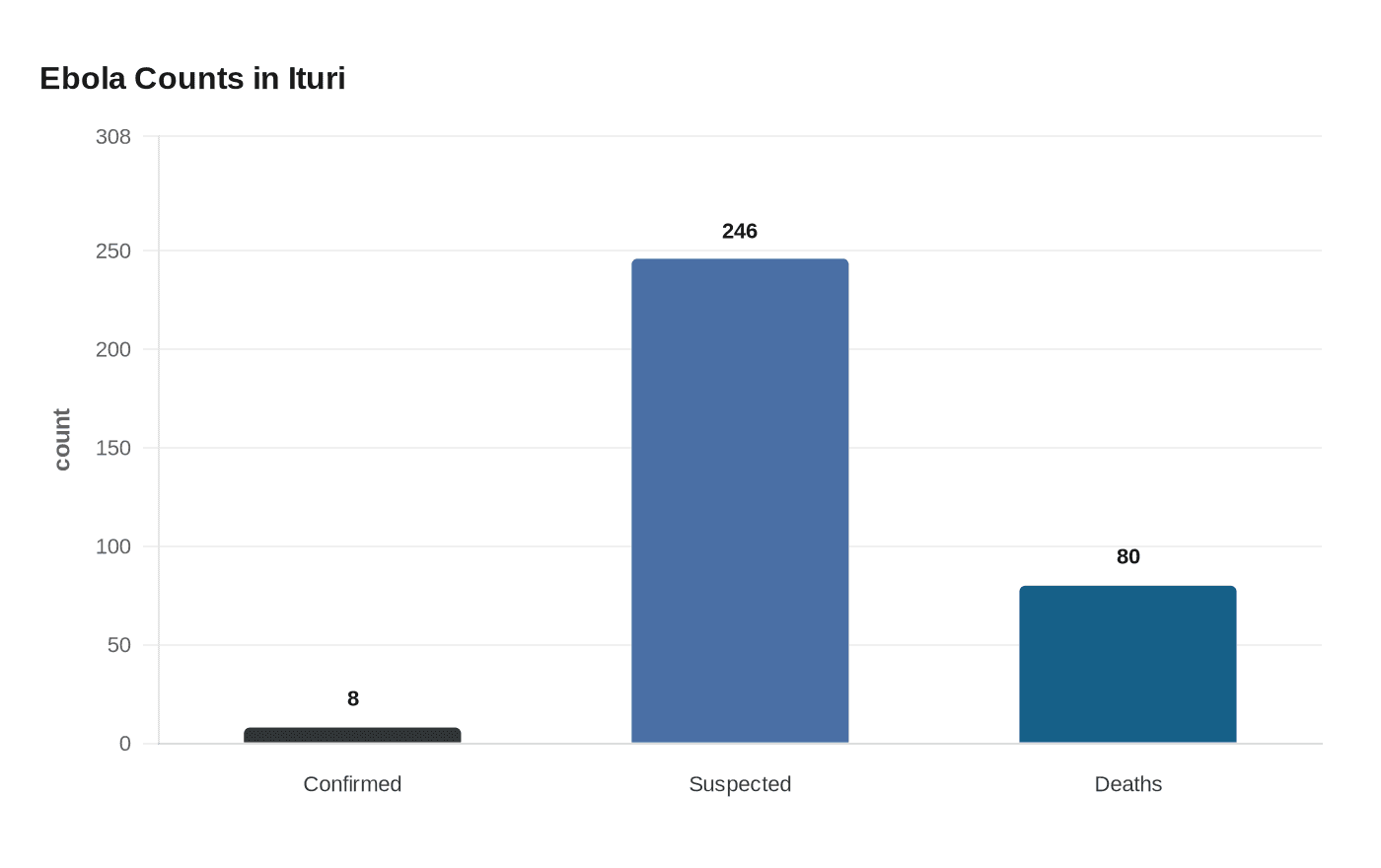
The violence is unfolding as the outbreak accelerates. The World Health Organization first received an alert on May 5 about a high-mortality unknown illness in Mongbwalu Health Zone that included deaths among health workers. By May 15, laboratory testing had confirmed Bundibugyo virus disease in eight of 13 blood samples. As of May 16, WHO counted eight laboratory-confirmed cases, 246 suspected cases and 80 suspected deaths in Ituri Province, and by May 17 it had declared the epidemic a public health emergency of international concern.
This is the Democratic Republic of the Congo’s 17th Ebola outbreak since the virus was identified in 1976. It is also a strain with a grim record: WHO says Bundibugyo virus disease has had case fatality rates of 30% to 50% in past outbreaks, and there is no licensed vaccine or specific therapeutic for it. Health officials say suspected cases in eastern Congo have climbed to nearly 1,000, underscoring how quickly the outbreak has outrun containment efforts.
The challenge is not only medical. WHO says the response is taking place amid insecurity, a humanitarian crisis, dense population movement and the risk of cross-border spread. Aid workers say families are resisting burial rules that keep them from handling bodies during final rites, while residents have accused responders of profiteering and even described Ebola as a foreign invention. That mistrust has made clinics, tents and burial teams targets, turning the rules meant to stop transmission into flashpoints for anger.
The pattern is unsettlingly familiar. During the 2018-2020 Ebola outbreak in eastern Congo, more than 25 health workers were killed. With clinics again under attack, the response now depends on more than medicine: it depends on whether communities trust the people trying to save them.
This article was produced by Prism’s automated news system from verified source data, official records, and press releases, then run through automated quality and moderation checks before publishing. The system is built and supervised by the people who set the standards it runs under. Read our full AI policy.
Did this article answer your question?