Three boys convicted in Hampshire rapes of two teenage girls
Filmed laughter and peer encouragement turned two attacks in Fordingbridge into a case about youth violence, and the court imposed rehabilitation orders instead of custody.

Three teenage boys convicted of raping two girls in separate attacks in Fordingbridge, Hampshire, were spared custody on 21 May 2026, even as the court heard they had filmed themselves laughing and encouraging one another during the assaults. Judge Nicholas Rowland imposed youth rehabilitation orders instead, in a case that has sharpened scrutiny of peer pressure, safeguarding failures and the role of phones and digital evidence in modern youth violence.
The attacks took place less than two months apart, on 26 November 2024 and 17 January 2025, and involved victims aged 14 and 15 who did not know one another. The defendants were aged 13, 14 and 14 at the time of the offences. After a five-week trial at Southampton Crown Court, all three were convicted on 5 March 2026.
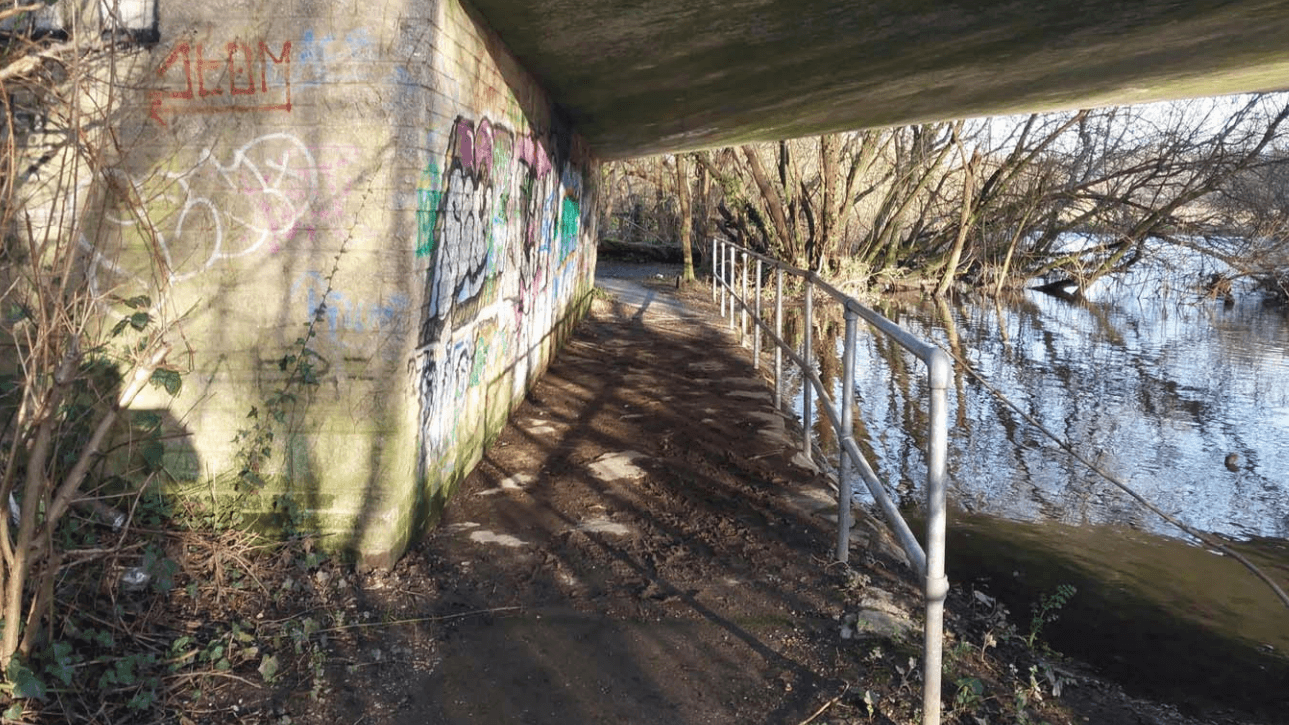
In the January attack, prosecutors said a 14-year-old girl was separated from her friends, threatened with a knife and forced to leave her mobile phone and AirTag in a shop so her movements could not be tracked. She was then taken to a secluded area, where two of the defendants took it in turns to rape her while the others encouraged them and filmed the assaults. In the November 2024 attack, the other victim had met one defendant online, travelled alone to meet him and was later joined by another boy before being taken to an underpass and raped by both.
The sentencing reflected the boys’ ages and vulnerabilities as well as the seriousness of the crimes. One 15-year-old received a three-year youth rehabilitation order with 180 days of intensive supervision and surveillance for rape of both victims and two indecent image charges. A second 15-year-old received the same order for multiple rape charges against both girls plus four indecent image offences. The 14-year-old received an 18-month youth rehabilitation order for two rape charges linked to the January attack and one indecent images offence.
The court heard that one defendant had ADHD and long-standing anxiety, another had ADHD and an IQ in the bottom 1% of his contemporaries, and the third had mild cognitive impairment. Judge Rowland said he had to remember they were not small adults and that peer pressure played a large part in what happened, adding that his aim was to avoid criminalising children unnecessarily while making sure they would not reoffend.
The impact on the victims was laid bare in court. One girl attended sentencing, screened from view of the boys, and read a victim impact statement and a poem to her attackers, saying she felt she would never get her innocence back. She also described her mental health deteriorating and feeling isolated from friends. A statement read for the second victim said her school attendance had suffered and that she felt overwhelmed, anxious, emotionally exhausted, ashamed, insecure and uncomfortable in her own body.

Lucy Paddick of the Crown Prosecution Service said the case involved a deeply concerning level of encouragement between young boys who acted together to rape two young girls in separate incidents. She said the girls were violated and could not have consented. The CPS said it worked closely with Hampshire and Isle of Wight Constabulary to support the victims and other young witnesses.
The outcome has also drawn criticism beyond the courtroom. Donna Jones, the Hampshire and Isle of Wight Police and Crime Commissioner, described the sentences as lenient, adding pressure on schools, families and police to confront how quickly group violence can escalate when it is filmed, reinforced and left unchecked.
This article was produced by Prism’s automated news system from verified source data, official records, and press releases, then run through automated quality and moderation checks before publishing. The system is built and supervised by the people who set the standards it runs under. Read our full AI policy.
Did this article answer your question?


