Three Red Cross volunteers die as Uganda Ebola cases rise
Three Red Cross volunteers died after a March mission in Congo, as Ebola spread across the region and WHO warned the outbreak had become an international emergency.
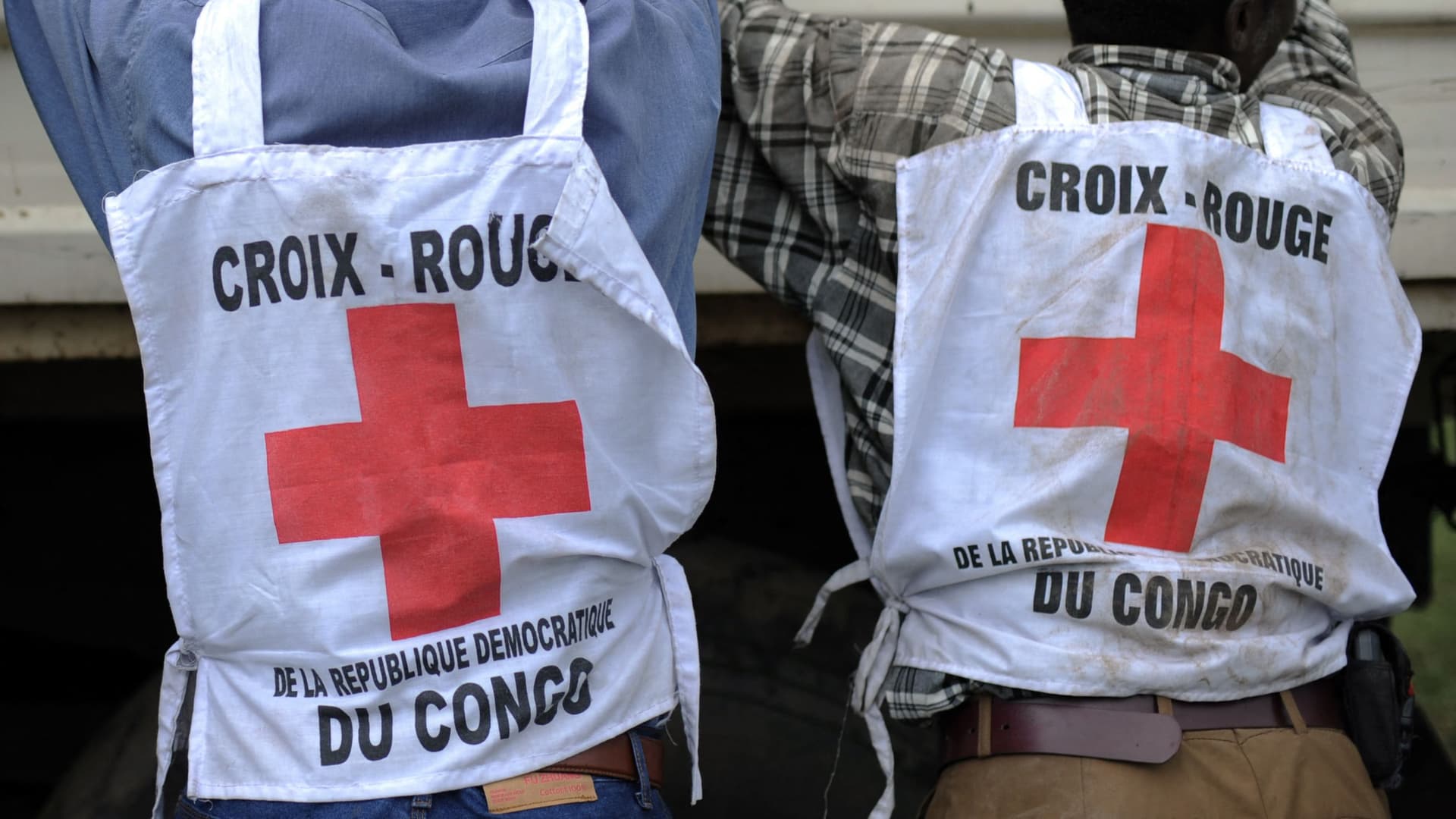
The deaths of three Red Cross volunteers have sharpened concern over Ebola protection on the front lines, after the workers likely contracted the virus during a humanitarian mission in the Democratic Republic of the Congo in March. Their deaths underline the risks faced by aid staff moving through an active outbreak zone, where protection, tracing and rapid treatment can determine whether exposure ends with one case or cascades into many.
The warning comes with Uganda still carrying the memory of its 2025 outbreak, which the World Health Organization’s Africa office declared over on April 26, 2025. That outbreak was confirmed on January 30, 2025, in Kampala and became Uganda’s eighth Ebola outbreak. Officials recorded 14 cases in all, 12 confirmed and 2 probable, with four deaths, including two probable deaths.
Uganda’s response leaned heavily on the Uganda Red Cross Society, which worked with support from the International Federation of Red Cross and Red Crescent Societies and alongside the Ministry of Health and other partners. WHO said Uganda’s Ministry of Health and partners later held a three-day after-action review on June 20, 2025, followed by a national Ebola accountability forum on July 24, 2025, to assess the response and tighten readiness for the next flare-up. Those reviews mattered because Ebola control depends not only on medical care, but on how quickly health workers can isolate patients, trace contacts and protect people doing the response work.
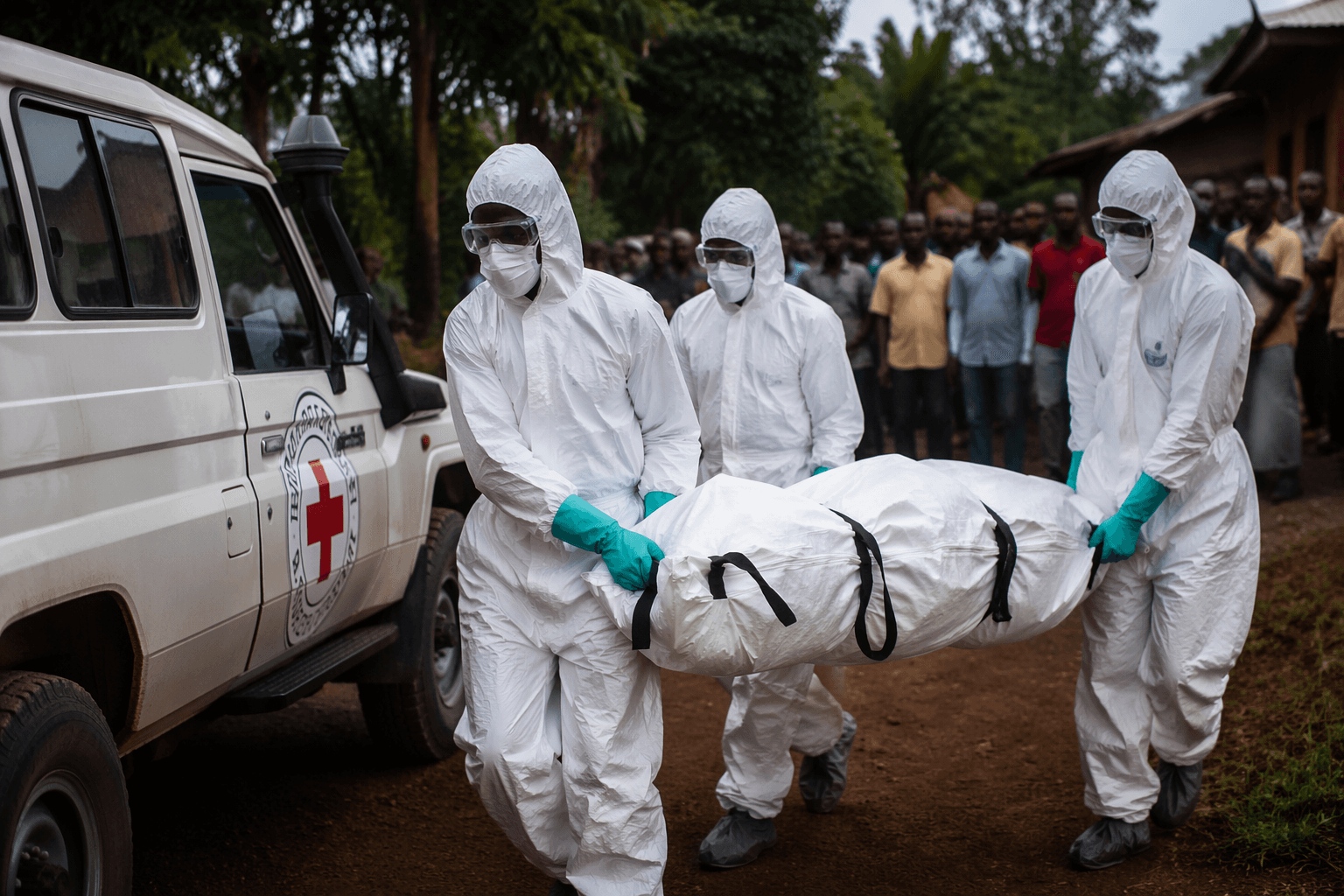
The danger now sits well beyond Uganda. On May 17, 2026, WHO declared the Ebola disease caused by Bundibugyo virus in the Democratic Republic of the Congo and Uganda a public health emergency of international concern. By May 18 and 19, the Congo outbreak had reached nearly 500 suspected cases and 116 suspected deaths, according to WHO and United Nations briefings. By May 20, that total had climbed to more than 600 suspected cases and 139 suspected deaths. The speed of that rise is what is driving alarm among international health officials.
For Uganda, the latest deaths are a reminder that even after an outbreak is declared over, the system must stay ready for importation from neighboring countries. For the United States, the immediate threat is not widespread local transmission, but the need for strict preparedness at the borders of the health system: fast symptom recognition, isolation protocols, laboratory capacity and contact tracing if a traveler arrives from an affected area. The bigger lesson from the Red Cross deaths is simple: when frontline protection fails, Ebola can exploit every gap between countries, clinics and communities.
This article was produced by Prism’s automated news system from verified source data, official records, and press releases, then run through automated quality and moderation checks before publishing. The system is built and supervised by the people who set the standards it runs under. Read our full AI policy.
Did this article answer your question?