Tierra del Fuego Rejects Blame in Cruise Ship Hantavirus Outbreak
Tierra del Fuego is battling a cruise-linked hantavirus scare that officials say did not start there, even as Ushuaia’s tourism economy absorbs the reputational hit.
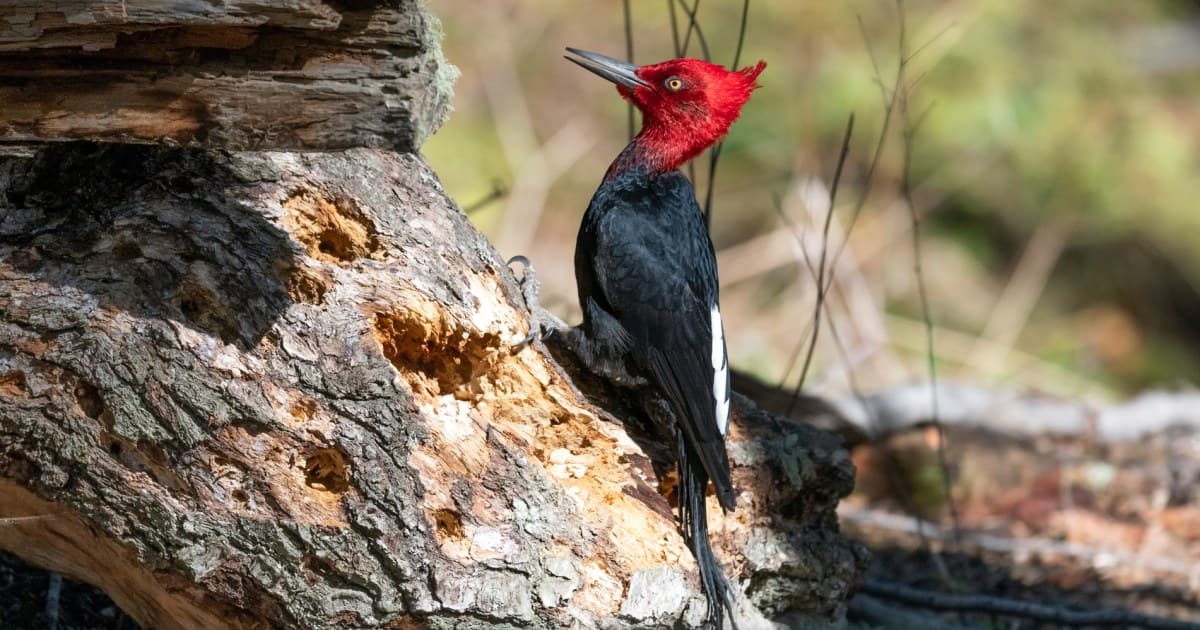
Tierra del Fuego officials are trying to keep a lethal cruise ship hantavirus cluster from defining Ushuaia, a gateway city better known for Antarctica departures, birding and rugged nature tourism. Provincial leaders say the virus was not born in the southern Argentine province and argue the passengers were likely exposed elsewhere in the country before ever reaching the port.
The World Health Organization said the cluster was first reported on May 2 aboard the Dutch cruise ship MV Hondius, which was carrying 147 passengers and crew. By May 4, the agency said there were seven cases in all, including two laboratory-confirmed hantavirus infections and five suspected cases, with three deaths, one critically ill patient and three people showing mild symptoms. The WHO said the wider public risk remained low and that travel restrictions were not needed.
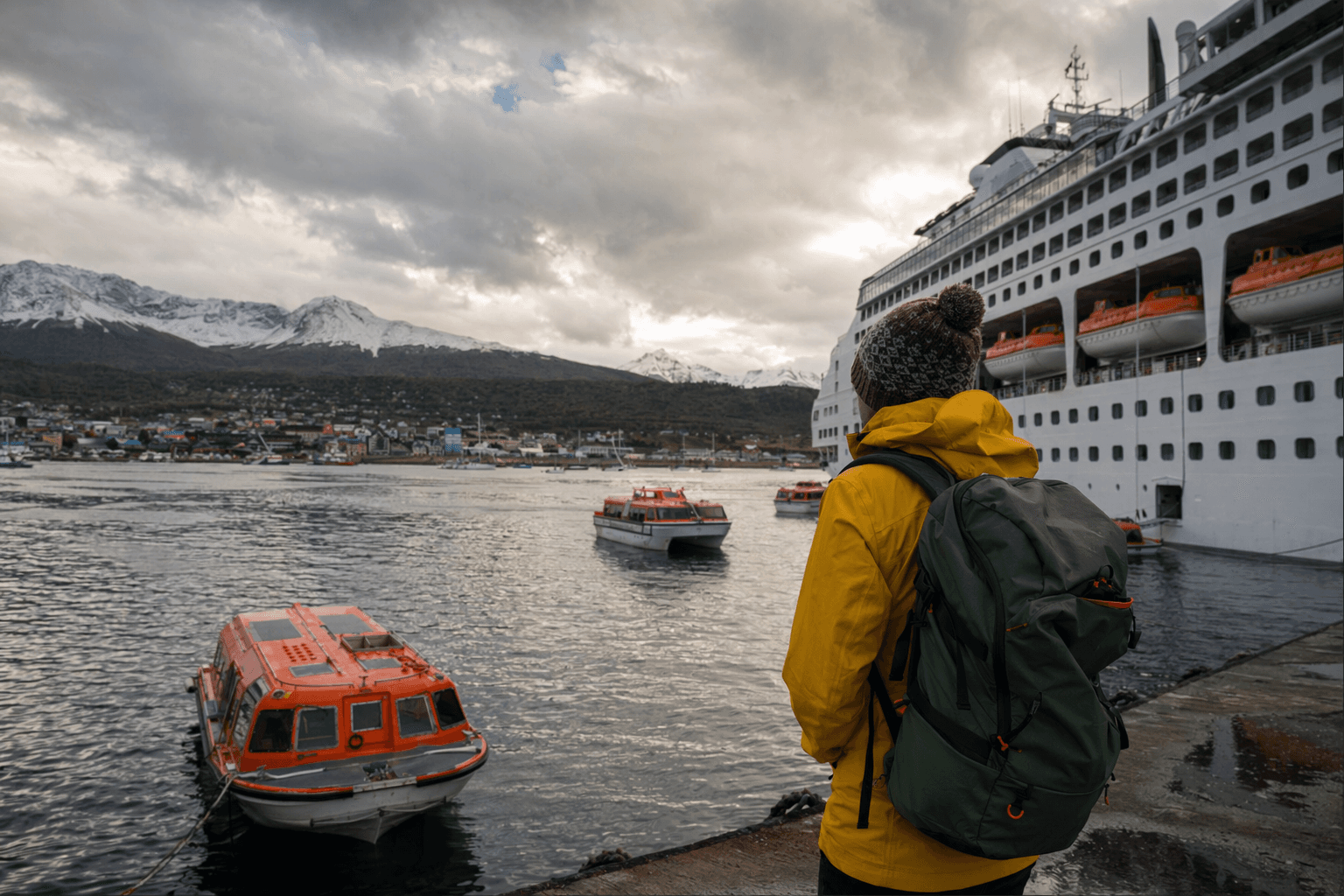
Juan Petrina, Tierra del Fuego’s provincial epidemiology director, said the Dutch passenger had an “almost zero” chance of being infected in Ushuaia. He pointed to the timing, saying the couple spent about 48 hours in the city before the ship sailed on April 1, and said the likely exposure happened elsewhere in Argentina during the longer trip before boarding. Oceanwide Expeditions said 114 guests boarded the MV Hondius in Ushuaia that day, and that the first confirmed hantavirus case was not reported until May 4.
The company said the outbreak involved passengers who later tested positive for the Andes virus, the South American hantavirus strain that can spread from person to person, though rarely. Local experts have also suggested the couple may have been exposed during a bird-watching outing at a landfill site or while traveling in other Argentine provinces, not in Tierra del Fuego itself.

The stakes for Ushuaia are high. As the main gateway to Antarctica, the city drew more than 157,000 cruise passengers last year, nearly double its local population, making cruise traffic a central part of Tierra del Fuego’s economy. Provincial officials fear that tying the destination to a deadly virus could discourage bookings in future seasons, especially as the region already faces economic strain from national policies affecting other industries.
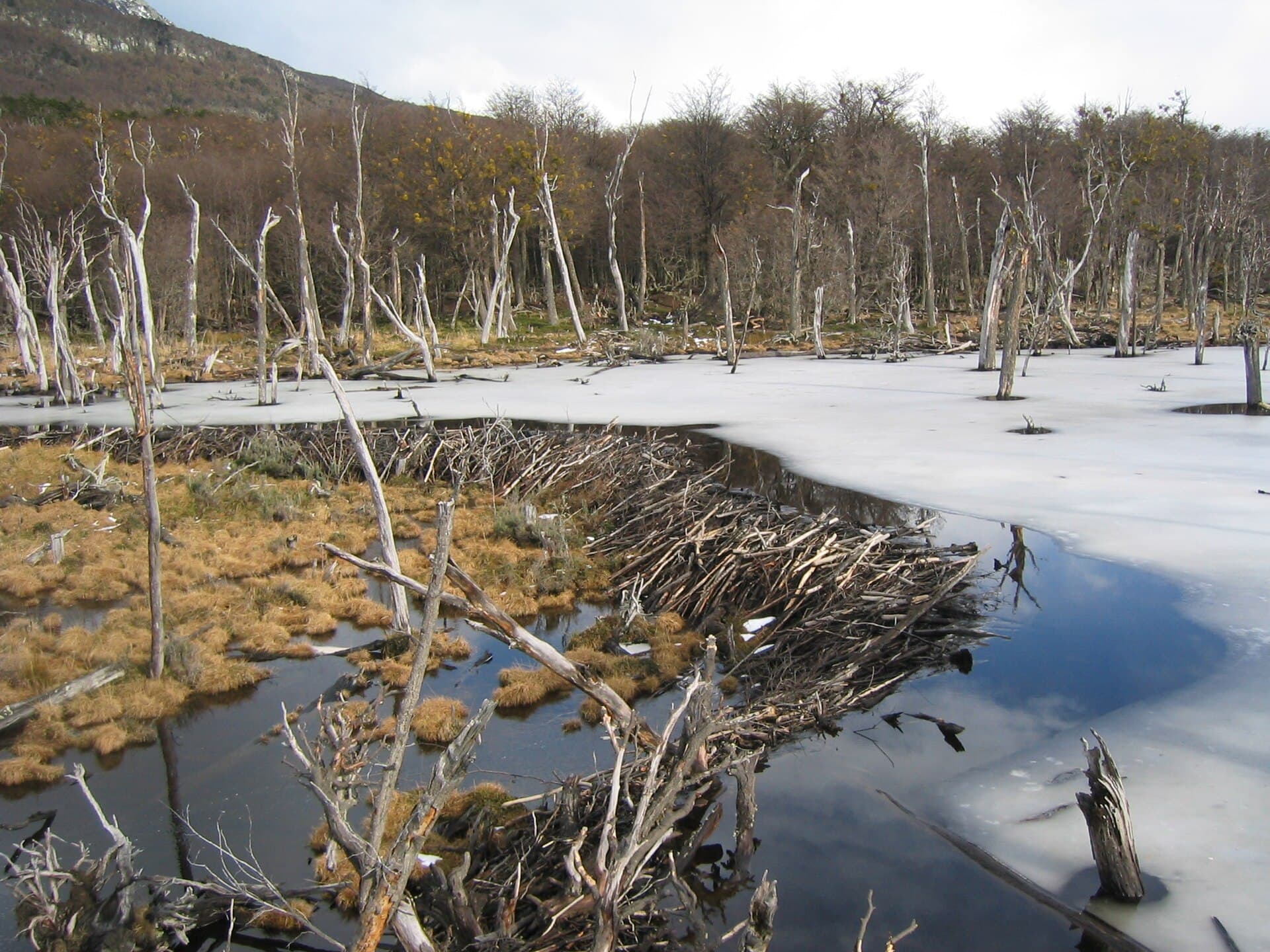
Tourism promoters and bird guides are also pushing back to protect Tierra del Fuego’s reputation as a conservation destination. The province markets around 200 bird species, including marine and migratory birds, along with national park trips and wildlife-focused excursions that draw visitors from around the world. The hantavirus cluster has put that image under pressure, even as health authorities insist the outbreak does not point back to the province itself.
This article was produced by Prism’s automated news system from verified source data, official records, and press releases, then run through automated quality and moderation checks before publishing. The system is built and supervised by the people who set the standards it runs under. Read our full AI policy.
Did this article answer your question?