TikTok challenges EU gatekeeper label in landmark Big Tech case
TikTok asked Europe’s top court to erase its gatekeeper label, a ruling that could reshape how Brussels polices Big Tech.
TikTok took its fight against Europe’s digital rulebook to the bloc’s highest court, asking judges in Luxembourg to strike down ByteDance’s designation as a gatekeeper under the Digital Markets Act. The case goes to the heart of what TikTok is trying to avoid: a compliance regime built to force dominant platforms to open their systems, give rivals more room, and give users more choice, with penalties that can reach 10% of worldwide annual turnover for serious breaches.
The DMA applies to platforms that clear a set of thresholds, including at least 45 million monthly active end users in the European Union and at least 10,000 yearly active business users, plus a durable gateway position. Once a company is designated, it must follow a long list of obligations, including rules meant to stop self-preferencing, let users uninstall preloaded apps more easily, support switching and data portability, allow business users to reach customers outside the platform, and seek consent before combining personal data across services. The European Commission enforces those rules, and it has already named Alphabet, Amazon, Apple, ByteDance, Meta and Microsoft as gatekeepers, later adding Apple’s iPadOS.
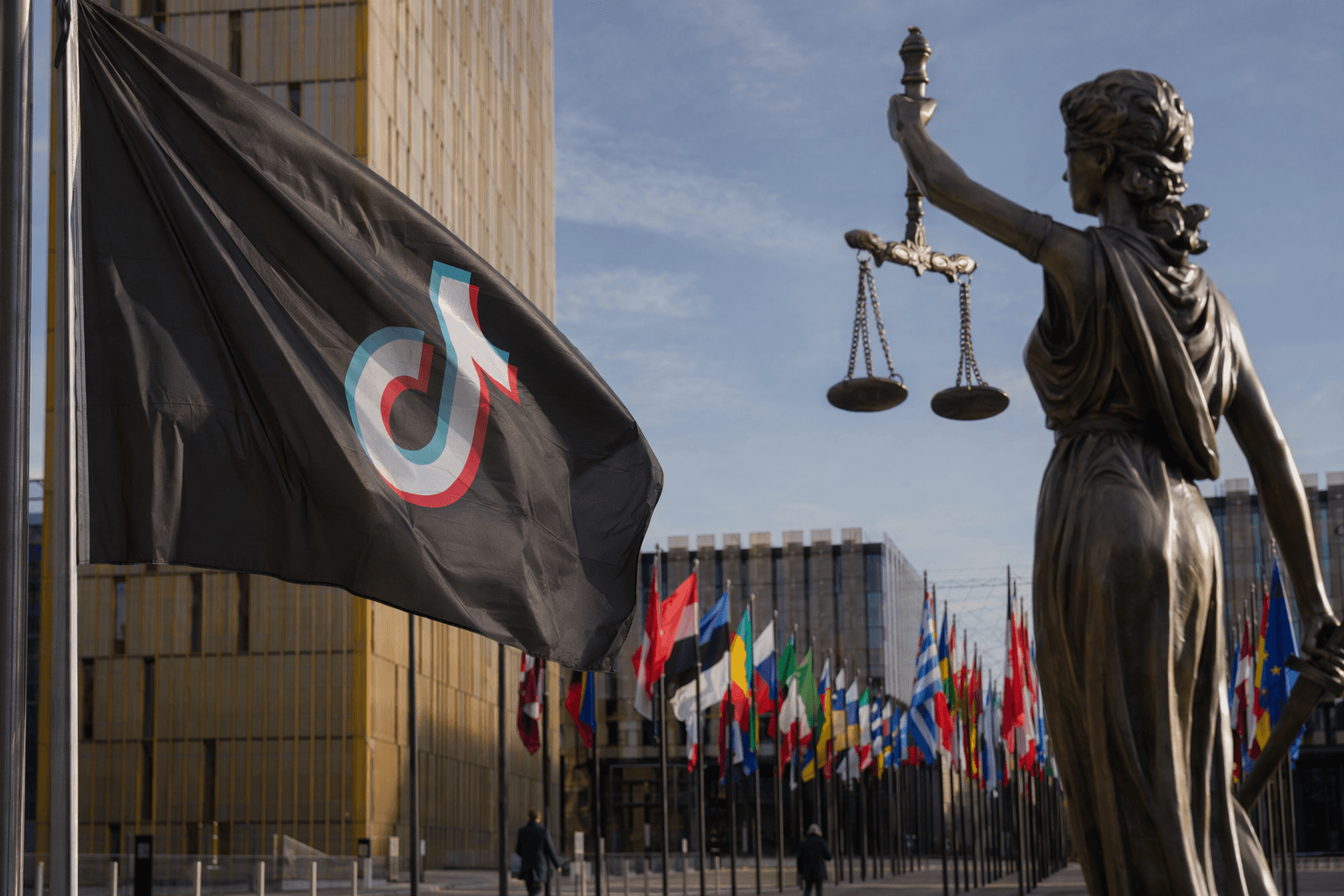
ByteDance was designated on September 5, 2023, after the Commission concluded that TikTok met the DMA’s test for a large online platform with significant reach. TikTok’s own transparency report shows the service had an average of 159 million monthly active recipients in EU member states in the July-December 2024 period, a number that has kept regulators focused on the company. A lower court rejected ByteDance’s earlier challenge on July 17, 2024, saying the Commission was entitled to treat it as a gatekeeper.
At Tuesday’s hearing in case C-627/24 P, TikTok lawyer Bill Batchelor argued that the tribunal had gotten it wrong and that the company does not satisfy the law’s three core tests: significant market impact, serving as a key business gateway to users, and holding an entrenched position. Batchelor said ByteDance’s market value is overwhelmingly tied to Asian operations and argued that competition in Europe is different, with users able to move easily among platforms. He told judges that 70% to 80% of TikTok users also use other services in parallel, including Facebook, Instagram, Snap and X, a pattern he described as multihoming.

The Commission pushed back. Lawyer Mislav Mataija said some user groups may still depend on TikTok even if they also use rival platforms. The ruling will matter beyond one app: Meta is also contesting its own gatekeeper designation for Messenger and Marketplace, and the court’s decision will help define how aggressively the European Union can regulate fast-growing platforms and whether its tech rules can set the pace far beyond Europe.
This article was produced by Prism’s automated news system from verified source data, official records, and press releases, then run through automated quality and moderation checks before publishing. The system is built and supervised by the people who set the standards it runs under. Read our full AI policy.
Did this article answer your question?