TikTok maker turns a purse into a viral cyberdeck
A London maker hid a Raspberry Pi computer inside a purse, turning a cyberdeck into a fashion object and a small rebellion against slick consumer tech.
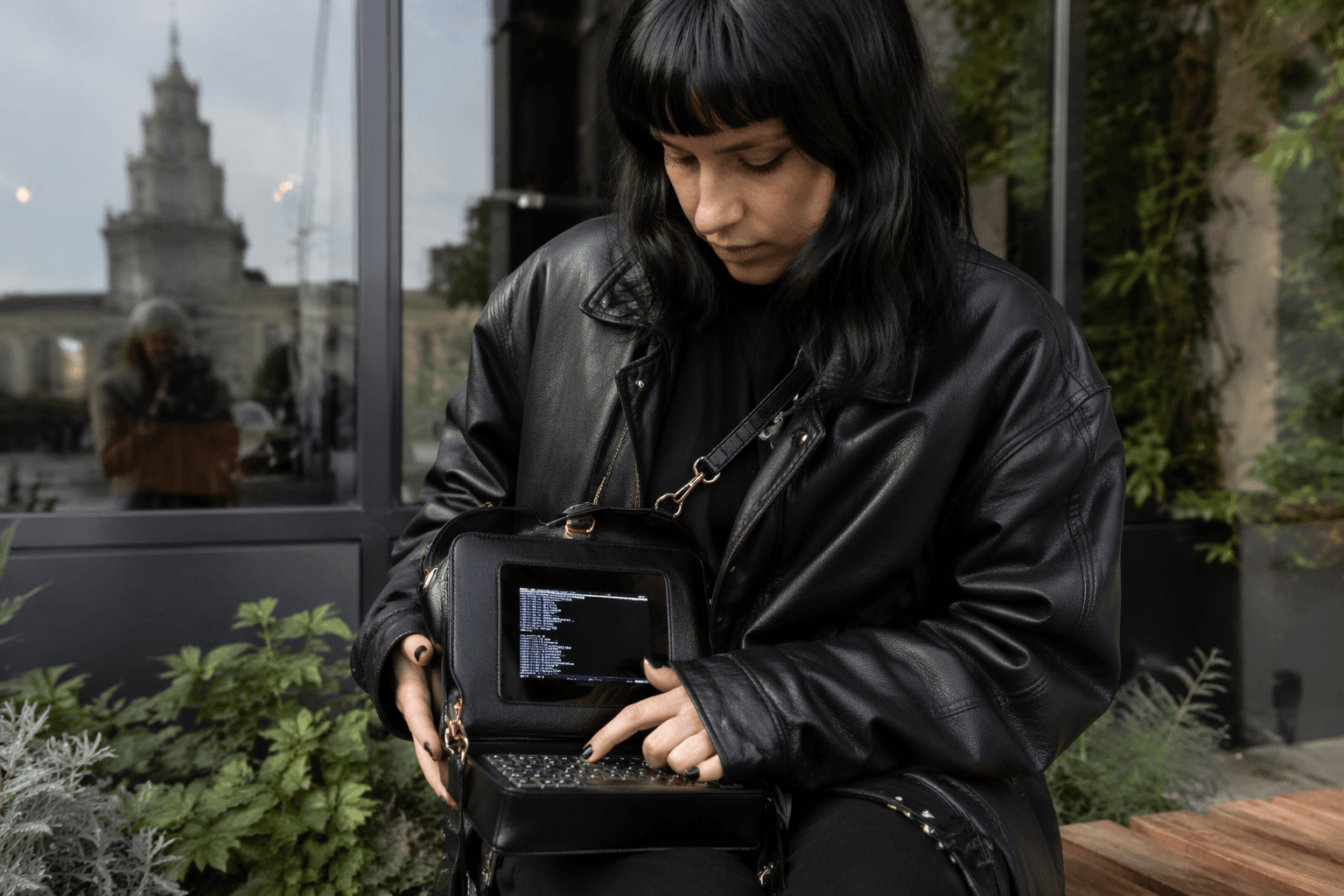
Annike Tan turned a purse into a computer so discreet that it could pass as an accessory, not a machine. The 22-year-old Londoner, who posts as @ubeboobey on TikTok, went viral earlier in 2026 with a mermaid-themed cyberdeck tucked inside a repurposed bag, part art object and part portable PC. Her account has since drawn more than 230,000 followers and millions of views, making her one of the clearest faces of a growing DIY movement that treats personal computing as something handmade, expressive and defiantly unpolished.
Tan’s first widely shared build appeared on TikTok in March 2026 with the caption “fuck it. cunty cyberdeck.” The device reportedly combined a Raspberry Pi single-board computer with a small keyboard and screen, then finished the disguise with pearls, gold jump rings and fake moss. The result looked less like a laptop than a piece of fantasy-costume craftsmanship, which is exactly why it spread so quickly. Tan has since upgraded that build and added an MP3 player and a solar-powered cyberdeck to her inventory, extending the project from novelty into a personal ecosystem of devices.
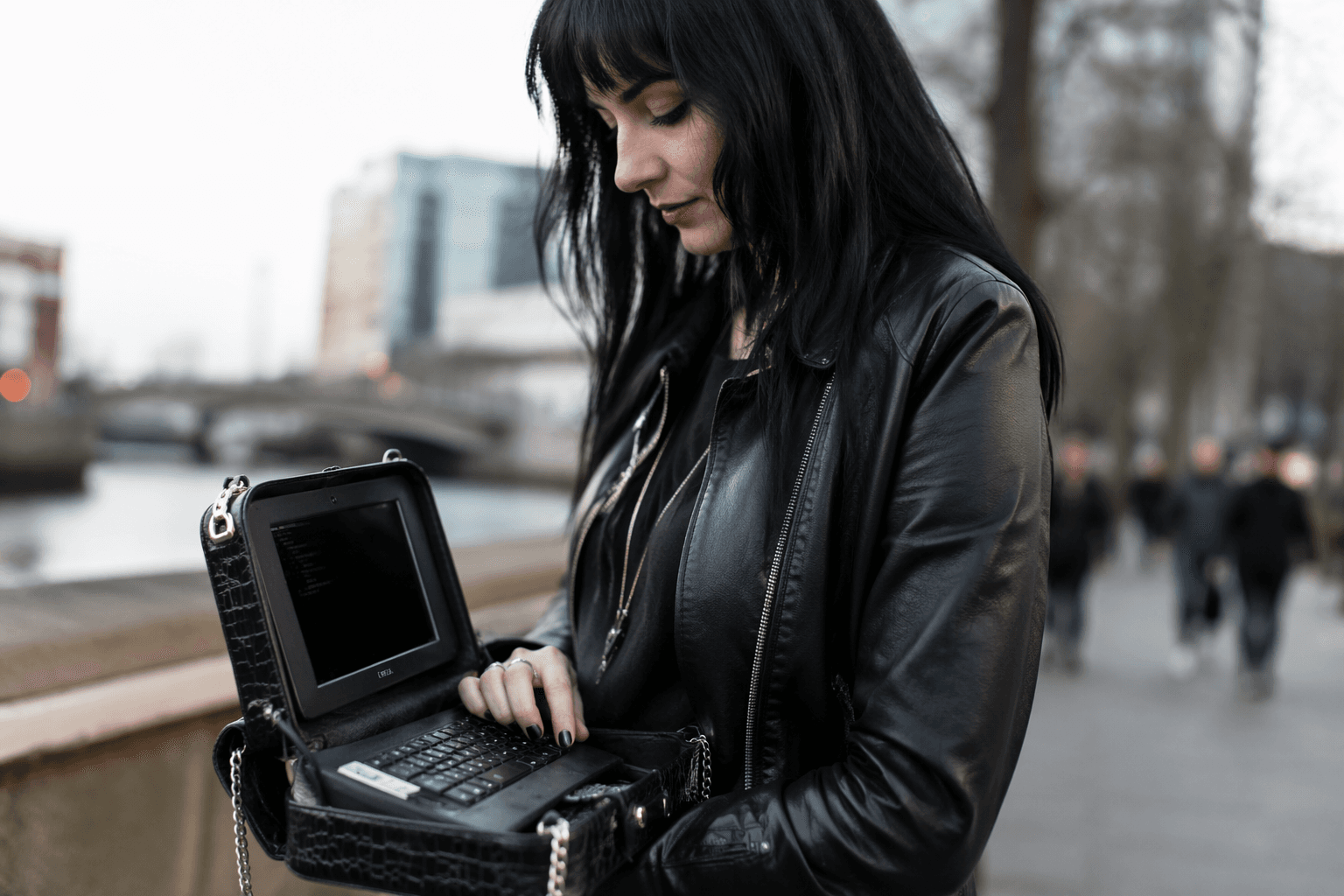
The appeal reaches beyond Tan’s one purse. Cyberdeck culture reaches back to William Gibson’s 1984 novel Neuromancer, where the term described a custom cyberspace deck. The idea stayed mostly in hacker and maker circles until credit-card-sized computers such as the Raspberry Pi became available in the 2010s, giving hobbyists a cheap core around which to build their own portable rigs. The Raspberry Pi Model B launched on February 29, 2012, and was aimed at software and hardware enthusiasts, makers and teachers who wanted to build things with it. Once that hardware existed, the cyberdeck stopped being fiction and became a field for improvisation.
What is changing now is the style, and the politics, of the builds. Recent coverage shows women on TikTok and Instagram pushing cyberdecks into purses, jewelry boxes, toys and old tech, hiding Raspberry Pi boards inside objects that read more like personal artifacts than gadgets. That shift matters because it rejects the old cyberdeck look, which often mimicked rugged little laptops or Pelican-style briefcases. Instead of chasing sleekness, these makers are embracing ornament, concealment and individuality, a quiet refusal of standardized hardware, big-tech surveillance and the increasingly same-looking world of AI products.
Tan’s work sits at the center of that shift. Her purse build is viral not because it is the most powerful machine, but because it makes the computer look handmade, private and unmistakably hers. In a market dominated by glossy sameness, that kind of refusal has become its own kind of status symbol.
This article was produced by Prism’s automated news system from verified source data, official records, and press releases, then run through automated quality and moderation checks before publishing. The system is built and supervised by the people who set the standards it runs under. Read our full AI policy.
Know something we missed? Have a correction or additional information?
Submit a Tip