Anthropic co-founder warns AI needs a brake pedal as it advances
Jack Clark says AI is nearing self-directed improvement and warned governments need a "brake pedal" before the technology outruns control.

Anthropic co-founder Jack Clark says artificial intelligence is nearing a point where it could improve without human input, and that governments need a way to slow the technology before its reach expands further.
Clark, who is Anthropic’s head of policy and one of seven former OpenAI employees who founded the company in 2021, told BBC Newsnight that the industry needs a "brake pedal" as AI systems grow more capable. "You want the option to be able to take your foot off the gas and put your foot on the brake," he said, adding that the AI industry has "a gas pedal but no brake pedal." He argued that people, through government policy, must keep control of systems as they become more powerful and affect more of society.
The warning lands inside one of the industry’s most prominent safety-focused firms. Anthropic says it is an AI safety and research company working to build reliable, interpretable and steerable AI systems. That branding has helped make the company a central voice in the policy debate even as frontier model development accelerates and private investors valued Anthropic at $380 billion in February 2026, according to Forbes.
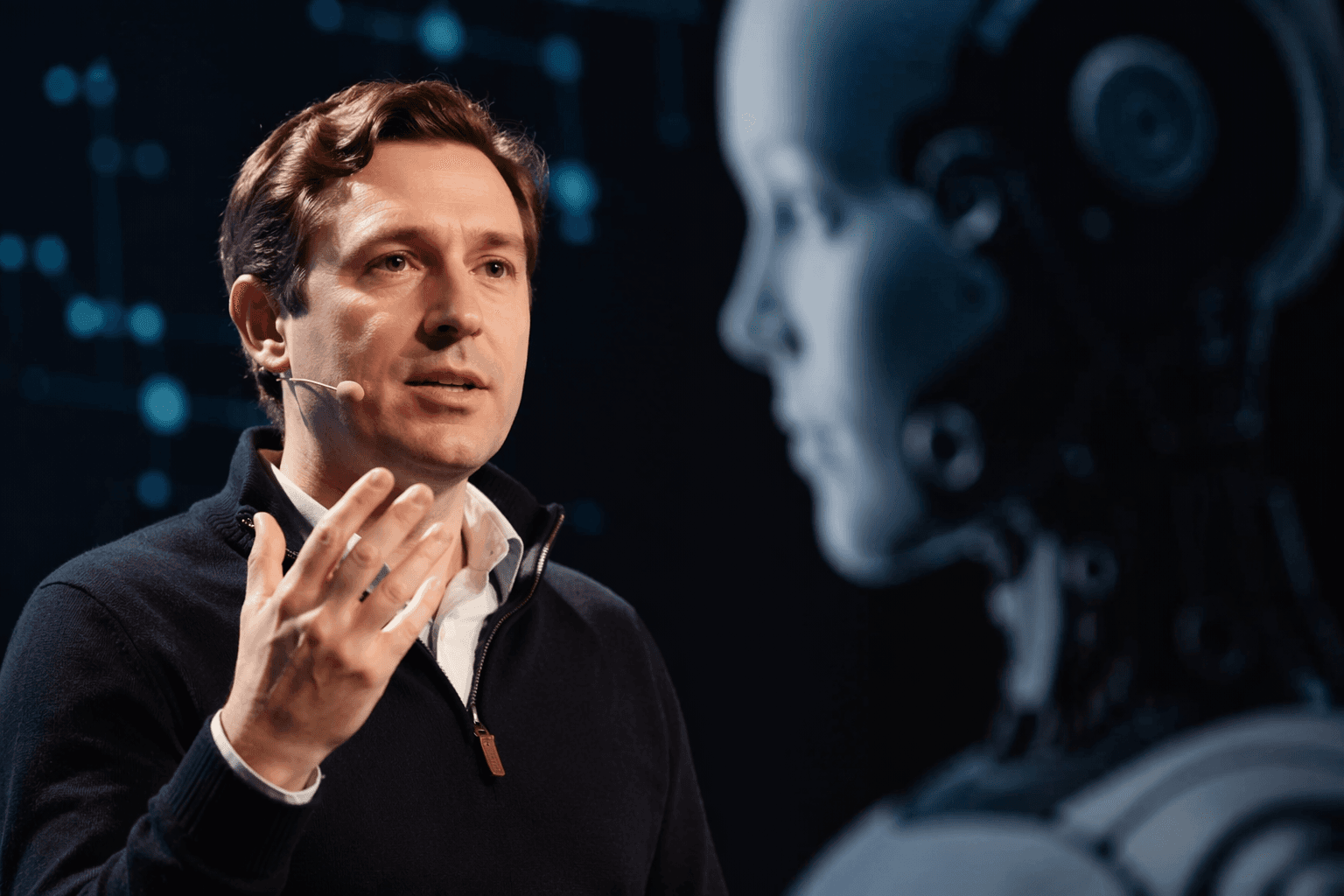
Clark has also suggested the pace of model self-improvement is already moving quickly. In related remarks reported around the same period, he said Claude was running on code "of which 80% the system wrote itself" and that reaching 100% could be possible within two years. He described that prospect as carrying huge implications. Separate reporting also said he warned that AI may soon become more capable than humans collectively and compared current complacency about AI risk with the failure to prepare for pandemics such as COVID-19.
His comments come as policymakers face pressure to translate abstract warnings into specific guardrails. Any real "brake pedal" would likely depend on hard rules, not voluntary pledges: compute limits to slow the largest training runs, licensing to control who can build advanced systems, mandatory testing before release, shutdown authority when systems misbehave, and protections for workers who flag dangerous practices.

Clark has used major public forums to press the same case. He delivered the 2026 Cosmos HAI Lab Lecture at Oxford on May 20, 2026, under the title "Change is inevitable. Autonomy is not." He also testified before the U.S. House Select Committee on the Chinese Communist Party on June 25, 2025, underscoring how closely AI policy is now tied to national competition.
The question now is whether the rules lawmakers write will truly restrain the most powerful models, or merely reassure a public watching the industry speed ahead.
This article was produced by Prism’s automated news system from verified source data, official records, and press releases, then run through automated quality and moderation checks before publishing. The system is built and supervised by the people who set the standards it runs under. Read our full AI policy.
Know something we missed? Have a correction or additional information?
Submit a Tip