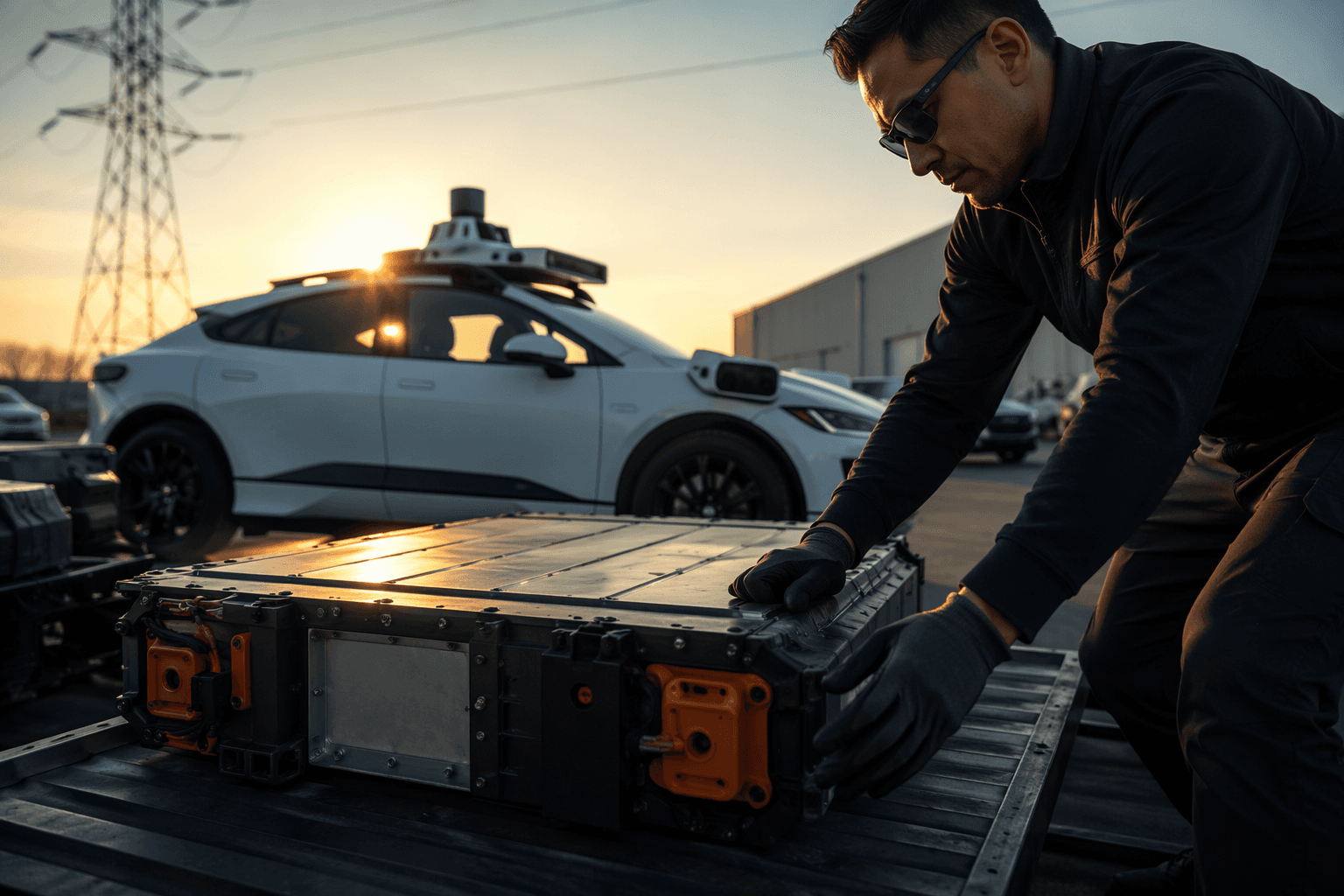
Uber to deploy 500 sensor-packed vehicles for robotaxi data collection
Uber is sending 500 sensor-packed Hyundai EVs into dozens of markets, betting that street-level data will become the most valuable asset in robotaxis.

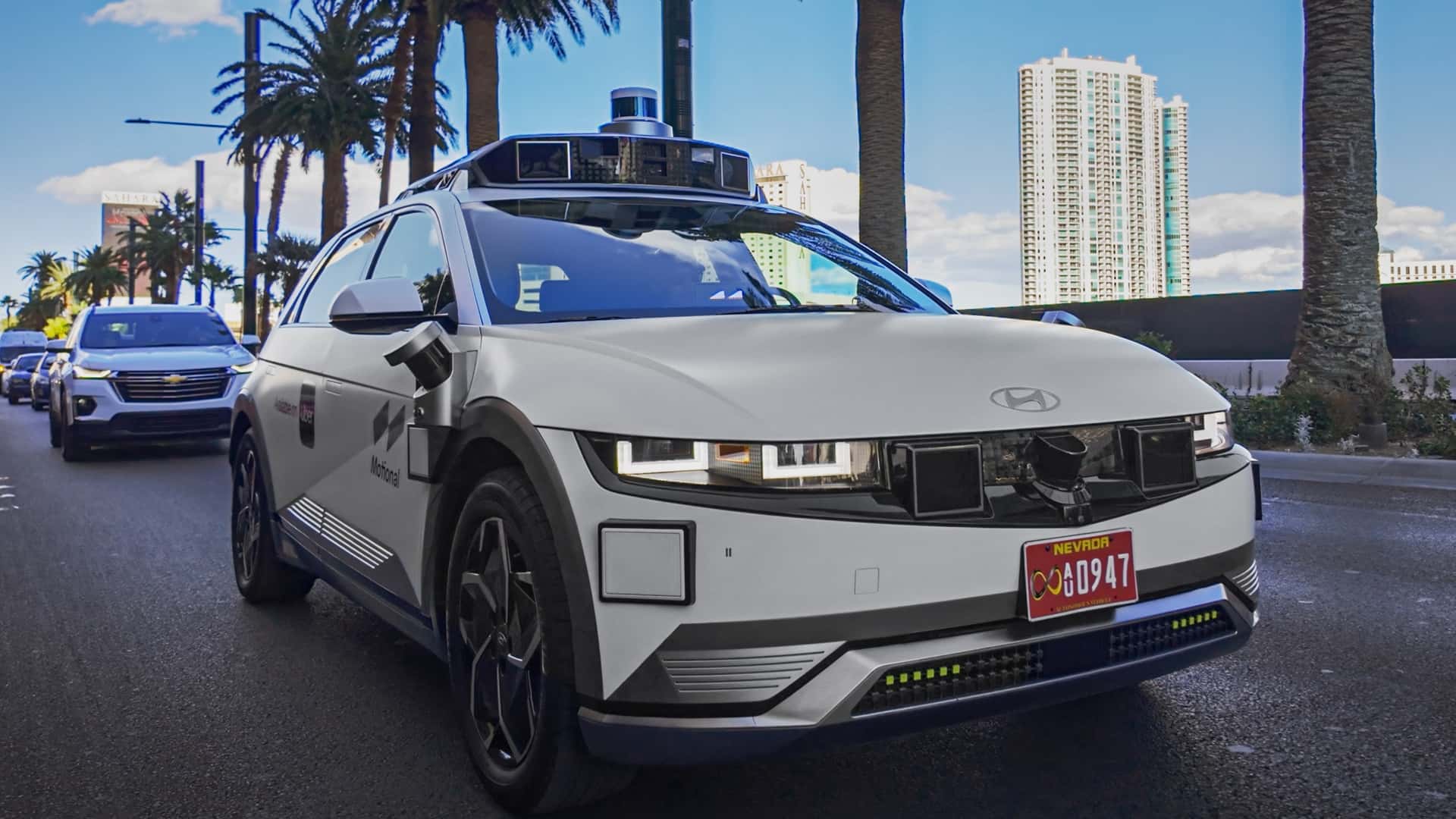
Uber has moved its autonomous-vehicle push into a new phase: building its own sensor-heavy fleet to collect the driving data that could shape which companies win the robotaxi race. The company said it plans to deploy 500 Hyundai Ioniq 5 vehicles worldwide this year, with about 50 expected to be on the road by summer and enough scale to generate up to 2 million miles of high-fidelity data each month.
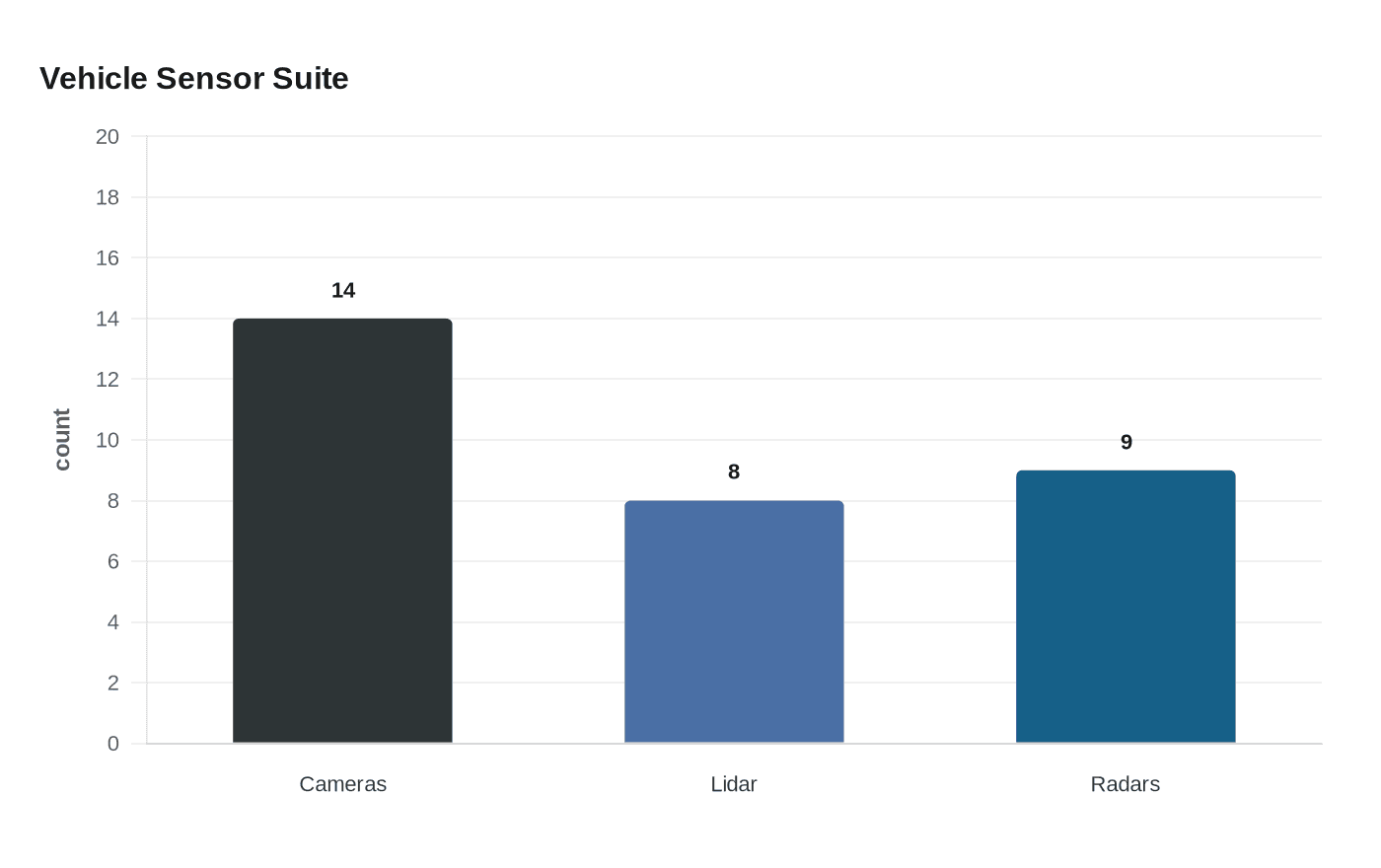
The vehicles are built as data-gathering machines, not consumer cars. Uber’s prototype carries 14 cameras, eight solid-state lidar sensors and nine radars, with the retrofit work handled by Roush Performance and the data routed through Nvidia’s Dual Drive Thor autonomous-vehicle computer. Uber says the fleet will operate across dozens of markets, giving its partners a geographically diverse stream of real-world driving examples that closed-course testing cannot match.
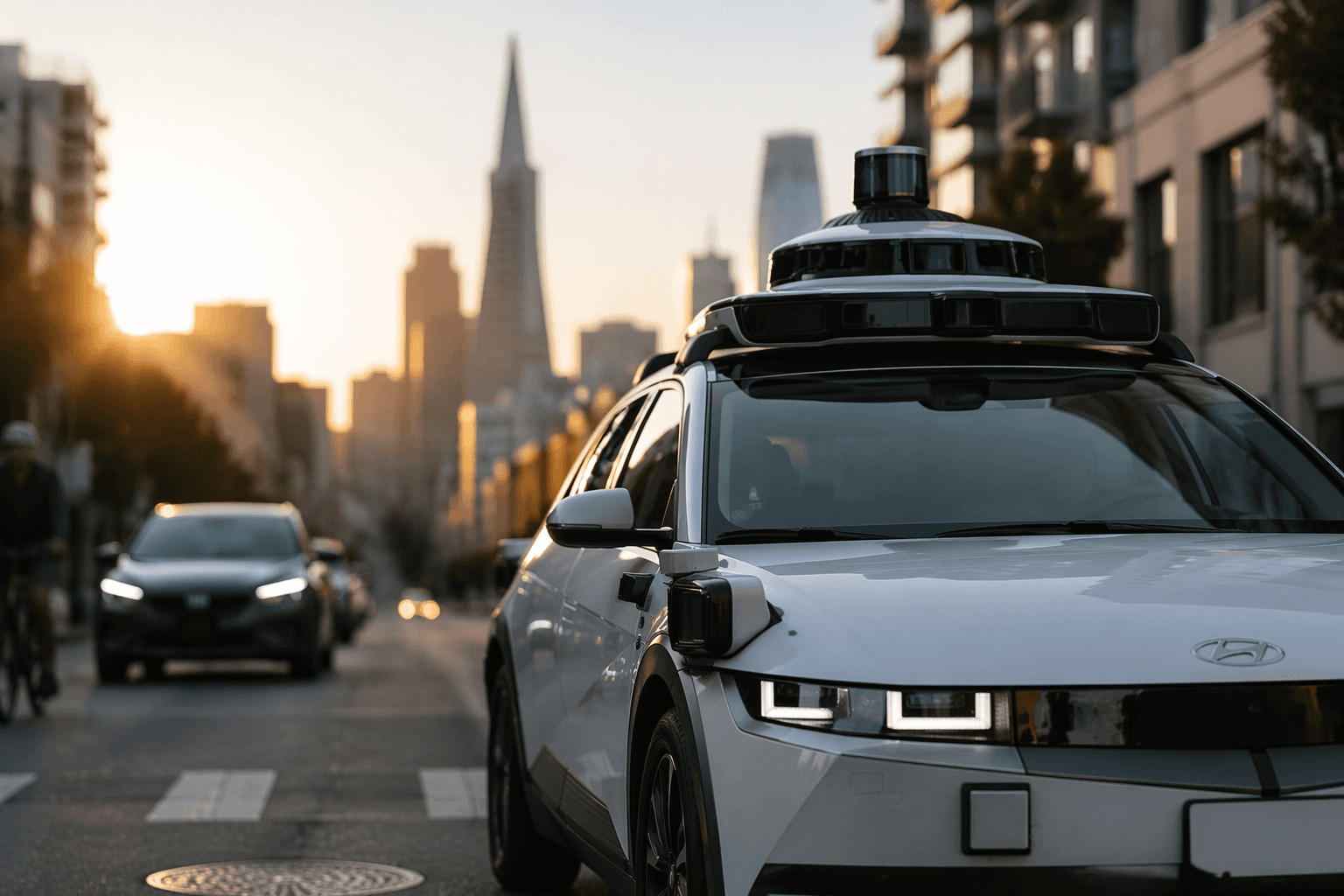
That matters because autonomy has become a contest over data density as much as software. Uber’s AV Labs division says the challenge is now in the street, not on a track, and the company says it already has camera data from thousands of vehicles in dozens of cities, along with hundreds of Lucid Air cars operated by fleet partners in the United States and Europe. Uber is using those feeds to support partners including Avride, Waymo and WeRide, while positioning itself as the infrastructure layer that can help multiple autonomous systems train, map and scale.
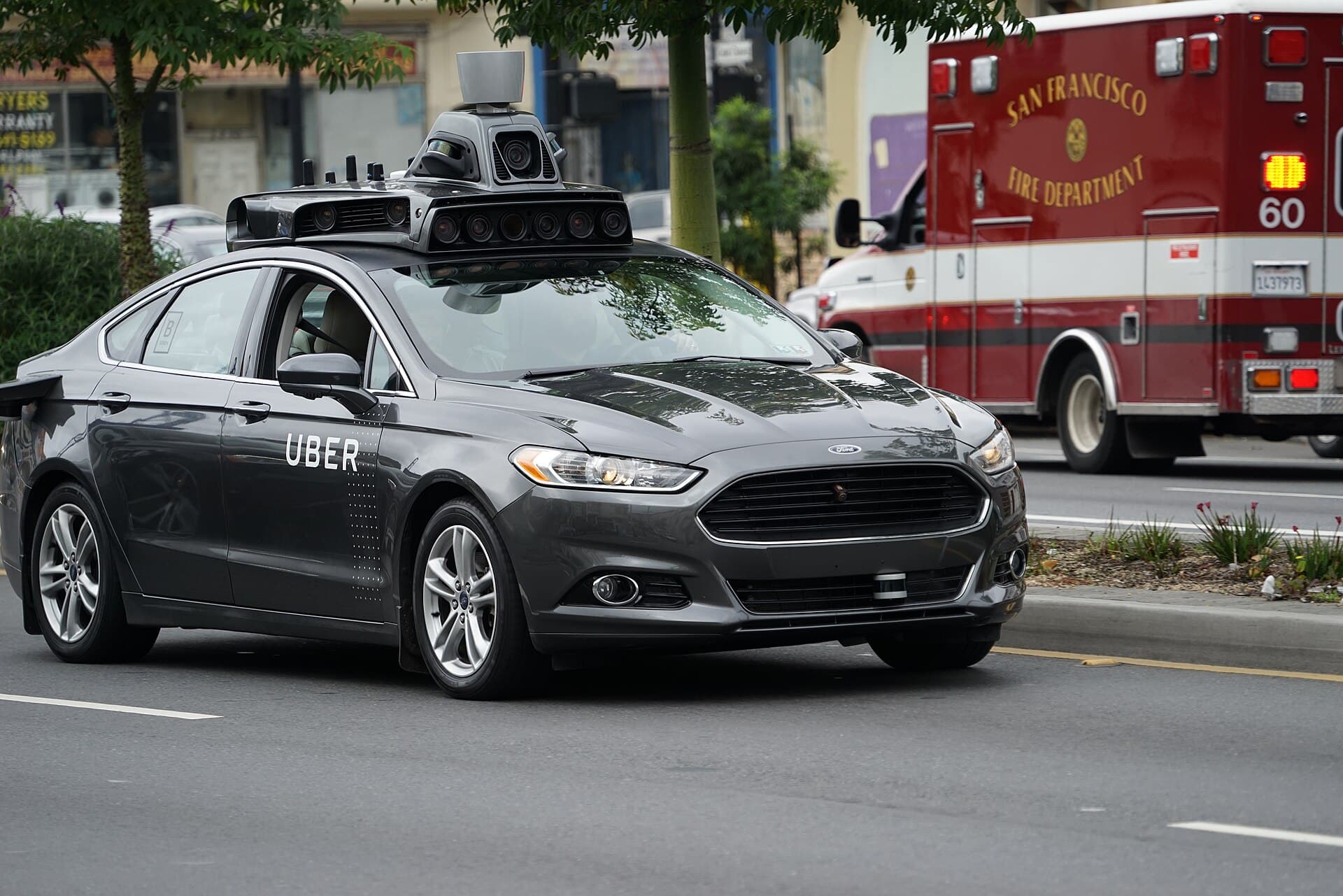
The strategic shift is as important as the hardware. Uber sold its in-house autonomous-vehicle unit to Aurora in 2020, after years of heavy investment and a damaging safety crisis. Now it is returning to the sector through AV Labs and Uber Autonomous Solutions, a business launched in 2026 to give partners data, mapping, regulatory access, fleet operations and financing. In practice, that gives Uber leverage without forcing it to carry all the hardware, software and regulatory risk of building a full robotaxi stack alone.
For cities and drivers, the rollout raises familiar tradeoffs. More sensor-laden vehicles mean more mapping of public streets, more data flowing through a private platform, and more dependence on a company that sits between riders, fleet operators and autonomous developers. At the same time, Uber’s scale could help it become the intermediary that every AV company needs, whether the winner is Waymo, Tesla or another rival. By turning its ride-hailing footprint into a proprietary data engine, Uber is trying to make street-level intelligence as valuable as the car itself.
This article was produced by Prism’s automated news system from verified source data, official records, and press releases, then run through automated quality and moderation checks before publishing. The system is built and supervised by the people who set the standards it runs under. Read our full AI policy.
Know something we missed? Have a correction or additional information?
Submit a Tip