Waymo will repurpose retired robotaxi batteries for grid storage
Waymo is sending retired robotaxi packs to grid storage in California and Texas, testing whether second-life batteries can ease EV waste and add power.
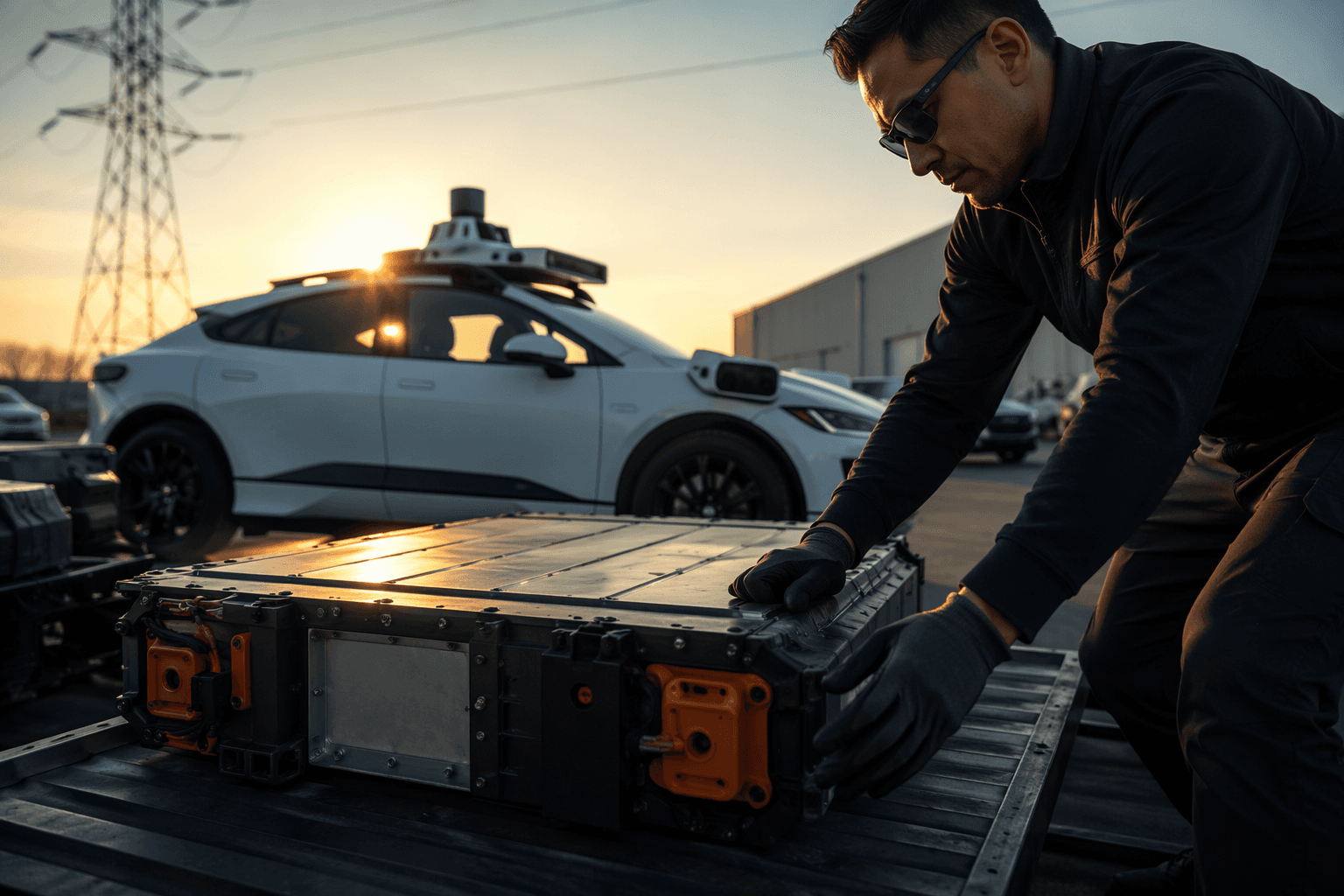
Waymo has struck a battery endgame that could become a national model for electric fleets. The company said retired robotaxi packs will be repurposed for grid storage through B2U Storage Solutions, with the project expected to involve hundreds of megawatts of storage capacity in California and Texas.
The deal lands at a moment when Waymo’s battery stream is only set to grow. Its fleet has relied mainly on Jaguar I-Pace SUVs, with newer Zeekr vehicles now entering service, and its public ride-hailing map stretches across the San Francisco Bay Area, Phoenix, Los Angeles, Miami, Nashville, Orlando, Dallas, Houston and San Antonio, with Austin and Atlanta available through Uber. As Waymo expands its U.S. footprint and factory output, it will keep generating used packs that need an answer beyond the scrap heap.
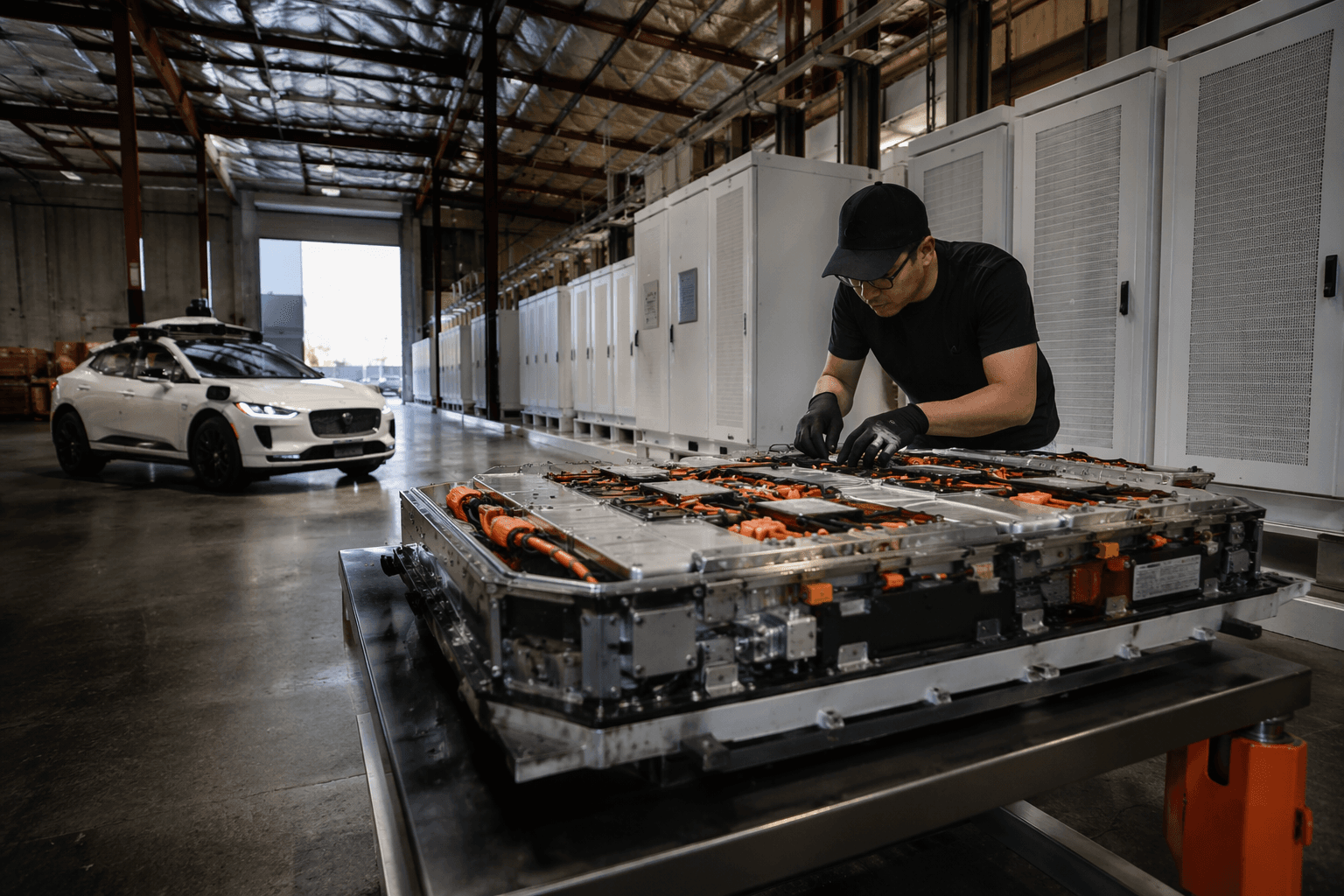
That is where B2U’s business comes in. The Los Angeles area company, founded in 2019, says its patented EPS technology can repurpose used EV battery packs without modification and run them in solar-paired or stand-alone storage projects. B2U has already built a track record that suggests this is more than a one-off experiment: its Lancaster, California facility reached 25 megawatt-hours using 1,300 second-life packs, while other reported projects include a 12 megawatt-hour site in Santa Barbara County and a 24 megawatt-hour facility east of San Antonio, Texas. B2U also says its Palmdale conversion will reach 10 megawatt-hours when complete.
The larger economic question is whether those examples can scale fast enough to matter. EV batteries do not need to be new to remain valuable, but they do need testing, integration, power electronics and site development before they can support the grid. That hidden infrastructure is what turns a retired vehicle pack into a revenue-producing asset. If the math works, fleet operators can lower disposal costs, delay recycling expenses and create a second revenue stream from hardware that would otherwise be retired after road use.
For Waymo, the arrangement is also a sign that autonomy companies are being pushed to think beyond software and safety. Battery lifecycle management is becoming part of the operating model. If hundreds of megawatts of robotaxi batteries can be redeployed reliably, the result could help strengthen grid storage at a time when California and Texas both face rising demand for flexible power. If the model stalls at pilot scale, it will still leave one clear lesson: electrification is not just about building more vehicles, but about building the machinery to reuse them intelligently when their road life ends.
This article was produced by Prism’s automated news system from verified source data, official records, and press releases, then run through automated quality and moderation checks before publishing. The system is built and supervised by the people who set the standards it runs under. Read our full AI policy.
Know something we missed? Have a correction or additional information?
Submit a Tip