Timing your ice bath: match plunge schedules to goals and environment
A new practical guide explained how to time cold-water immersion for energy, hypertrophy, sleep and fat loss. It matters because timing, not just temperature, changes results and safety.

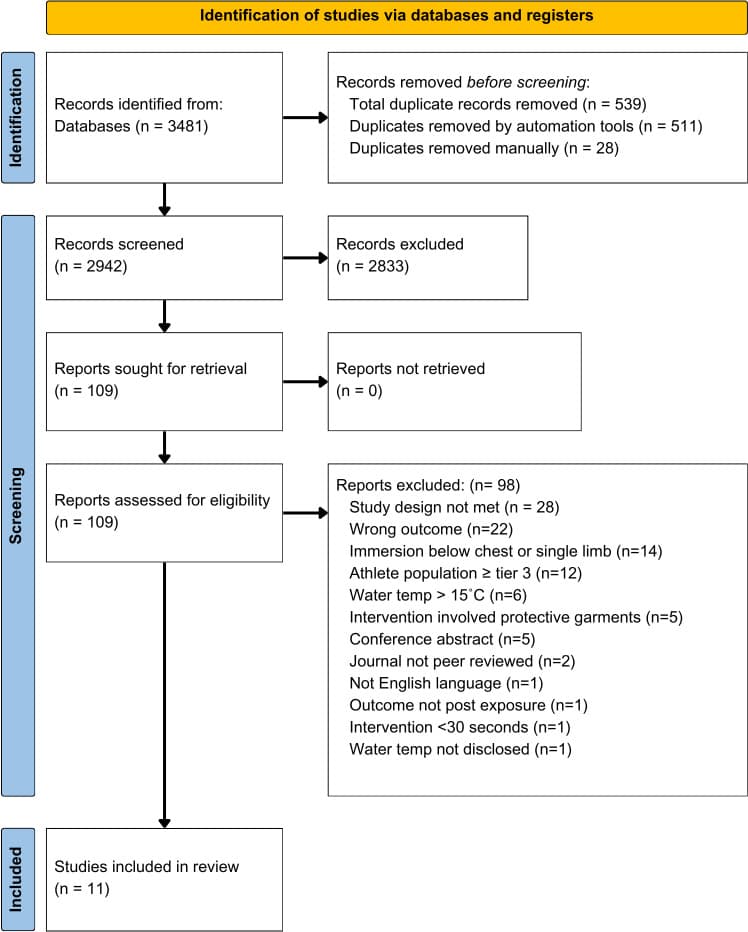
A detailed practical guide for cold-water immersion argued that there is no single best time to ice bath; instead timing should be matched to your goal, circadian rhythm and local environment. The guide laid out clear, goal-driven protocols and safety notes to help hobbyists, athletes and wellness customers design a plunge schedule that meets energy, recovery and sleep priorities.
The headline recommendation: morning plunges between 6–9 AM are best for a dopamine and alertness boost. The guide summarized landmark research showing cold exposure raises dopamine and norepinephrine, and explained why an early-morning dose of cold can serve as a low-cost stimulant for attention and mood. For people chasing fat-loss or metabolic benefits, morning or fasted sessions were positioned as practical, goal-aligned timing.
The guide warned against immediately plunging after heavy strength sessions. It cited the Roberts et al. study showing that post-workout cold can blunt hypertrophy, and recommended a buffer of six hours or more after resistance training before taking a cold immersion if your priority is muscle growth. Strength-focused readers were advised to schedule cold exposure either well before resistance work or later in the day after the hypertrophy window has closed.
Regional climate and menstrual cycle factors changed protocol recommendations. In winter climates, the guide recommended shorter early-morning sessions to limit after-drop risk and cold stress when ambient temperatures are low. For tropical or high-humidity environments, adjustments to lower durations and more conservative temperatures were advised because humidity and warm ambient air alter physiological stress and increase after-drop potential. The guide also outlined phase-aware adjustments for women, tailoring timing and dose across menstrual cycle phases to account for thermoregulatory and hormonal differences.
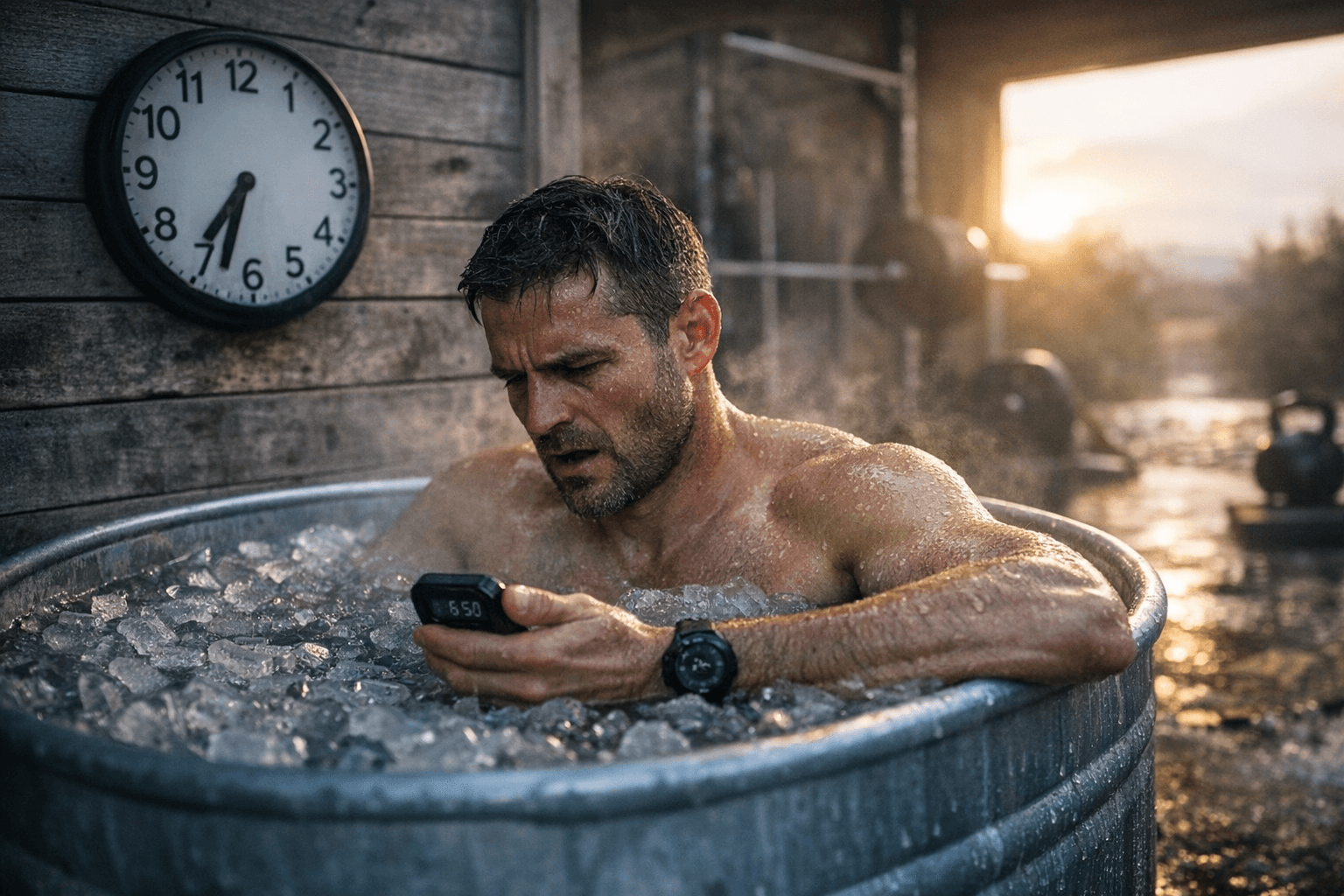
Practical persona protocols illustrated how to apply the rules. Remote executives were shown short, intense morning plunges to sharpen alertness before meetings. Night-shift workers received guidance on using late-afternoon or pre-shift cold to shift the circadian signal without compromising subsequent sleep. The guide blended hands-on field experience from resort and spa installations with the cited literature to offer temperature and duration suggestions tailored to each persona and setting.
For readers this changed the conversation from “is an ice bath good?” to “what is the right ice bath for my goal, schedule and climate.” The takeaway: program your plunges deliberately—time them for energy, recovery or sleep; respect the six-hour buffer after strength work when chasing hypertrophy; shorten or cool doses in extreme cold or humid heat; and tweak timing across menstrual phases. Expect to test small, measured protocols, log responses, and adapt your plunge schedule until it fits your goals and your local weather.
Sources:
Know something we missed? Have a correction or additional information?
Submit a Tip