Tokyo Stocks Rally, Nikkei Reclaims 50,000 on AI Buying
Tokyo equity markets rallied on November 27 as the Nikkei 225 pushed back above the 50,000 level, lifting broader domestic benchmarks and sector leadership in chips and AI related technology. The move matters because it reflects growing investor conviction in AI driven corporate spending and is tied to expectations of easier U.S. monetary policy and fresh domestic stimulus, both of which could reshape flows into Japanese equities.
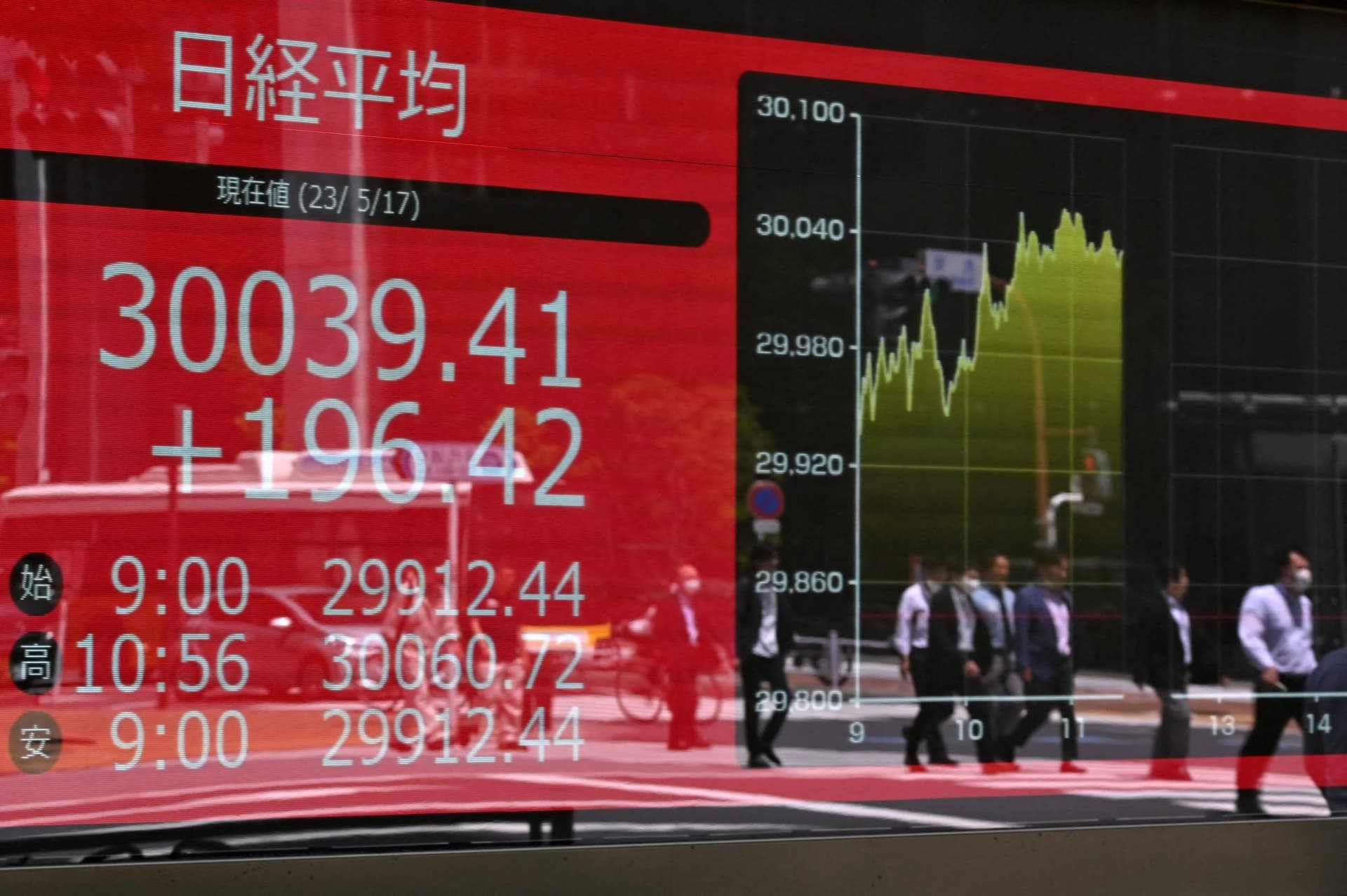
Tokyo stocks rallied vigorously on November 27 as the Nikkei 225 opened sharply higher and climbed past 50,300 intraday before settling near a reported close of about 50,167. The return above the 50,000 mark marked a multi session rebound for Japanese equities and underscored the market momentum concentrated in chipmakers and AI related technology companies.
Broader measures joined the ascent. The TOPIX also advanced and market breadth improved, with gains concentrated in technology, electric machinery and non ferrous metal sectors. Market participants cited a convergence of two catalysts. First, expectations of a gentler path for U.S. Federal Reserve tightening have pushed global risk appetite higher, making equities more attractive relative to cash and low yielding bonds. Second, renewed talk of domestic stimulus in Japan has bolstered investor confidence that policy support could sustain corporate investment and consumption at home.
The composition of the rally points to a structural shift in capital allocation toward AI led supply chains. Semiconductor manufacturers and specialist equipment makers have been among the strongest performers, reflecting demand projections from data center build outs and advanced manufacturing. Electric machinery firms and materials companies producing copper and other non ferrous metals also benefited from that hardware investment theme. This pattern aligns with a longer term narrative in which AI adoption drives higher capital expenditure in a narrow set of industrial and technology suppliers, lifting corporate earnings in those areas even if aggregate economic growth remains moderate.
From a market mechanics perspective, the rally likely amplified itself as algorithmic funds and momentum oriented traders chased the breakout through the psychologically important 50,000 level. That dynamic can widen sector gaps, as capital rotates into the leading names while other parts of the market lag. Improved market breadth on the session suggests the move was not purely narrow, but the weight of gains remained tilted toward tech and industrial suppliers to the AI ecosystem.

Policy interplay will be critical to sustaining the advance. A durable Fed easing cycle would lower global real yields and favor risk assets, but it could also pressure the yen and shift returns for exporters. Meanwhile, concrete measures of Japanese fiscal or monetary stimulus would determine whether domestic demand can complement the AI investment story. Absent policy follow through, the rally could be vulnerable to profit taking if investor expectations of easier global liquidity are revised.
For investors and corporate strategists the session reinforces a two track market outlook. Companies tied to AI infrastructure stand to see above average demand and earnings upside, while those outside the technology and capital goods complex may need clearer signs of domestic recovery to participate. Today's move provides a statistical milestone for Tokyo, and a reminder that technology led investment trends continue to shape market leadership and longer term economic trajectories.
This article was produced by Prism’s automated news system from verified source data, official records, and press releases, then run through automated quality and moderation checks before publishing. The system is built and supervised by the people who set the standards it runs under. Read our full AI policy.
Did this article answer your question?
%3Amax_bytes(150000)%3Astrip_icc()%2FCertificate-of-deposit-2301f2164ceb4e91b100cb92aa6f868a.jpg&w=1920&q=75)