Tom Steyer’s $195 million ad blitz reshapes California governor race
Tom Steyer has spent or booked more than $195 million on ads, turning California’s governor race into a test of whether money can buy attention before voters fully engage.

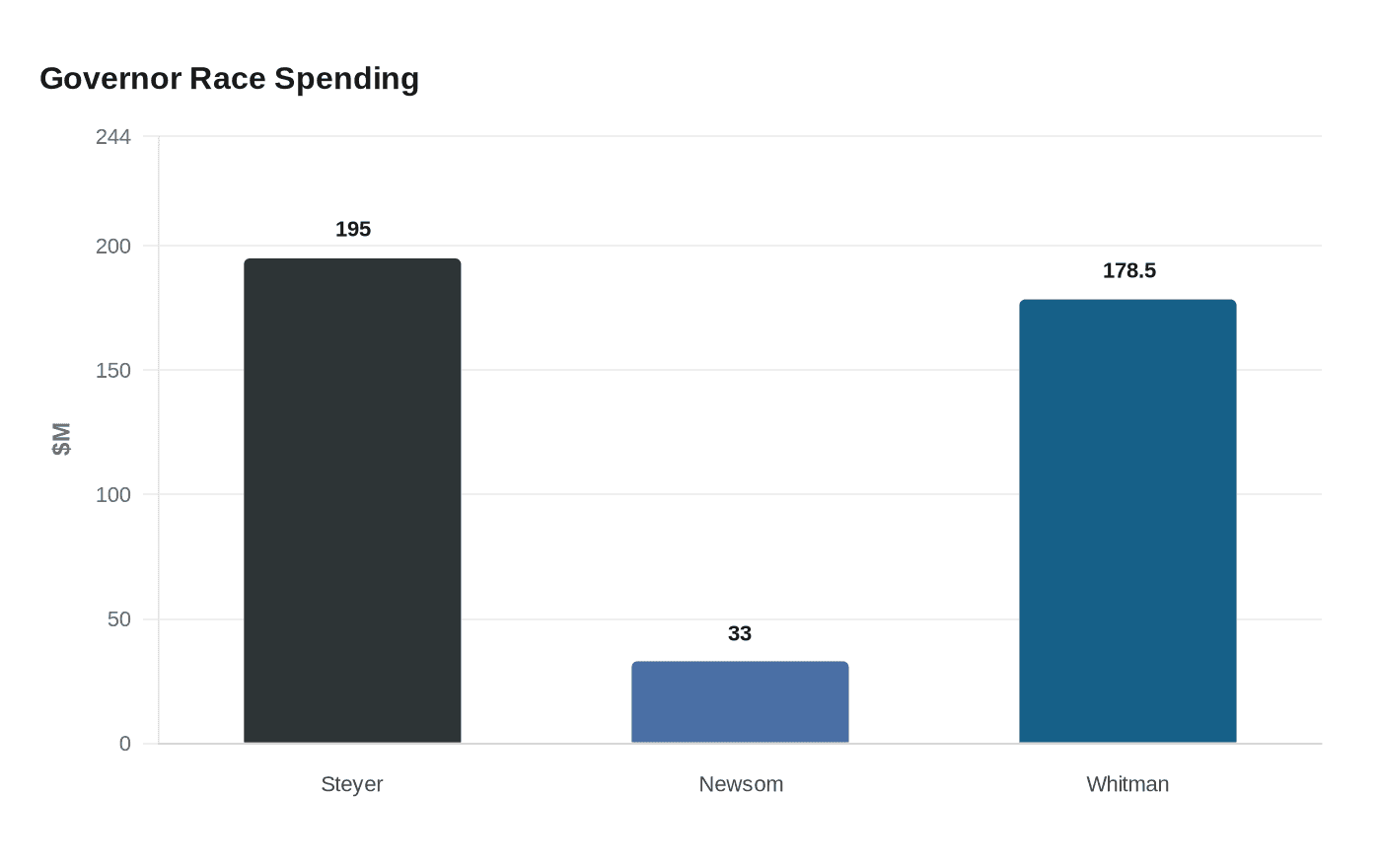
Tom Steyer has turned California’s governor’s race into the nation’s most expensive political advertising campaign, with more than $195 million spent or booked for broadcast TV, cable and radio. The former hedge fund manager and liberal activist has used that flood of spending to force his way into the top tier of the Democratic field, making his bid less a conventional primary campaign than a test of how much personal wealth can reorder a sprawling statewide contest before voters have fully settled on a choice.
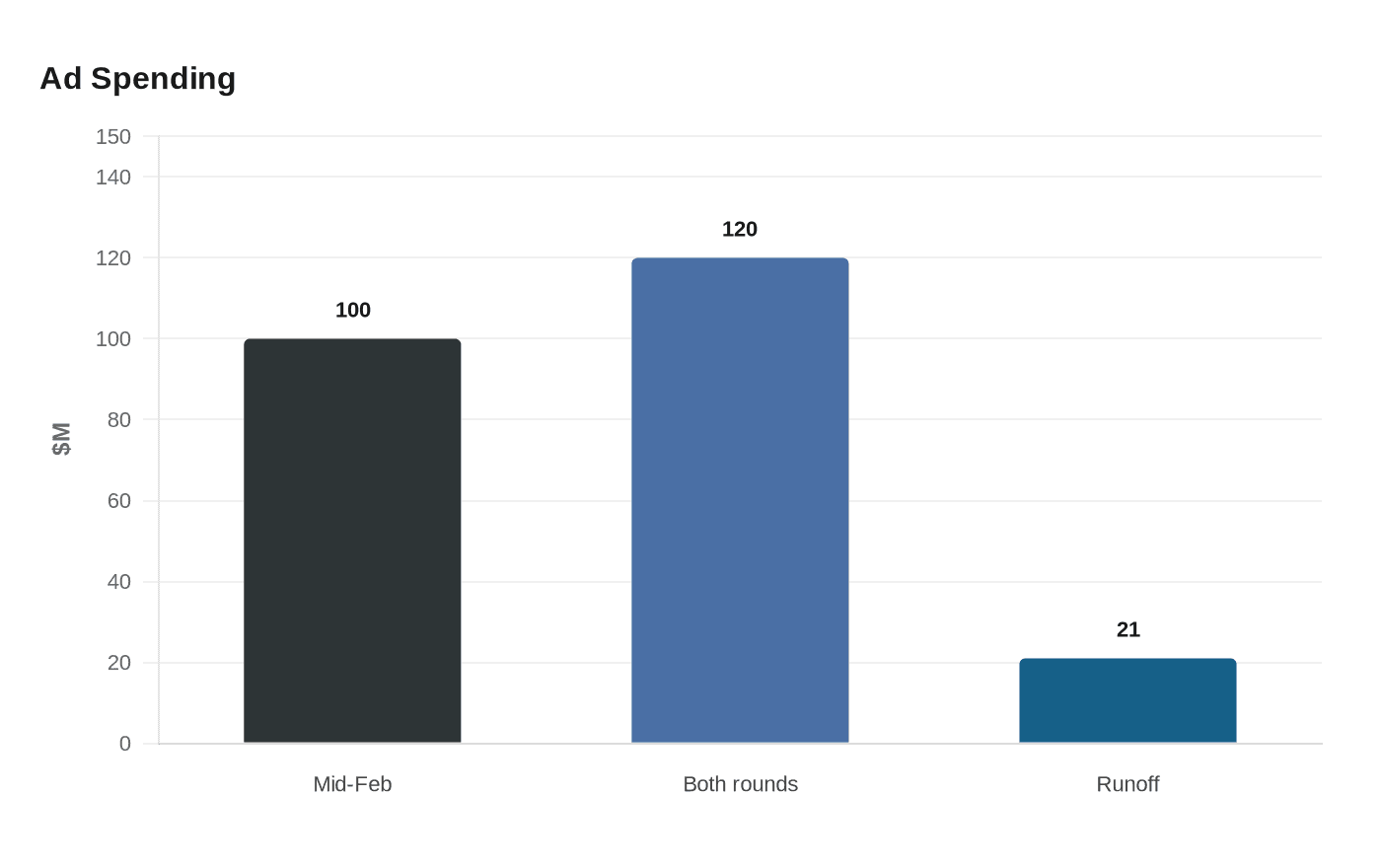
The scale is extraordinary even by California standards. Steyer’s ad total is nearly four times the roughly $33 million Gavin Newsom spent in his 2018 gubernatorial run. Earlier counts put Steyer around $120 million by mid-April and more than $132 million by late April, underscoring how quickly the total kept climbing. If he reaches the general election, his campaign could move past the 2010 benchmark set by Meg Whitman, who spent $178.5 million in a losing bid for governor and, at the time, held the record for the costliest statewide campaign in U.S. history.

Steyer’s spending also fits a larger pattern California regulators have watched for years. The California Fair Political Practices Commission has said self-funded candidates have dramatically increased the cost of running for governor since 1998, a trend that has helped make statewide races increasingly dependent on massive media buys. California’s political reform and disclosure system dates to the 1974 Political Reform Act, and the first statewide election under those rules was held in 1978. Even with those rules in place, the price of relevance has continued to rise.

The money has bought Steyer more than just airtime. After Eric Swalwell left the race, the California Teachers Association endorsed Steyer, and SEIU California also backed him. Labor leaders pointed to his support for reforming Proposition 13, closing corporate tax loopholes and pushing wealthier corporations to pay more. But the endorsements did not erase the central tension in his campaign: Steyer is asking unions and progressive voters to trust a candidate whose most visible asset is the ability to spend his own fortune at a scale few rivals can match.
The broader history of California politics suggests why the stakes are so high. The 2009-2010 election cycle raised $3.8 billion across state campaigns, a reminder that the state’s political market has long rewarded huge financial firepower. Steyer’s run now raises a sharper question: whether unlimited personal wealth is buying persuasion, or simply saturating the airwaves so completely that no serious candidate can afford to be absent.
This article was produced by Prism’s automated news system from verified source data, official records, and press releases, then run through automated quality and moderation checks before publishing. The system is built and supervised by the people who set the standards it runs under. Read our full AI policy.
Know something we missed? Have a correction or additional information?
Submit a Tip