Tom Stoppard transformed modern theatre, screenwriting and public conversation
Sir Tom Stoppard, the brilliant and restless playwright behind Rosencrantz and Guildenstern Are Dead and Arcadia, died peacefully at his home in Dorset on November 29, 2025 at age 88. His passing closes a six decade chapter in British theatre and is likely to spur revivals, public commemorations and renewed debate about the role of intellectual ambition in popular art.
Sir Tom Stoppard died peacefully at his home in Dorset on November 29, 2025 at the age of 88, leaving a body of work that reshaped stage craft, screenwriting and the cultural life of Britain and beyond. Over more than six decades he moved effortlessly between comic ingenuity and deep emotional drama, winning an Academy Award as a co screenwriter for Shakespeare in Love and multiple Tony Awards while being knighted in 1997.
Stoppard made an early and lasting mark with plays that married linguistic agility to formal invention. Rosencrantz and Guildenstern Are Dead turned two minor Shakespearean courtiers into the protagonists of a philosophical comedy about fate and meaning. Arcadia combined mathematical ideas and romantic longing across centuries, displaying a knack for structuring complex intellectual problems as theatrical propulsion. In his later work, Leopoldstadt, he turned to intimate historical reckonings and familial memory, broadening his reputation to encompass not only cerebral wit but also deep feeling and moral seriousness.
The immediate response from the theatre and arts world underscored Stoppard's institutional significance. Theatres in London’s West End and beyond planned to dim lights and hold commemorations, a ritual that recognizes his central place in the British repertory. Beyond ceremonial gestures the practical implications for the industry are clear. Programs of programmed revivals and touring productions will likely accelerate, as houses seek to respond to public interest and to reexamine his texts for new audiences. Licensing bodies and repertory companies can expect heightened demand for performance rights, while publishers and archives may see renewed attention to Stoppard scholarship and editions.
Stoppard's death also poses questions about how modern theatre markets value intellectual complexity. For decades his plays proved that audiences could be enticed by work that demanded mental engagement while still delivering theatrical pleasure. That model influenced an entire generation of writers and producers who aimed to marry box office viability with formal daring. At a time when streaming and event programming have reshaped revenue streams, Stoppard's legacy will be measured in part by whether institutions invest in productions that prioritize language and philosophical rigor over spectacle alone.
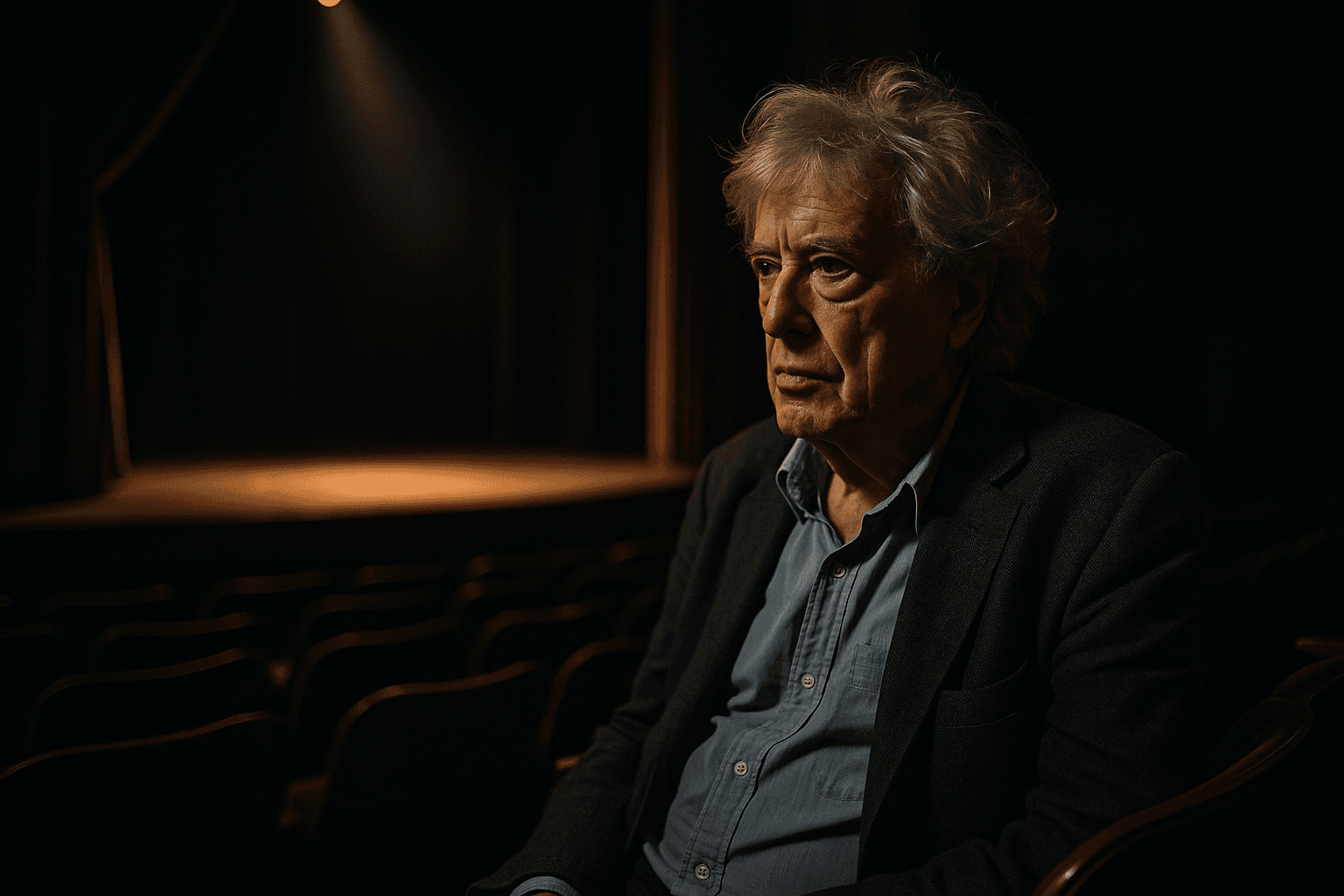
Culturally his career traced a wider trajectory in British public life, from postwar confidence in high culture to contemporary debates about memory, identity and the ethics of representation. Plays such as Leopoldstadt prompted public discussion about Jewish history across Europe and the responsibility of theatre to bear witness to trauma. Stoppard's facility with ideas made the stage a place for civic reflection, and his passing will likely rekindle conversations about theatre as a forum for public intelligence.
His death tightened the line between era making dramatists and the present generation. As memorials unfold and theatres revisit his plays, the immediate aftermath will be practical and performative. In the longer term his influence will live in the style of plays that dare to intertwine wit and earnestness, and in the institutions that choose to keep that tradition alive.
This article was produced by Prism’s automated news system from verified source data, official records, and press releases, then run through automated quality and moderation checks before publishing. The system is built and supervised by the people who set the standards it runs under. Read our full AI policy.
Did this article answer your question?