Top Must-See Spots and Practical Tips for Visiting Golden Gate Park
Golden Gate Park's roughly 1,000 acres anchor San Francisco's west side — explore the de Young and California Academy, then consider a contrasting mountain escape to Evergreen, Colorado, for elk, lakes and live music.
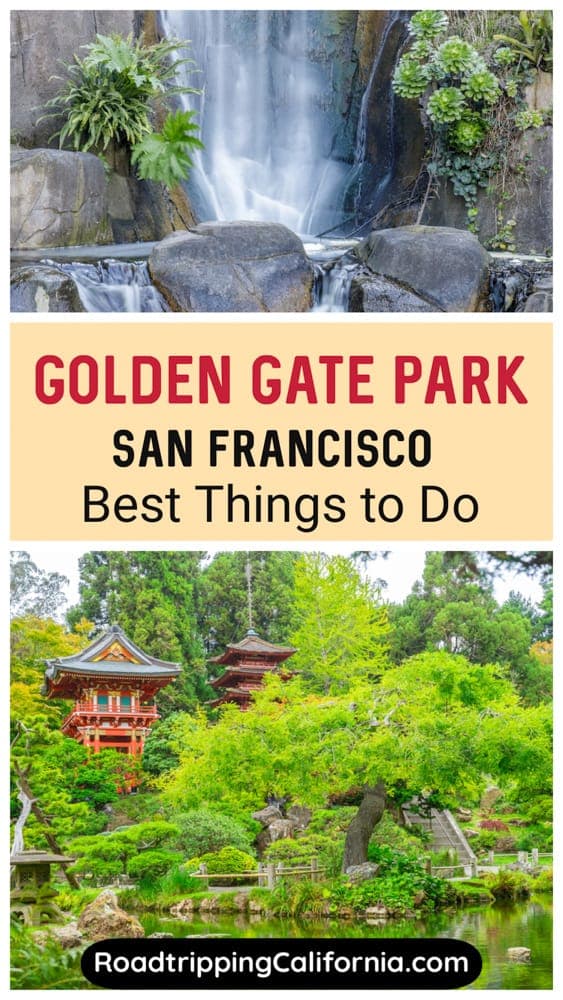
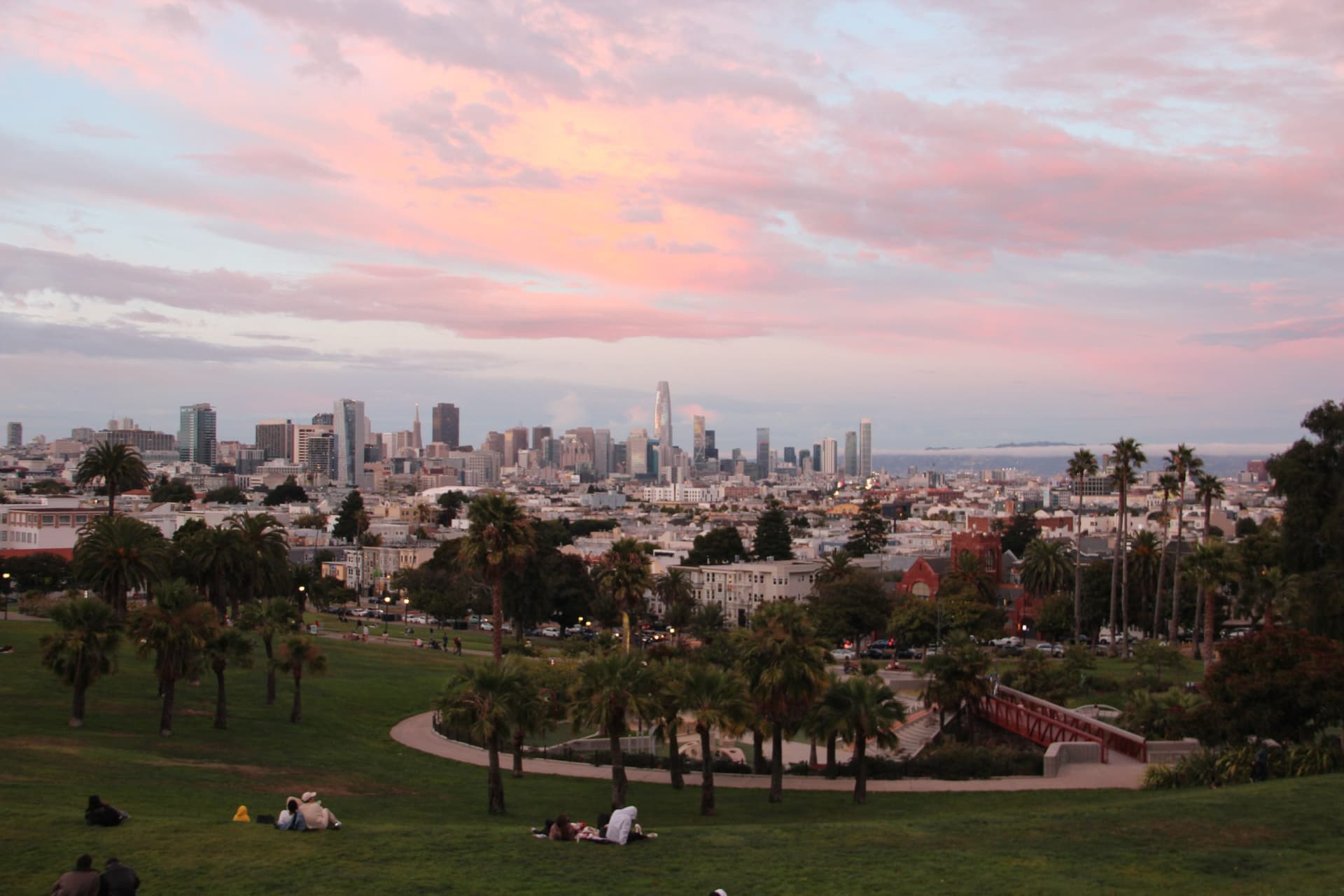
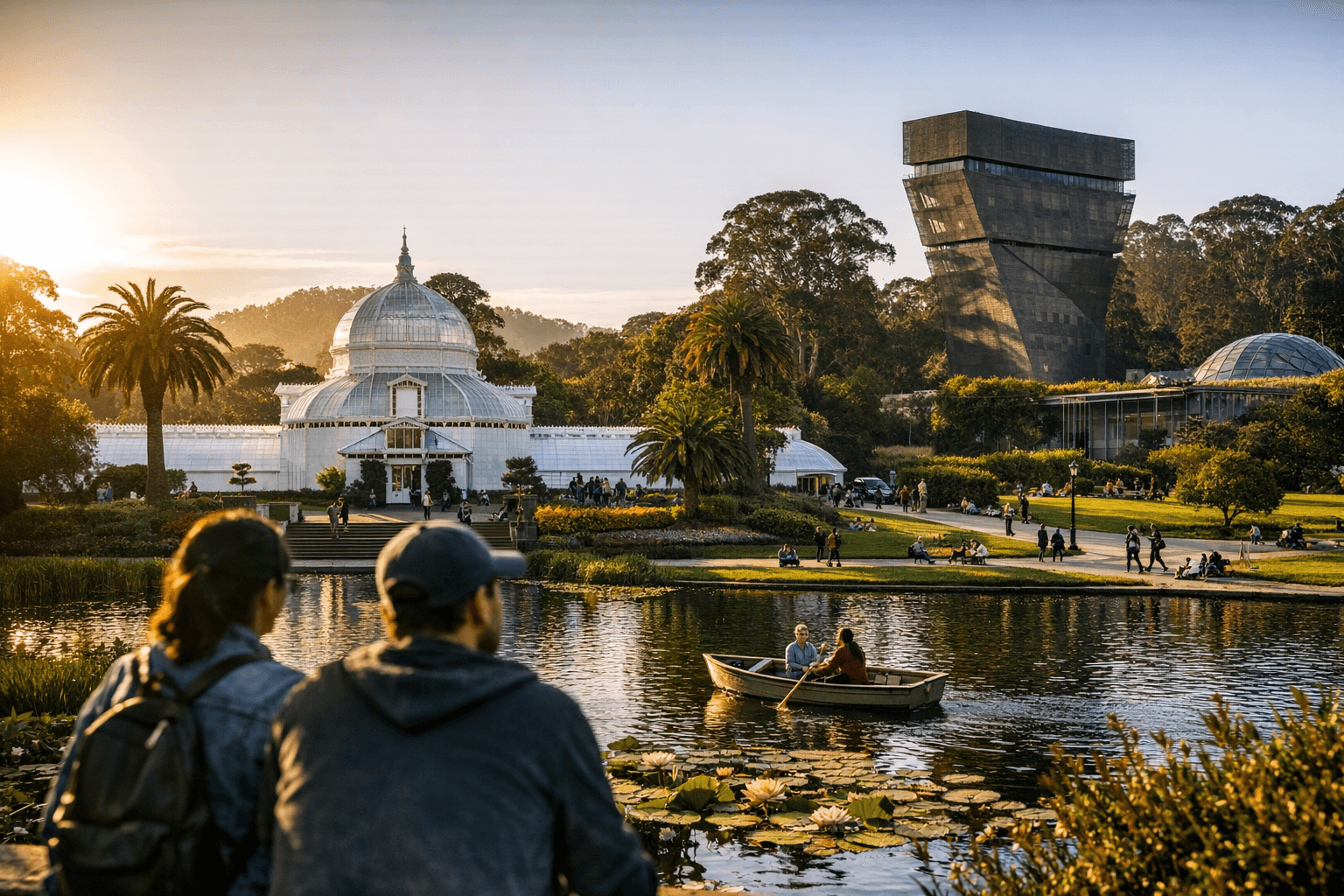
Golden Gate Park still matters as San Francisco’s largest urban green space: roughly 1,000 acres stretching west from the Haight‑Ashbury to Ocean Beach. That scale shapes how neighbors use the park for daily exercise, respite and free cultural programming, and it also concentrates several major institutions — the de Young Museum and the California Academy are housed inside the park — making it a central node for arts, science and community health on the west side.
Why acreage and institutions matter for public health: a park of this size anchors neighborhood access to trees, open fields and programming that support mental and physical well-being. The park’s footprint — from the Haight to Ocean Beach — means people across multiple neighborhoods can reach large swaths of green without leaving the city, and cultural institutions on-site expand options for hands-on learning and family visits that complement outdoor activity.
- Start with priorities. With roughly 1,000 acres to cover, choose the de Young Museum or the California Academy as anchor stops for a half‑day; they provide indoor, weatherproof programming and restrooms for families.
- Pace your route. The park’s long east–west orientation means walking end to end is ambitious; plan for concentrated visits around specific features rather than attempting the whole park in one outing.
- Think equity and access. The park serves diverse communities from the Haight to Ocean Beach; seek programming or free days at park institutions to take advantage of low‑ or no‑cost cultural access for children and seniors. The park’s institutions are a civic resource that function as more than tourist draws.
Practical tips for visiting Golden Gate Park
Safety, accessibility and community impact Golden Gate Park’s size and public role raise operational and equity questions that matter to readers: who maintains paths and restrooms, how programming reaches lower-income families, and how transit and pedestrian access are prioritized. The presence of major museums in the park — and the park’s physical reach into multiple neighborhoods — argues for continued funding and policy attention so those benefits don’t become concentrated for only some users.
A mountain counterpart: evergreen, colorado — what Bay Area visitors should know If you’re thinking beyond the city and craving a high-country contrast to Golden Gate Park’s urban expanse, Evergreen, Colorado, is a well-documented small‑town alternative with its own mix of nature, culture and seasonal recreation. Downtown Evergreen is described as the “heart of town,” where a raised Western‑style wooden boardwalk leads to local shops, coffeehouses and spas — and where visitors can absorb local history at the Hiwan Homestead Museum.
Evergreen’s outdoor highlights are explicit and varied. Elk Meadow Park is singled out for “majestic elk grazing,” making wildlife viewing an easy, family‑friendly activity. Alderfer Three Sisters Park (referred to in some materials as Three Sisters/Alderfer) offers more rugged trails. For lake activities, Evergreen Lake appears across the material as a hub: it’s recommended for outdoor ice skating, and elsewhere the lake is associated with birdlife — the Evergreen Nature Center even offers an “Evergreen lake bird check-list” you can download to guide sightings.
Fishing and water recreation have local specifics: O'Fallon Park is noted as “a good spot for year-round fly fishing” because it “rarely freezes for long periods of time,” while Evergreen Lake is mentioned for ice fishing. For wildlife fans, the promotional material says bald eagles nest “at the lake,” and mountain-goat sightings may be possible if you “venture up the highest paved road in the continental United States, Mount Blue Sky Scenic Byway,” which climbs toward the summit of “14,000‑plus‑foot Mount Blue Sky.” The source frames that drive as an opportunity to “bag a Colorado fourteener” with a short additional hike.
Arts, culture and events that sustain local economies Evergreen supports a surprisingly full cultural life for its size. The community’s performing arts groups are named specifically: Evergreen Players, Venue Theater Company, Ovation West Performing Arts and the Evergreen Children’s Chorale. Visitors can “catch a live theater performance or live music in town,” and the material notes that the iconic Red Rocks Amphitheatre is “just 20 minutes down the road,” with many Red Rocks attendees choosing to stay or spend an afternoon in Evergreen.
Seasonal events and community rituals matter to local identity: the Downtown Evergreen Holiday Walk — where the street is closed to traffic for pedestrians — is flagged as a December highlight, while the Annual Evergreen Pro Rodeo & Parade brings athletes and spectacle to town. Those events are not just tourist draws; they circulate visitor dollars through restaurants, galleries and small businesses that promote “award‑winning, locally crafted wines and beers” and a cluster of artists whose affordable jewelry, paintings and sculpture are part of the local retail mix.
- Download the Evergreen lake bird check‑list from the Evergreen Nature Center before you arrive and plan beginner‑friendly wildlife outings at Elk Meadow Park.
- If your trip mixes arts and self‑care, the downtown spa scene offers manicures, pedicures, facials and massages, while local studios host ceramics and painting classes for visitors who want hands‑on time.
- Time your visit around events: December brings the Holiday Walk; check schedules for the Annual Evergreen Pro Rodeo & Parade and Red Rocks concert calendars if you’re planning overnight stays.
Practical tips for visiting Evergreen, Colorado
Public health, wildlife and safe recreation across landscapes Both places — a dense urban park in San Francisco and a small mountain town like Evergreen — raise similar public‑health and equity questions despite very different geographies. Golden Gate Park delivers concentrated recreation and cultural services that require ongoing investment to remain accessible; Evergreen’s economic resilience depends on balancing tourism, wildlife protection (sharing roads with elk is part of local life) and year‑round services for residents and visitors. The promotional material for Evergreen even sums up the lure plainly: “Once you get a taste, you'll never want to leave!”
A final note for visitors and policymakers Whether you’re planning an afternoon in Golden Gate Park’s 1,000‑acre expanse or a weekend chasing elk and ice skating at Evergreen Lake, these public spaces are more than recreation: they are engines of community health, education and local economies. That dual role calls for thoughtful stewardship — from sustained funding for park maintenance and museum access in San Francisco to wildlife‑aware visitor management and event support in mountain towns. Preserving and expanding equitable access to these green places should be a priority for local leaders and a reason for all of us to value the public commons they represent.
Know something we missed? Have a correction or additional information?
Submit a Tip